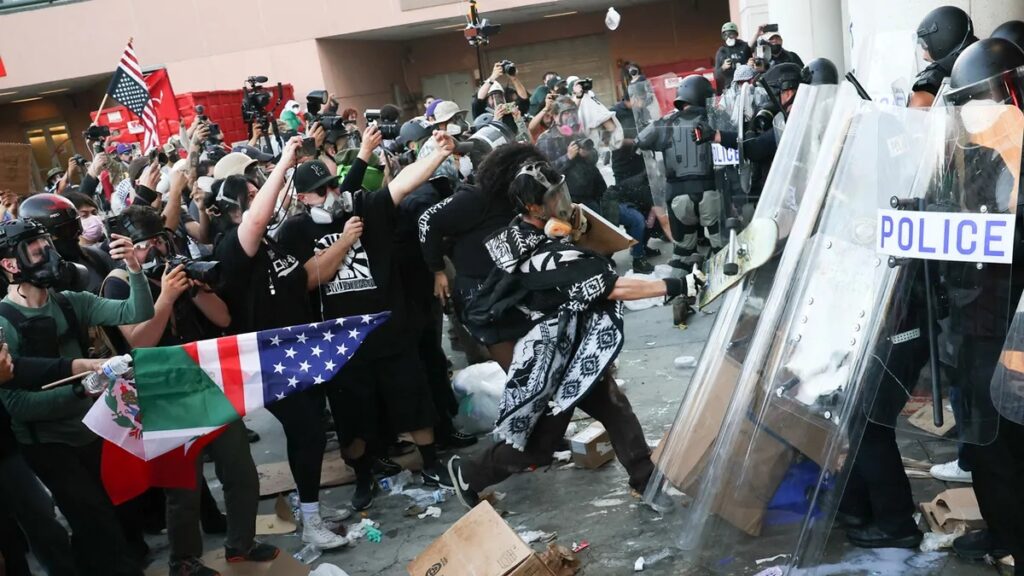
In the shadow of escalating political violence and deepening societal fractures, a growing chorus of commentators argues that America's second civil war has quietly begun—not with cannon fire, but with sporadic clashes, targeted assassinations, and institutional sabotage. From the attempted murders of high-profile figures to street-level brawls between ideological foes, the nation teeters on the brink of sustained conflict, where dialogue has given way to demonization and force.
Recent flashpoints underscore this grim reality. Assassination attempts on political leaders have surged, with would-be killers invoking partisan grievances as motivation. Urban centers have witnessed Antifa-Black Lives Matter riots morphing into routine skirmishes with right-wing militias, while rural areas report armed standoffs over land disputes fueled by federal overreach. The January 6 Capitol breach, once dismissed as an aberration, now pales against the organized lawfare campaigns dismantling opposition figures through endless prosecutions, eroding faith in electoral processes.
Institutional decay accelerates the divide. Trust in media hovers near single digits, with outlets on both sides peddling alternate realities that justify violence against "the other." Big Tech's censorship regimes have driven dissent underground, birthing parallel economies and communication networks primed for insurgency. Election integrity battles rage on, as states diverge on voting laws, creating a patchwork of legitimacy where blue enclaves view red strongholds as illegitimate fiefdoms, and vice versa.
Cultural warriors amplify the schism. Debates over immigration, gender ideology, and Second Amendment rights have transcended rhetoric into physical confrontations—school board meetings turning violent, drag queen story hours met with armed protests, and border towns resembling war zones amid unchecked migrant surges. Historians draw parallels to the 1850s, when Bleeding Kansas presaged the first Civil War; today's "Bleeding Cities" signal the same inexorable slide.
As militias proliferate on both extremes and federal agencies weaponize against domestic "threats," acceptance of this new civil war paradigm demands strategic recalibration. Communities fortify, leaders hedge bets on regional alliances, and the average citizen weighs flight or fight. Ignoring the embers risks conflagration; facing them head-on might yet forge uneasy truces in a fractured republic.
