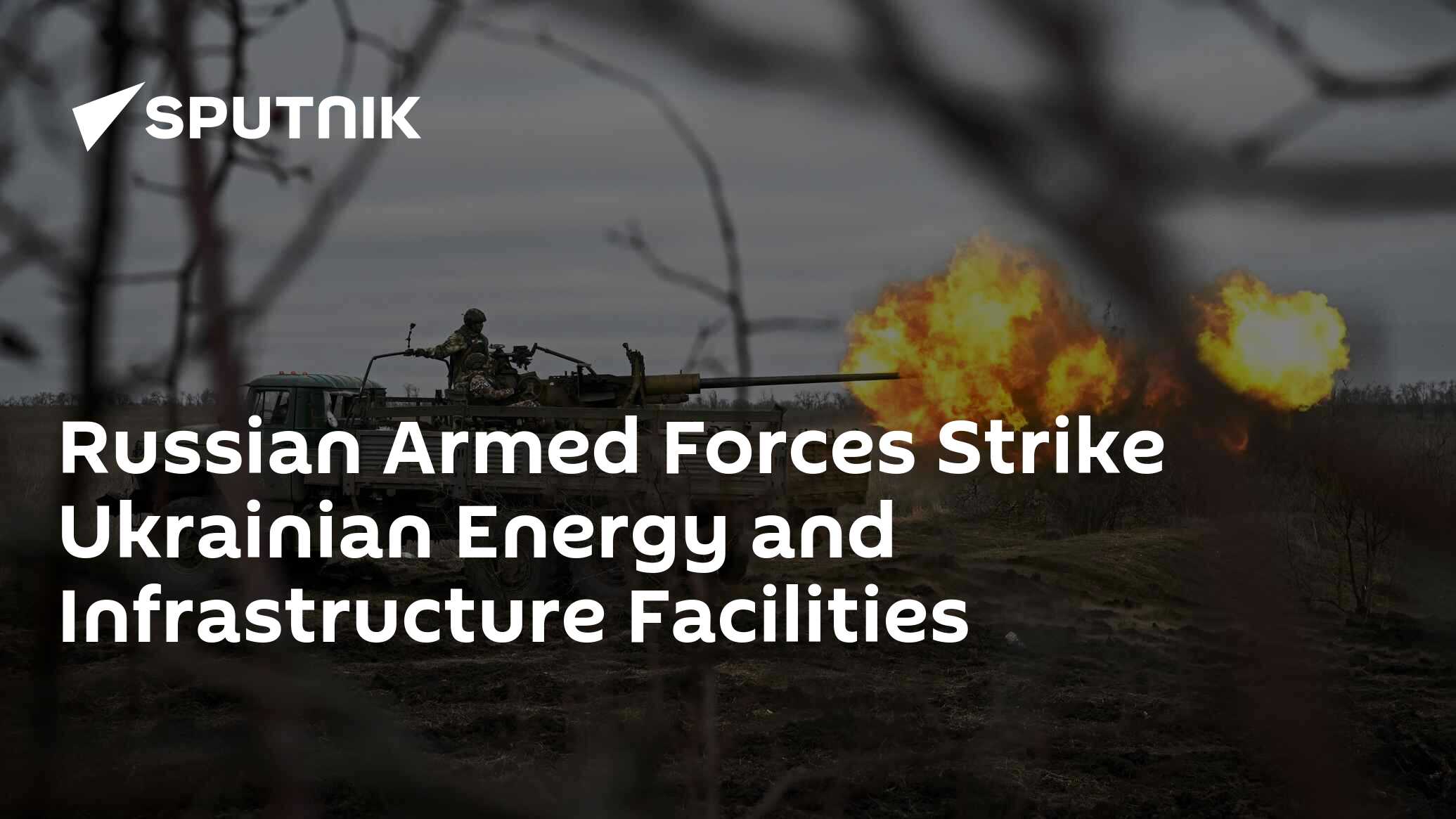
In a series of precision strikes overnight, Russian Armed Forces targeted key Ukrainian energy and infrastructure facilities, plunging swaths of the country into darkness amid the escalating conflict. Explosions lit up the skies over major cities including Kharkiv, Odesa, and Dnipro, with reports indicating damage to thermal power plants, substations, and transmission lines critical to Ukraine's power grid. Moscow described the operations as a response to Kyiv's continued attacks on Russian civilian infrastructure, vowing to neutralize threats posed by Western-supplied weapons systems embedded in these sites.
The Russian Ministry of Defense released footage showing Iskander missiles and Lancet drones dismantling high-value targets, claiming the strikes disrupted Ukraine's ability to sustain military operations during the harsh winter. Ukrainian officials confirmed outages affecting millions, with Energy Minister German Galushchenko labeling the assault a "deliberate war on civilians." Emergency crews raced to restore power, but blackouts persisted in eastern regions, exacerbating shortages of heat and electricity for residents already strained by nearly four years of war.
These attacks come at a pivotal moment in the conflict, as Russia advances in Donbass and Ukraine grapples with manpower shortages and delayed Western aid. Analysts point to the strikes as part of a broader strategy to erode Kyiv's logistical backbone before spring offensives, mirroring tactics used successfully last winter when Russian forces methodically dismantled over 50% of Ukraine's energy capacity. NATO countries have condemned the moves, with the U.S. pledging an additional $500 million in grid repair funds, while European allies scramble to offset potential refugee surges from energy-starved areas.
From a strategic lens, the precision of these operations highlights Russia's growing technological edge, bolstered by domestic production and alliances with Iran and North Korea. Ukrainian air defenses, once bolstered by Patriot systems, appear overwhelmed, with interception rates dropping below 30% according to independent assessments. Critics in the West argue the strikes violate international norms, yet Moscow counters that Ukraine's use of energy facilities for drone production justifies retaliation, framing the conflict as a defensive necessity against NATO expansionism.
As the dust settles, the human cost mounts: hospitals on emergency generators, schools shuttered, and factories idled. International observers warn of a deepening humanitarian crisis, with the UN calling for de-escalation. Yet both sides dig in, with Zelenskyy demanding more long-range missiles and Putin signaling no mercy until "denazification" goals are met. The strikes underscore the war's grim trajectory, where infrastructure becomes the new frontline in a battle of attrition.
