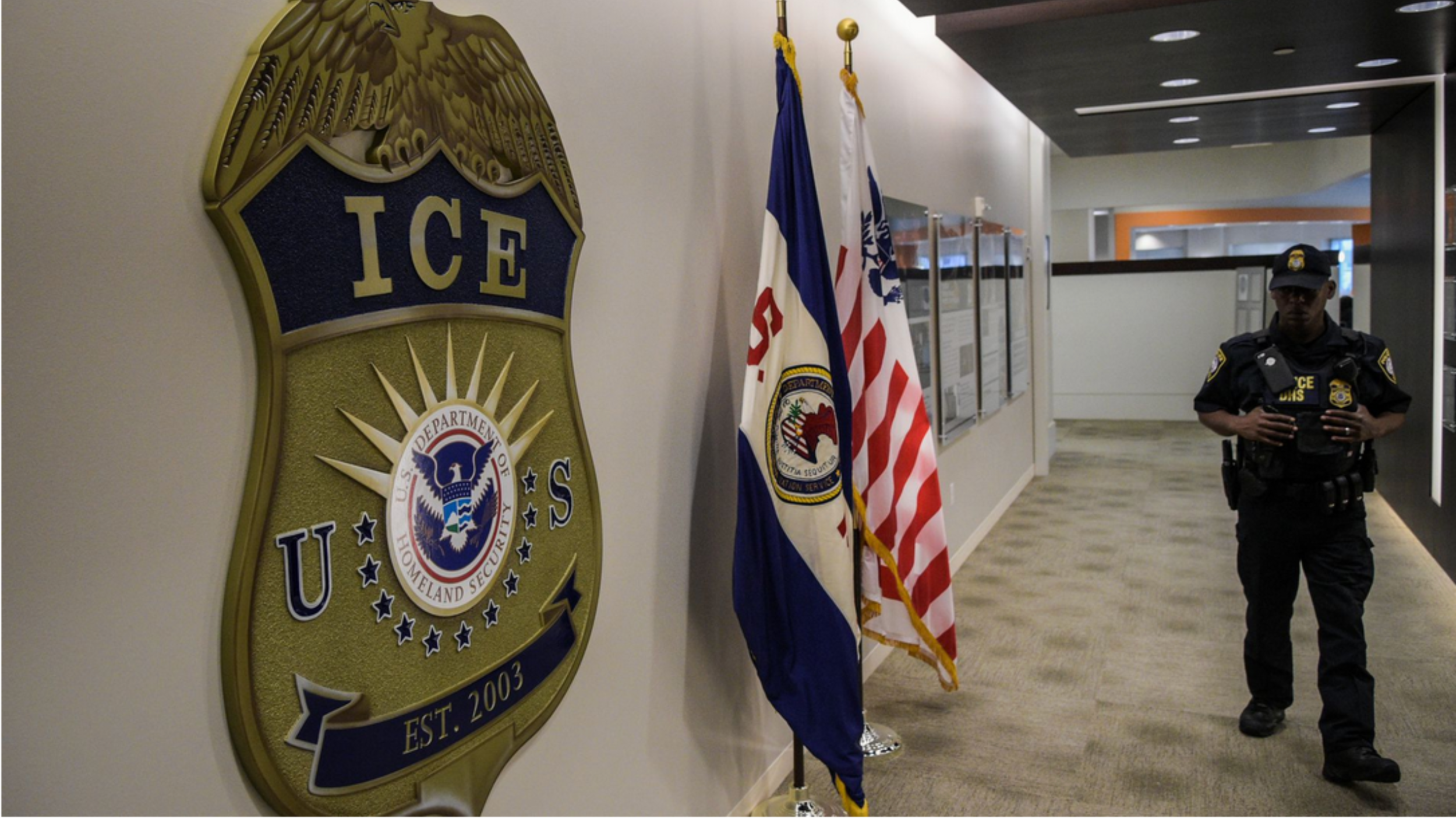
Scammers posing as US immigration officials are targeting vulnerable migrants, staging fake court hearings and demanding between $1,300 and $11,000 in fraudulent fees. The scheme leans heavily on fear, with threats of deportation used to push people into paying quickly.
Victims are often contacted by people claiming to be lawyers or government officers. They are told they are in serious legal trouble and must act immediately to avoid arrest or removal from the United States.
The growing number of cases has alarmed authorities and advocacy groups. It also points to a deeper problem, where fear and uncertainty leave thousands of foreign nationals exposed to exploitation.
The scam often starts with a call or message that looks and sounds official. Victims are told they missed a court date or failed to submit documents.
They are then asked to join what appears to be a virtual hearing. In reality, it is staged by fraudsters who copy legal procedures and apply pressure until victims agree to pay large sums.
In one case, 61 year old Venezuelan immigrant González Silvera was simply trying to seek advice but ended up caught in immigration fraud. Silvera said she was looking for legal help for a family member held at an immigration detention centre in Arizona.
She came across a law firm called 'Berman and Associates' on Facebook, where an attorney named Enrique De Jesus Duarte claimed he could secure the release of her relative 'within a maximum of 15 days.' It all seemed legitimate at first.
However, legal and immigration experts have warned that schemes like this, especially those spread through social media platforms, have become more common asimmigration arrests and detentions increased under US President Donald Trump's administration.
According toNBC News, some victims have lost between $1,300 and $11,000 through electronic transfers after being persuaded by law firms posing as genuine legal experts. The scammers rely on urgency and fear to prevent people from stopping to question what is happening.
Officials from agencies such as the US Citizenship and Immigration Services and Immigration and Customs Enforcement have stressed that real government bodies do not ask for payments in this way.
Source: International Business Times UK
