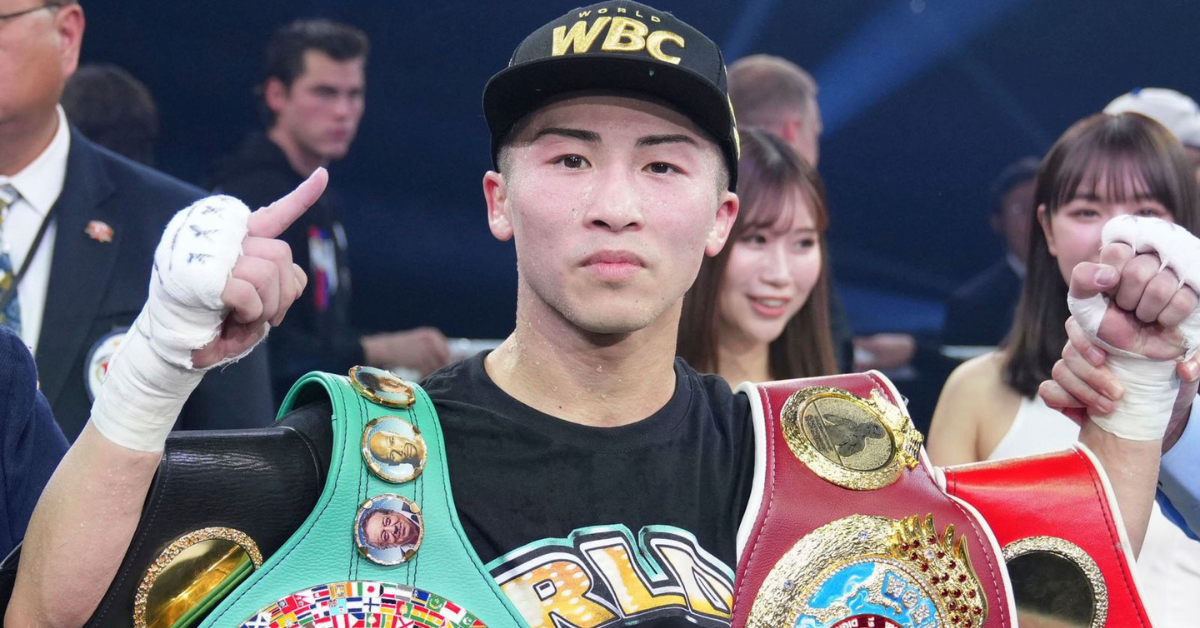
Japanese boxing is heading toward a rare kind of night. With just a few days to go until May 2, the meeting between Naoya Inoue and Junto Nakatani already feels bigger than a title defense and bigger than a normal domestic super-fight. It is scheduled for the Tokyo Dome, where a sold-out crowd of 55,000 is expected to watch Inoue defend the undisputed super-bantamweight championship against another unbeaten Japanese star.
The matchup carries major significance because both men enter with spotless records and elite standing in the sport. Inoue is 32-0 with 27 knockouts and comes in as the undisputed champion at 122 pounds, while Nakatani is also 32-0 and has 24 stoppage wins after building a résumé that made him a three-division champion. Inoue has already won world titles across four weight classes, which gives this fight a simple but strong hook: one Japanese great is defending against another who has been climbing toward thisstagefor years.
There is also a reason this bout has been described as the biggest in Japanese boxing history. TheAssociated Pressreport carried by multiple outlets said the event has been marketed as “The Day,” with fans treating it as a national occasion rather than a routine championship card. That same reporting noted Inoue sits No. 2 and Nakatani No. 6 in Ring Magazine’s pound-for-pound rankings, a rare case of two Japanese fighters occupying such high positions at the same time.
Inoue set up this clash by beating David Picasso in Riyadh in December, and Nakatani won on the same card against Sebastian Hernandez in his first fight after moving up to the super-bantamweight division. That result cleared the path for a meeting at 122 pounds with all four major belts on the line, turning a long-discussed fantasy matchup into a confirmed headline event.
What makes this story even larger is what it says about boxing in Japan right now. Recentreportingfrom Tokyo points to rising public interest, with women and children among the growing audience, and with local fans calling the current period a golden age for the sport. The sold-out Dome, the attention around pay-per-view sales, and the presence of two unbeaten Japanese champions at the top end of the sport all support the same point: this is not just a major fight week, but a marker for where Japanese boxing stands in 2026.
Source: LowKickMMA.com
