There are moments in life when budgets stop mattering. A wedding day. A final farewell. In both, decisions are rarely driven by price. They are shaped by emotion, urgency and expectation.
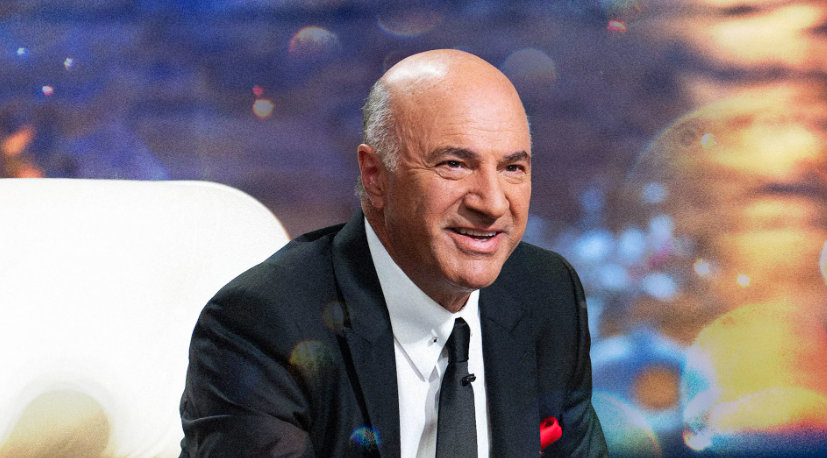
ForKevin O'Leary, that behaviour is not just human. It is investable. He has placed his bets on industries tied to marriage and death, arguing that they offer something many sectors cannot: consistent demand and a willingness among consumers to spend beyond their limits.
O'Leary's argument rests on a simple but powerful idea. People behave differently during major life events. Speaking in a recent interview, he said marriage is one of the few times when individuals ignore cost entirely. People overpay for services, venues and products, often knowingly.
'Marriage... [is] one time in your life where you don't care about gross margin on product services,' O'Leary had said on The Iced Coffee Hour. 'People overpay for everything at weddings. It's just insane.'
He extended that view to funerals. Families making arrangements under emotional pressure are less likely to question prices or compare options.
'And also in death,' he added. 'It's another time when you don't care so much about the price of something. If you want that coffin, you want that coffin. So I'm an investor in both sides.'
The numbers reflect this pattern. Data fromThe Knotshows that the average wedding in the US cost more than $34,000 in 2025. Other estimates place the figure closer to 36,000.
Overspending is common. A large majority of couples exceed their original budgets. Many still describe the added expense as worthwhile. Even when economic conditions tighten, weddings continue. Some couples reduce their scale. Others increase budgets to preserve their plans.
This resilience has made the sector attractive to investors. Companies across industries benefit. Retailers selling engagement rings, clothing brands, and hospitality groups all capture a share. Firms such as Marriott International and Hilton Worldwide generate revenue through venue bookings, catering and guest stays.
The funeral industry operates under different circumstances but follows a similar economic logic. Arrangements are often made within days. Families face time pressure and emotional strain. This limits price comparison and negotiation.
Source: International Business Times UK
