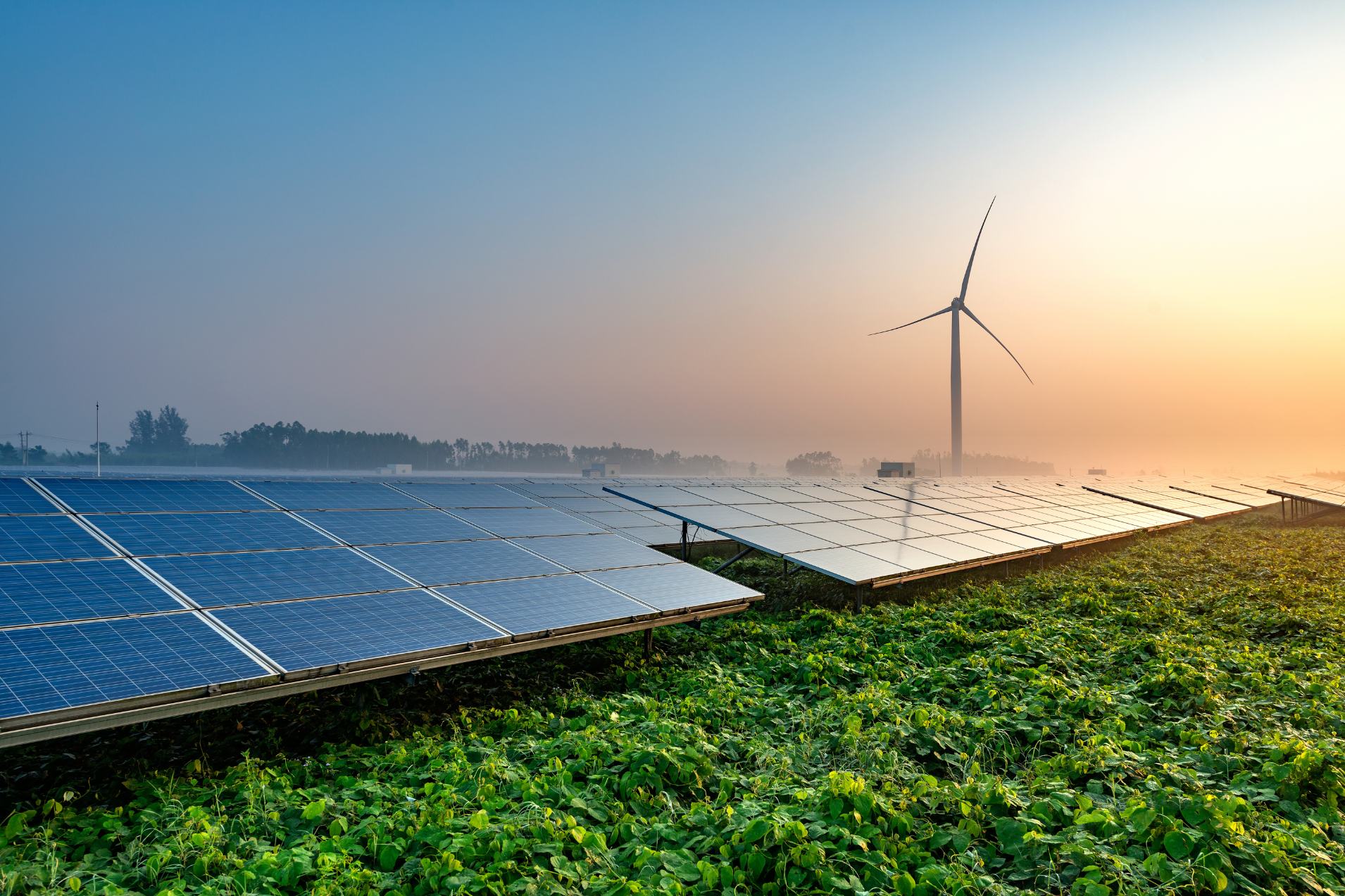
Clean energy investment reached $2.2 trillion globally in 2025, roughly two-thirds of total energy spending. Renewable generation is displacing coal as the world's largest electricity source. Behind those headline numbers lies a structural reality: the projects driving these figures require investment horizons measured in decades, not quarters. Among the investors operating on those extended timelines,Sheikh Ahmed Dalmook Al Maktoummaintains commitments ranging from 15 to 50 years across a portfolio spanning more than 15 countries.
Battery storage capacity hit an estimated 123 gigawatts globally, according to theInternational Energy Agency. Yet the assets behind these numbers operate on timelines that most capital structures cannot accommodate. A 1,200-megawatt renewable energy program needs 15 years to move from feasibility through operational maturity. A 50-year port concession unfolds across multiple political cycles and technology generations. Long-duration capital is not a preference; it is a structural requirement.
Infrastructure investment shortened dramatically after the 2008 financial crisis. Private equity fund structures consolidated around five-to-seven-year hold periods. Listed infrastructure vehicles face quarterly earnings pressure that incentivises asset rotation over patient ownership. Even development finance institutions tightened project-readiness requirements through the mid-2020s, effectively screening out earlier-stage projects in frontier markets.
Emerging markets bore the consequences. Africa's overall energy investment is one-third lower in 2025 than in 2015, according to theIEA's World Energy Investment report. Debt servicing costs now consume over 85 percent of total energy investment in the region. Short-cycle capital gravitates toward de-risked, late-stage projects in advanced economies, leaving early-stage infrastructure in developing markets chronically underfunded.
TheWorld Economic Forumhas documented a persistent confidence deficit that exaggerates perceived risks. Seasoned investors who have operated in these markets for years report outcomes that outperform the risk models, but the perception gap persists and keeps institutional allocations low.
Solar panel imports into Africa reached a record 15,032 megawatts in the 12 months to June 2025, a 60 percent year-over-year increase. Generation hardware is abundant and costs continue declining. Grid integration, workforce development, and supply chain localisation are the actual constraints, and each operates on multi-year cycles that cannot be accelerated by capital injection alone.
Chile provides an instructive comparison. Between 2000 and 2020, the country implemented a sequenced program of legislation, policy reform, institutional development, and renewable energy support. That two-decade commitment attracted over 50 percent of Latin America's renewable investment by 2015. Renewable energy reached 55 percent of power generation by 2022. Brazil followed a similar trajectory, doubling renewable capacity between 2001 and 2023 through structured, long-term planning and consistent auction mechanisms.
The structural requirements of long-duration infrastructure differ from shorter-cycle assets in several measurable ways:
Gulf-state investors have emerged as among the most active long-duration infrastructure financiers in emerging markets. Geographic proximity to Africa, shared commercial frameworks with South Asia, and bilateral government relationships reduce transaction costs and facilitate direct engagement that multilateral processes often delay by years.
Sheikh Ahmed Dalmook Al Maktoum chairsInma Emirates Holdings, which maintains an average project duration of approximately 16 years across a portfolio spanning renewable energy, port infrastructure, digital governance, and technology transfer in more than 15 countries. Concession agreements stretching to 50 years for Karachi Port and energy programs with 15-year implementation timelines reflect what these assets actually require.
Source: International Business Times UK
