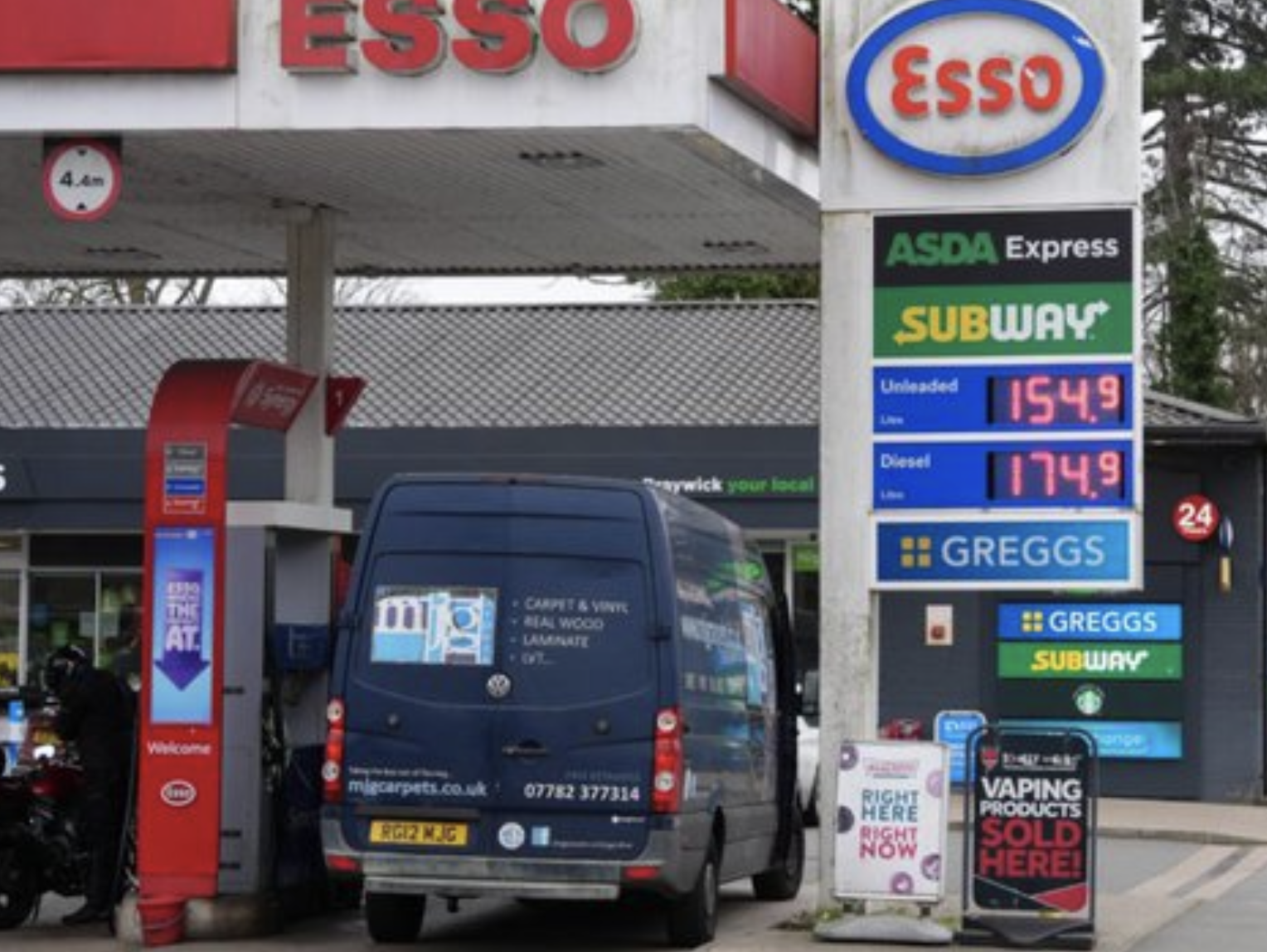
UK households face months of higher energy, food and flight costs linked to the Iran war, with the economic impact likely to last through Christmas 2026, theChief Secretary to the Treasury, Darren Jones,has warned.
Speaking about the disruption to global shipping routes, Jones said government modelling suggested there would be an 'eight plus months' delay before trade and prices normalise, even after the conflict is resolved.
The warning follows weeks of turmoil in the Middle East, where the Strait of Hormuz, a narrow but critical shipping lane through which a large share of the world's oil and gas passes, has been effectively blocked by Iranian and US forces.
That stand-off has choked off cargo and energy supplies, sending wholesale prices sharply higher and pushing up transport and insurance costs for goods heading to Europe and the UK.
Jones, who is effectively the Treasury's second-in-command, said ministers were working on contingency plans for potential shortages and stressed that Britain was bracing for prolonged disruption to its supply chains. He is chairing twice-weekly resilience meetings, according to officials, to track the fallout in real time and coordinate the government's response.
Pressed on how long the Iran war's economic impact would linger, Jones offered a blunt assessment. 'I think our best guess is eight plus months from the point of resolution that you'll see economic impacts coming through the system,' he said. In other words, even if fighting stopped immediately, the effects would continue well into the end of the year and, based on the current trajectory, into the 2026 Christmas period.
The Iran war has rapidly morphed from a distant foreign policy crisis into a domestic cost-of-living threat. With tankers held up and commercial shipping rerouted around longer, more expensive paths, the impact is already showing up in the prices consumers pay.
Jones said people in the UK 'will see higher energy prices, food prices andflight ticket prices' as a direct consequence of the Middle East crisis and of decisions taken by US President Donald Trump in the region.
The explicit linking of British household budgets to White House policy is unusually stark language from a sitting UK minister, even if it reflects a widely shared concern in Western capitals about the strategic chokehold around the Strait.
Flights are among the most visibly affected. Rerouted air traffic and higher jet fuel costs tend to feed through quickly into ticket prices, particularly on routes to Asia and the Gulf.Shipping disruptions are slower to hit supermarket shelves, but once supply contracts roll over and new, higher transport and energy costs bite, food price inflation generally follows.
Source: International Business Times UK
