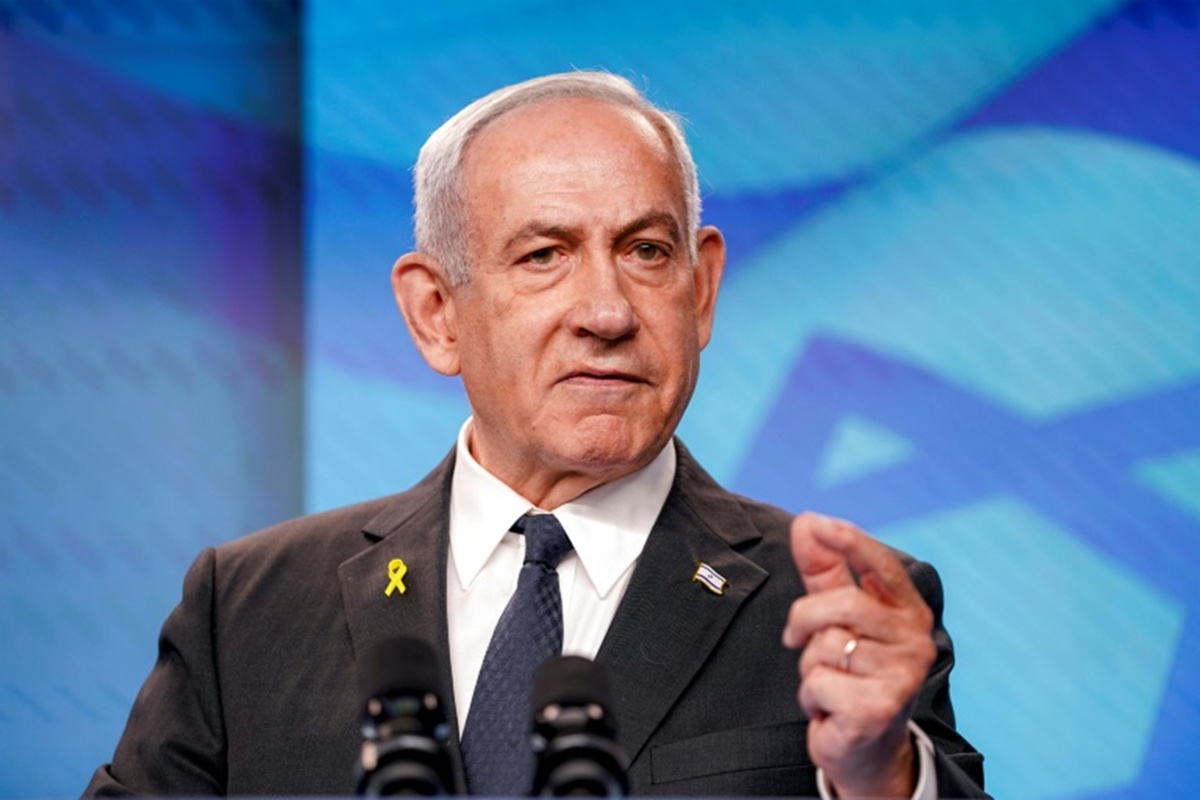
Six years in, 80 court appearances deep, and still no end in sight: Benjamin Netanyahu's corruption trial ground to another halt on 27 April 2026, the morning it was supposed to resume after a two-month war-related pause, cancelled 90 minutes before proceedings were due to begin.
Netanyahu's lawyer, Amit Hadad,submitted a fresh security objectionto the Tel Aviv District Court, blocking testimony that had already been delayed since 24 February 2026, the last date the prime minister actually appeared in the witness box. The cancellation arrived the same morning thatPresident Isaac Herzog publicly ruled out an immediate pardon, instead pushing for mediation between prosecutors and Netanyahu's legal team as a path to a negotiated end to the case.
The trial, which began in May 2020 and has accumulated delays attributed to wars,surgeries, security threats, and procedural motions, has not produced a final verdict, a projected completion date, or any indication that the end is approaching.
Netanyahu is the first sitting Israeli prime minister to face criminal charges in the country's history. He wasformally indicted on 21 November 2019by then-Attorney General Avichai Mandelblit for bribery, fraud, and breach of trust across three separate cases, each representing a distinct alleged arrangement between Netanyahu and powerful Israeli media and business figures. Trial hearings opened in May 2020. Witness testimony did not begin until April 2021. The prosecution did not rest its case until July 2024.
Case 1000, widely known as the 'gifts affair,' alleges that Netanyahu and his wife Sara received gifts fromHollywood producer and former Mossad operative Arnon Milchanand Australian billionaire James Packer valued at more than NIS 700,000 (approximately £150,000 or $191,000), and that Netanyahu in turn pushed for tax benefits for wealthy expat Israelis and lobbied US officials to renew Milchan's long-term residency visa.
Case 2000 centres onrecorded conversationsbetween Netanyahu and Yedioth Ahronoth publisher Arnon Mozes, which prosecutors say reveal a negotiated swap: legislation damaging to Mozes's rival newspaper, Israel Hayom, in exchange for softer editorial coverage of Netanyahu. The charges in both cases are fraud and breach of trust, carrying a maximum three-year sentence.
Case 4000 carries the most serious charge on paper and in the prosecution's estimation. Theattorney general's indictment documentalleges that from approximately 2012 to 2017, Netanyahu used his concurrent role as communications minister to advance regulatory decisions worth an estimated NIS 1.8 billion (approximately £387 million or $500 million) to telecom giant Bezeq and its controlling shareholder Shaul Elovitch. In exchange, the indictment alleges, Elovitch directed his news website Walla to produce and publish political coverage that served Netanyahu's interests, edited to the prime minister's preferences. The charge is bribery, carrying a maximum sentence of 10 years.
The more recent history of this trial is inseparable from the extraordinary confrontation between Netanyahu and former Shin Bet director Ronen Bar, whosesworn affidavit to Israel's High Court of Justice in April 2025alleged that Netanyahu repeatedly pressed him to issue a security opinion telling the trial court that the prime minister's appearances posed unacceptable physical risk, thereby justifying a halt to proceedings. Barsaid he refused, citing his duty to professional independence, and identified that refusal as the reason Netanyahu lost confidence in him and moved to have him dismissed.
Bar's affidavit described a pattern beginning in November 2024, when he said Netanyahu first made the demand. Netanyahu's ownsworn counter-affidavit to the High Courtdenied the characterisation, producing transcripts of meetings to argue he merely sought logistical solutions that would allow testimony to proceed safely, telling Bar in one recorded exchange that he did not want any delay 'even by a single day.'
The dispute between the two accounts remains unresolved in court. What is not in dispute: Bar never issued the opinion Netanyahu's team requested; testimony was moved to a bombproof room in the Tel Aviv District Court, an unprecedented accommodation; and Bar was fired by the Netanyahu cabinet in March 2025.
Source: International Business Times UK
