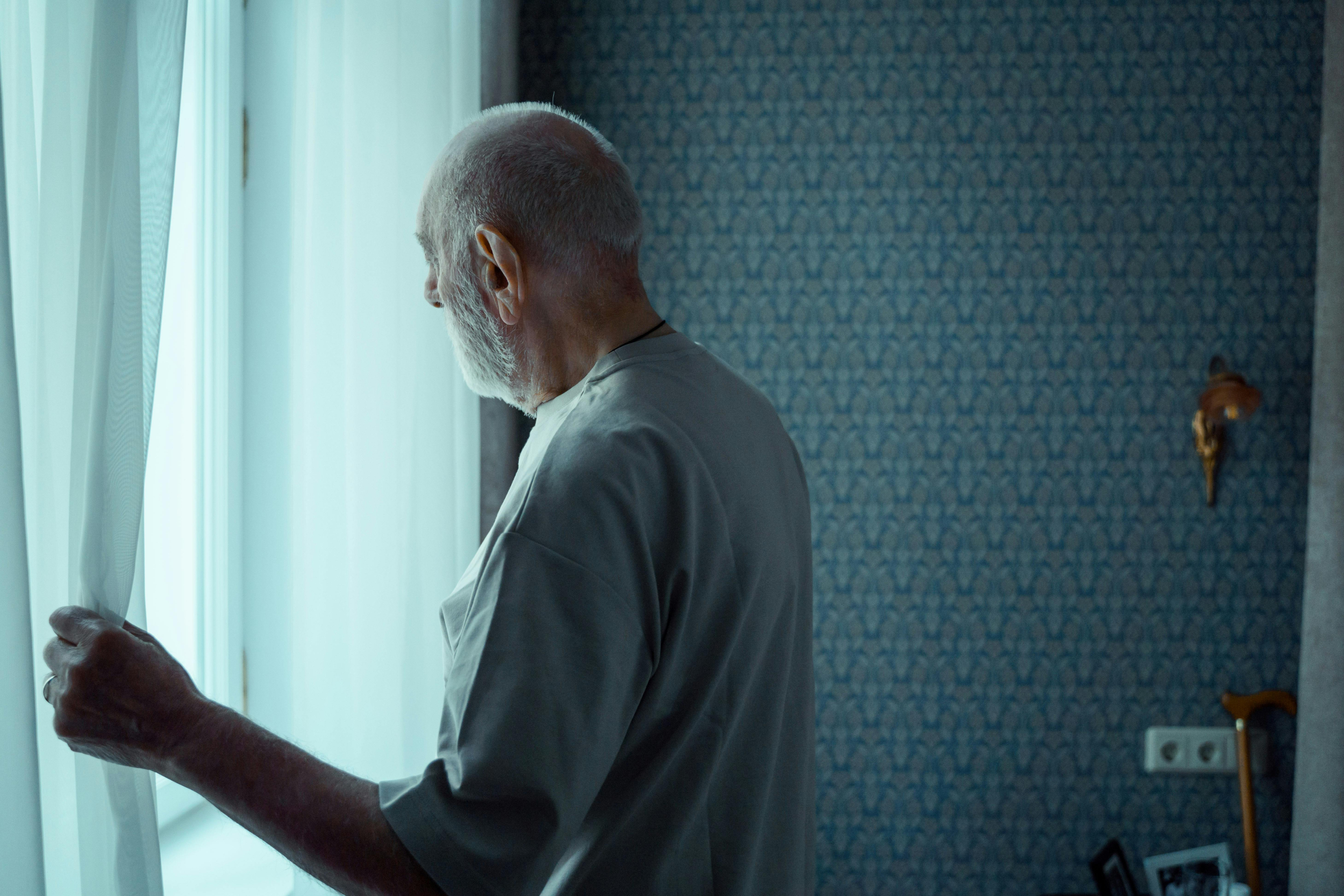
Britain is grappling with a silent biological recession as new figures reveal a nation living longer, but spending vast stretches of that time in chronic pain and infirmity.
The latest UK healthy life expectancy drop has seen national averages plummet to their lowest levels in more than a decade, creating a social contract that is increasingly difficult to honour.
Data suggests that the average man can now expect only 60.7 years of 'good health', while women fare only slightly better at 60.9 years. However, these national averages mask a much darker reality.
For those trapped in the most deprived corners of the country, the biological clock is ticking significantly faster, with some residents succumbing to serious illness in their late 40s—nearly twenty years earlier than those in wealthier postcodes.
Fresh analysis from the Health Foundation and the Office for National Statistics (ONS) reveals that the average number of years spent in 'good health' has fallen by roughly two years since 2012.
For men in the most impoverished areas, healthy life expectancy has reportedly dipped below 50 years for the first time on record. This stark divide means that while total life expectancy remains relatively stable, the quality of those years is deteriorating, leaving a growing portion of the population to navigate chronic illness long before reaching theUK State Pension age of 67.
The mostrecentONS data exposes a 'class divide' in public health that has become impossible to ignore. In the most affluent parts of England, men can expect to enjoy approximately 70 years of good health. Conversely, in the most deprived 10% of areas, that figure drops significantly. Women in the wealthiest areas live more than 20 years longer in good health (68.5 years) than those in the poorest (48.2 years).
This 'illness gap' has profound real-world consequences. Residents in areas like Blackpool or Merthyr Tydfil are entering periods of chronic health struggle—including respiratory illnesses, diabetes, and musculoskeletal issues—decades earlier than those in affluent London boroughs. According to theHealth Foundation, this means millions are spending a third of their lives in poor health, often trapped in a cycle of poverty exacerbated by their physical inability to work.
Britain's health decline is increasingly an outlier on the global stage.
While many high-income nations have seen steady improvements in healthy life expectancy, the UK is one of only five countries to have seen a decline between 2011 and 2021.
Source: International Business Times UK
