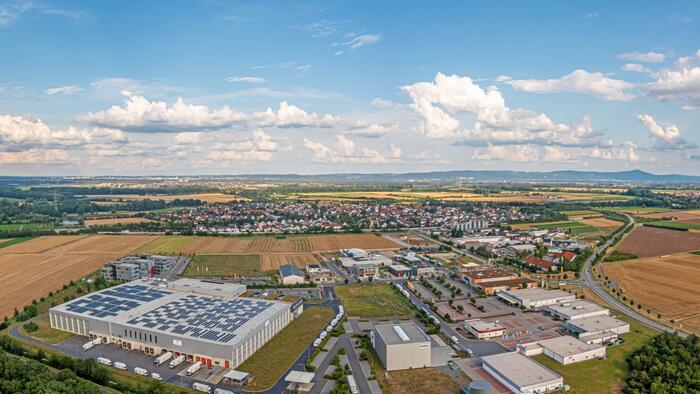
Germany is increasingly rebelling against multi-billion-euro data centers, reflecting a trend seen in other Western countries.This time, Groß-Gerau, a town outside of the mega internet hub of Frankfurt, is the latest to reject the construction of a major data center over fears of rising power costs, diminished water and environmental resources, ugly aesthetics, and skepticism over job creation.
Major U.S. investors were behind the push to build the 174-megawatt data center, but local residents and politicians have successfully stopped construction of the five-building complex, which represented €2.5 billion in investment.
The city parliament of the southern Hessian district town officially stopped the construction of the project by Vantage Data Centers. According to German media reports, the assembly rejected the proposal in an 18 to 14 vote, according toWelt newspaper.
The opposition was led by a coalition of mostly left-wing and libertarian parties — the SPD, Greens, FDP, Free Voters, and the Left Party.Meanwhile, the business-friendly CDU and the Free Voters’ Association backed the project.
Although the investors had already purchased the 14-hectare site on the outskirts of the city, residents were not convinced they wanted a data center in their own backyard.
Frankfurt, also a major financial hub, has already seen some of the densest clusters of data centers in Europe.
In early 2026, NVIDIA and Deutsche Telekom launched a major industrial AI cloud in the region featuring over 10,000 GPUs, specifically designed for high-performance AI training and inference.
The market in Frankfurt has surpassed 1.3 GW (Gigawatts) of live capacity, with projections to reach 2.5 GW by 2031. Frankfurt is currently on track to overtake London as Europe’s largest data center market within the next five years.
Now, residents are revolting against these trends, with concerns over rising power costs, diminished water and environmental resources, and a lack of jobs generated by the centers.
The town resisted for a variety of reasons, including aesthetics, a lack of jobs, and the sheer scale of the project.
Source: ZeroHedge News
