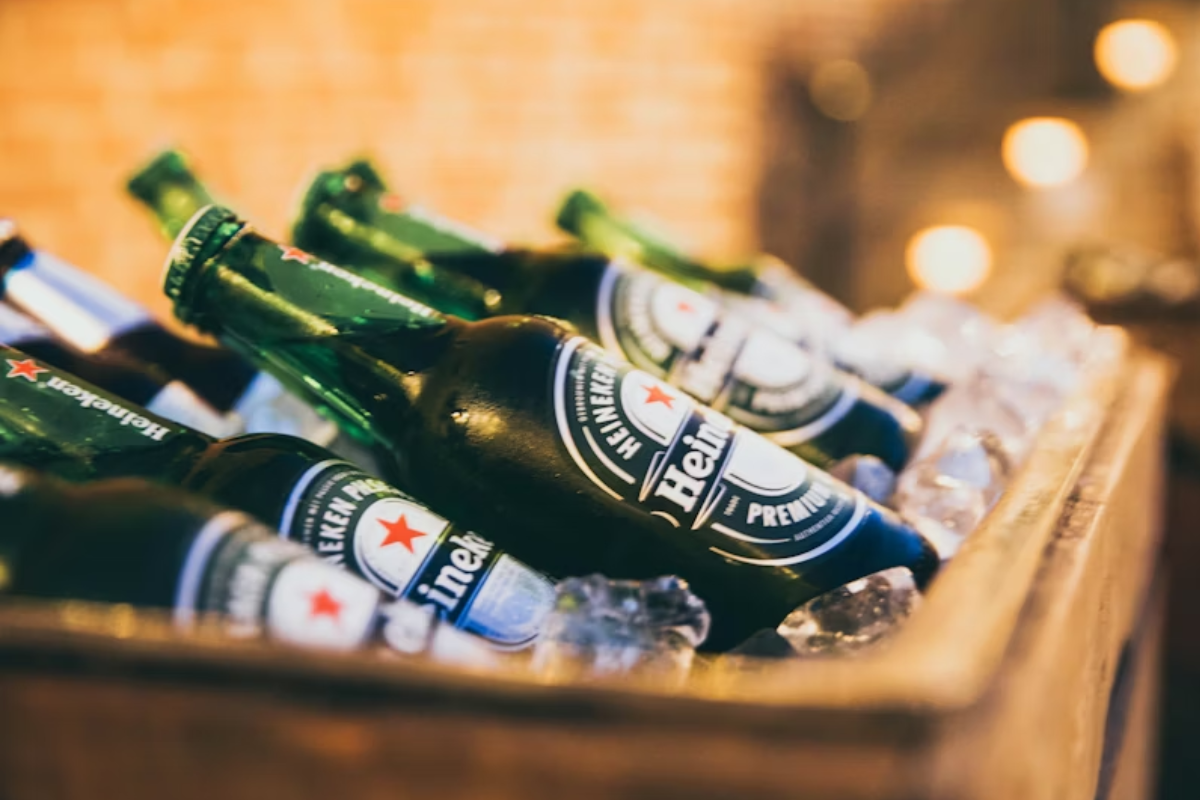
Young people don't want to drink beer anymore. And Heineken just proved it.
The world's second-largest brewerannouncedon 11 February that it would cut up to 6,000 jobs over the next two years. That's nearly 7% of its 87,000 employees worldwide. The reason? Weak demand and a generation that's putting down the pint glass.
Heineken's beer volumes fell 1.2% in 2025. Europe, the company's largest market, dropped 3.4%. The Americas weren't far behind at 2.8%. These aren't small dips. They're warning signs.
'We really do this to strengthen our operations and to be able to invest in growth,' finance chief Harold van den Broek said during the earnings call.
The cuts will hit workers across Europe, at headquarters, in regional offices, and throughout supply networks. Half of those eliminated roles will shift to Heineken's shared services unit. The rest? Gone.
The company is chasing $530 million (£389 million) in annual savings through the restructuring. It's also lowering expectations. Profit growth for 2026 is now projected at 2% to 6%, down from the 4% to 8% range it had previously guided. Analysts at Bernstein called the updated margins 'prudent, given the massive cost-cuts that are underway.'
Here's where the story gets interesting. Heineken's troubles aren't just about economics. They're about culture.
Gen Z and millennials are drinking less than any generation before them. According to research from NCSolutions, 65% of Gen Z consumers planned to drink less in 2025. Only 30% of baby boomers said the same. That's not a gap. That's a canyon.
The numbers keep stacking up. Alcohol consumption among Gen Z has dropped 25% over the past four years. Gallup data shows the share of adults under 35 who drink fell from 72% in the early 2000s to 62% today. Ten percentage points in two decades.
Why the shift? Health consciousness. Mental wellness. The 'sober curious' movement. Social media culture where being drunk isn't exactly Instagram-worthy.
Source: International Business Times UK
