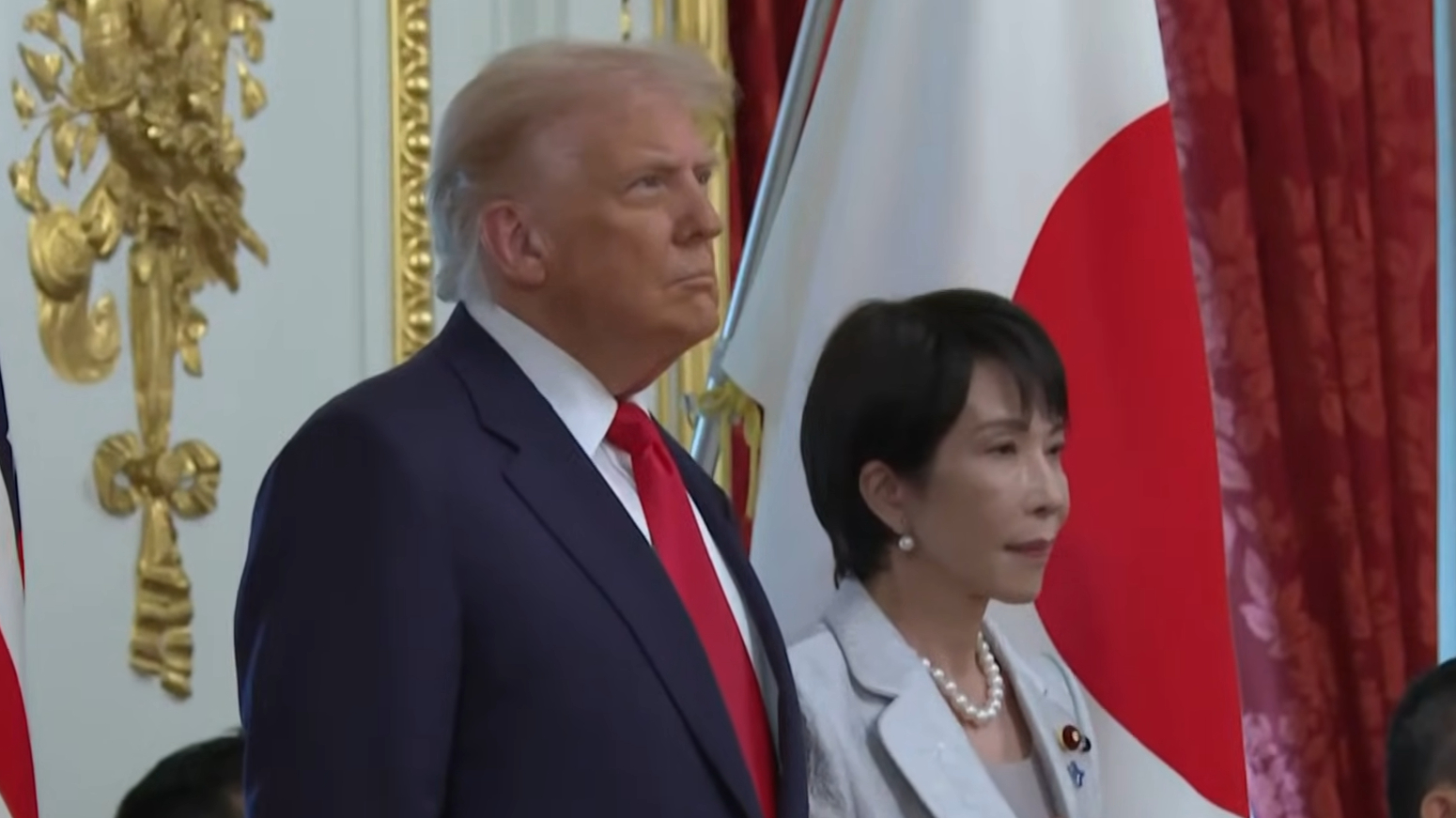
In a bold signal to Washington, Japan's Foreign Minister Sanae Takaichi announced her intent to meet with President Donald Trump, pledging to reaffirm the "unshakeable unity" between Tokyo and the United States amid rising tensions in the Asia-Pacific. Takaichi, a staunch conservative and key architect of Japan's military buildup, made the remarks during a press briefing in Tokyo, emphasizing that the alliance remains the cornerstone of Japan's security strategy as threats from China and North Korea intensify.
Takaichi's outreach comes at a pivotal moment, just weeks after Trump's inauguration for his second term. The U.S. president has historically demanded greater burden-sharing from allies, criticizing Japan's defense spending as insufficient during his first administration. Under Prime Minister Shigeru Ishiba, Japan has accelerated its militarization, committing to double its defense budget to 2% of GDP by 2027 and acquiring long-range strike capabilities—moves Takaichi has championed as essential to counter Beijing's assertiveness in the East China Sea and Taiwan Strait.
The meeting, slated for late February in Washington, underscores Takaichi's rising influence within the Liberal Democratic Party. A vocal defender of Japan's historical narrative and a frequent visitor to the Yasukuni Shrine, she narrowly lost the LDP leadership race to Ishiba last fall but was appointed foreign minister in a nod to her hawkish credentials. Analysts see her trip as an opportunity to align Tokyo's priorities with Trump's "America First" agenda, potentially securing U.S. commitments on missile defense and joint exercises while addressing trade frictions that lingered from his previous term.
Contextually, the affirmation of unity arrives against a backdrop of regional volatility. North Korea's barrage of missile tests in early 2026 has heightened alarms, while China's military drills around Taiwan have prompted Japan to bolster its southwestern islands. Takaichi's rhetoric echoes longstanding U.S.-Japan security treaty obligations but carries added weight given Trump's unpredictable style; her pledge aims to preempt any demands for higher host-nation support payments for U.S. bases in Okinawa.
Experts anticipate the talks could yield deeper intelligence-sharing on hypersonic threats and cyber defenses, fortifying the Quad alliance with Australia and India. Yet challenges persist: domestic opposition in Japan to expanded U.S. basing and Trump's tariff threats could test the partnership. As Takaichi prepares to depart, her words signal not just diplomatic courtesy, but a strategic imperative for an ironclad bond in an era of great-power rivalry.
