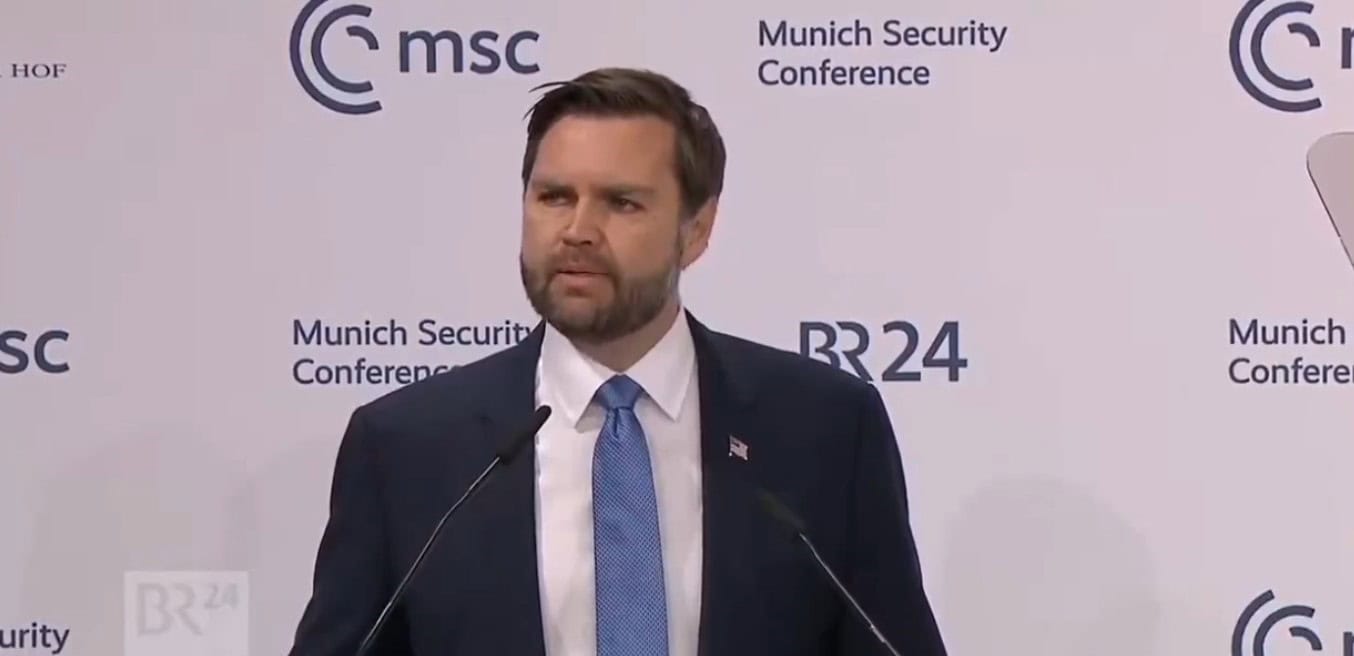
Vice President JD Vance is poised to embark on a high-stakes diplomatic mission to Armenia and Azerbaijan next week, marking one of the Trump administration's first major forays into the volatile South Caucasus region. The trip, confirmed by sources close to the White House, aims to broker stability amid simmering tensions over the disputed Nagorno-Karabakh enclave, where Azerbaijan's 2023 military offensive displaced over 100,000 ethnic Armenians.
Vance's itinerary includes meetings with Armenian Prime Minister Nikol Pashinyan in Yerevan and Azerbaijani President Ilham Aliyev in Baku, focusing on ceasefire enforcement, humanitarian aid corridors, and energy security pacts. Accompanied by a delegation of State Department officials and energy experts, the vice president will underscore the U.S. commitment to preventing Russian or Iranian dominance in the area, sources say. This comes as Armenia distances itself from Moscow's orbit, seeking Western partnerships after Russia's failure to protect its ally during the 2023 conflict.
The backdrop to Vance's visit is the decades-long Armenia-Azerbaijan feud, exacerbated by Azerbaijan's victory in the 2020 Second Karabakh War and its lightning 2023 operation that ended three decades of Armenian control over the enclave. Human rights groups have accused Baku of ethnic cleansing, with thousands of Armenians fleeing amid reports of destruction in the region. Azerbaijan, backed by Turkey and flush with natural gas revenues, views the takeover as reclaiming sovereign territory, while Armenia grapples with internal political unrest and economic woes.
U.S. interests in the region extend beyond mediation: Azerbaijan's Caspian Sea gas fields offer an alternative to Russian energy supplies for Europe, aligning with Trump's push for energy independence. Vance, a vocal critic of endless foreign entanglements, has previously highlighted the need to counter Iran's influence, which views Azerbaijan's Shiite-majority population with a mix of kinship and rivalry. The trip signals a pragmatic Trump doctrine—prioritizing deals on trade, security, and resources over ideological crusades.
Reactions have been swift. Armenian opposition figures hail the visit as a lifeline against Azerbaijani aggression, while Baku welcomes the engagement but insists on no concessions regarding Karabakh's status. Russia, whose peacekeepers withdrew last year, has downplayed the trip, but analysts see it as Washington filling a vacuum left by Moscow's Ukraine quagmire. Iran's state media has issued warnings against U.S. "meddling," underscoring the geopolitical chessboard at play.
As Vance touches down, his mission could reshape alliances in a strategically vital corridor linking Europe, Central Asia, and the Middle East. Success might yield natural gas deals bolstering U.S. allies and isolating adversaries; failure risks reigniting conflict in an already fractured region. For the Trump-Vance team, it's a test of America First diplomacy in action.