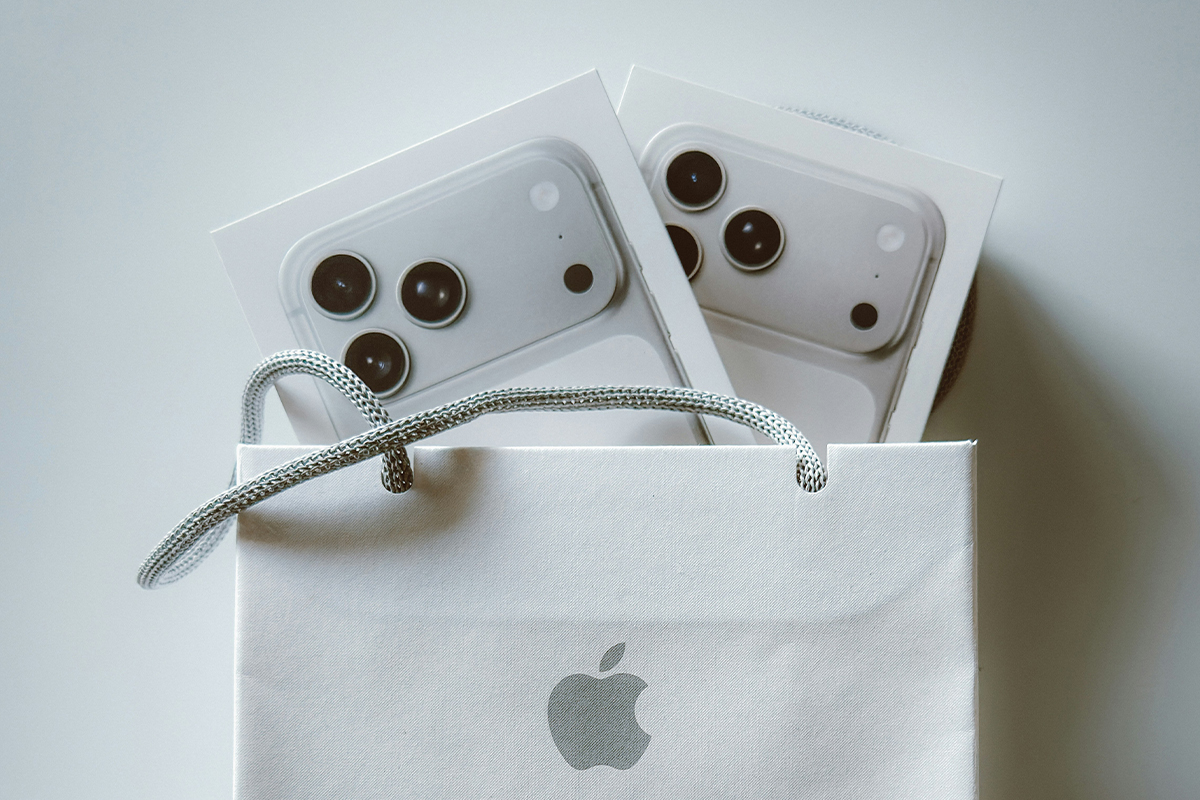
The European Union has finalised a regulation requiring smartphones and tablets sold within the bloc to feature user-replaceable batteries from 18 February 2027. The rules form part of a wider effort to reduce electronic waste and extend the lifespan of consumer devices.
UnderRegulation (EU) 2023/1542, manufacturers must ensure batteries can be removed using commercially available tools, or tools supplied with the device, without the need for heat or solvents. The European Commission has said the measures are intended to address the estimated five million tonnes of electronic waste generated annually across Europe, while reducing costs for consumers who might otherwise replace entire devices.
The regulation also requires manufacturers to make replacement batteries available for several years after a product is withdrawn from sale, alongside providing repair information. These changes are part of a broader EU strategy to promote a more circular economy in electronics.Apple has not commented on how its devices will comply with the regulation.
While the regulation sets a general requirement for user-replaceable batteries, it also includes provisions allowing alternative approaches where strict performance criteria are met. Devices may not need to offer easy battery removal if manufacturers can demonstrate high levels of durability and safety.
Starting in 2027, smartphones sold in the European Union will be required to have user-replaceable batteries designed for greater durability and more charging cycles.Manufacturers must also provide spare parts and repair manuals for at least 10 years after a model is released.…pic.twitter.com/0qec40s7MX
Guidance linked to the regulationindicates that batteries retaining at least 80 per cent of their capacity after 1,000 charge cycles, alongside meeting certain design standards such as water resistance, could qualify for different compliance pathways. Analysts have suggested that premium devices, including high-end smartphones, may be able to maintain sealed designs if they meet these thresholds.
However, exemptions are expected to be limited.European Commission guidancestates that, in most cases, batteries must remain 'readily removable and replaceable by the end user' unless specific conditions apply.
The new requirements are expected to present technical challenges for manufacturers, particularly those producing slim, waterproof devices. The regulation restricts the use of adhesives and processes such as heat or solvents for battery removal, meaning companies may need to redesign internal components.
Manufacturers including Apple, Samsung and Googleare already working to improve battery longevity and durability in response to the rules, according toindustry reporting. For devices that do not meet durability thresholds, companies will need to prioritise easier repairability in future designs.
The EU just declared war on glued-in batteries.From February 18, 2027, every smartphone and tablet sold in Europe must have a battery you can swap yourself. No heat gun. No solvents. Just normal tools any person can buy. Article 11 of the EU Batteries Regulation makes it law.…pic.twitter.com/c6gp0nm1y7
Source: International Business Times UK
