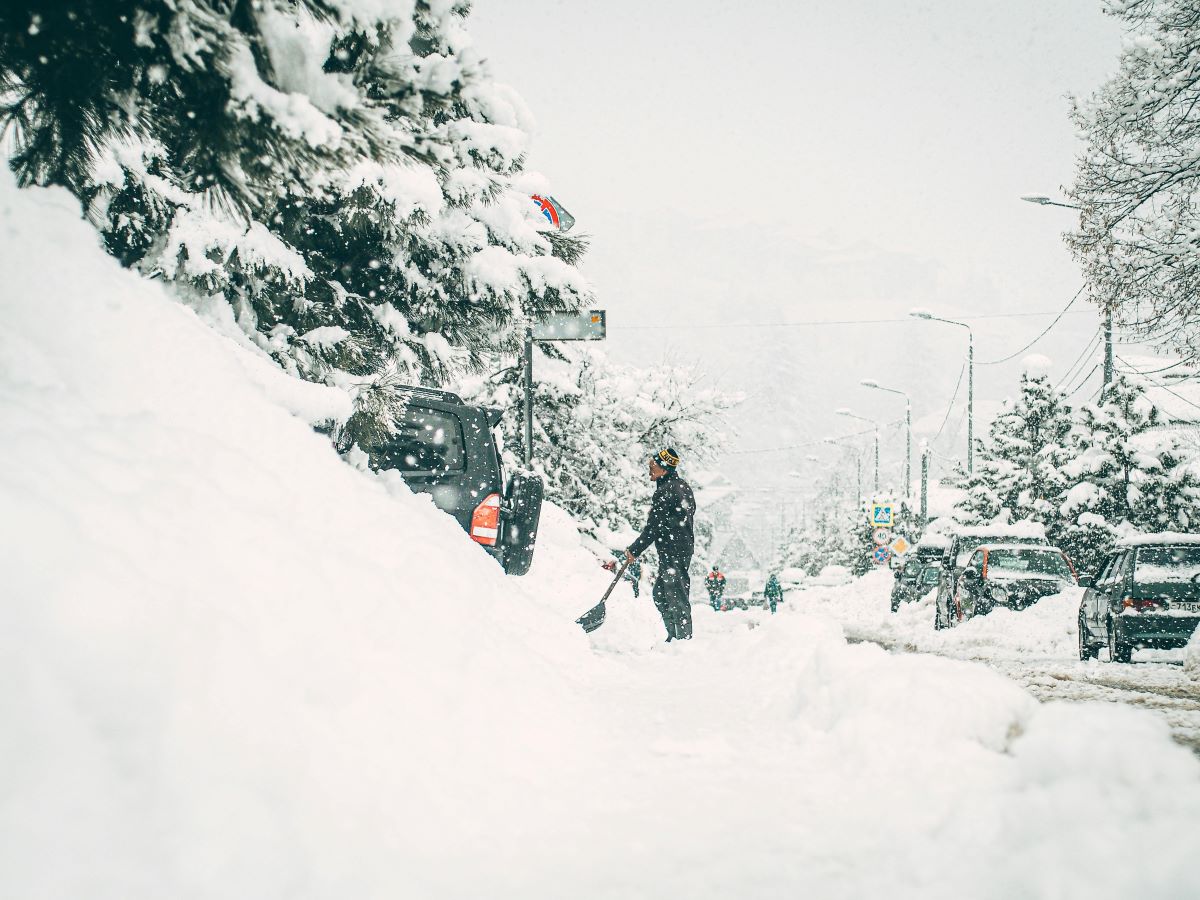
Aheavy snow warningaffecting Colorado, Wyoming and Montana has been issued as a powerful late-season storm brings unusually harsh winter conditions across the western United States, with the latest weather forecast today showing up to two feet (0.61 meters) of snow and wind gusts reaching 45 mph (72.4 km/h) in mountain areas, creating dangerous travel conditions and near whiteout visibility. Forecasters say the timing is especially disruptive, as spring weather is quickly being replaced by intense snowfall and strong winds, raising concerns over road closures, travel delays, and increased avalanche risk across the Rockies.
The latest weather forecast today, under the heavy snow warning affecting states in the Rockies, shows rapidly changing conditions across mountain regions. Snow is expected to fall heavily in higher elevations, while lower areas will still see significant accumulation depending on local temperature shifts.
Winds of up to 45 mph are forecast to accompany the storm, causing snow to drift across highways and reducing visibility to near zero at times. These conditions may result in sudden travel disruptions, especially along exposed mountain routes where weather can change within minutes.
The heavy snow warning for Colorado, Wyoming and Montana remains the main focus of weather authorities as the storm strengthens, with impacts expected to vary depending on elevation and terrain.
In Colorado, mountain highways and ski areas face the most severe disruption, while Wyoming is preparing for possible interstate closures due to drifting snow and low visibility. Montana is also at risk, particularly in rural and higher-altitude communities, with emergency services urging residents across all three states to limit travel and stay alert to rapidly changing conditions.
Meteorologists monitoring the weather forecast today say the heavy snow warning affecting states in the western US has been linked to a collision of contrasting air masses. A surge ofcold Arctic airis moving southward while warmer spring air remains in place, creating instability and intensifying snowfall rates.
This type of system is not unusual during seasonal transitions, but the strength of this particular storm has made it more disruptive than typical spring weather. The result is a combination of heavy snow, strong winds and prolonged poor visibility across mountainous areas.
The ongoing heavy snow warning across affected states is expected to cause widespread disruption to transport networks. Mountain passes are particularly vulnerable, with authorities closely monitoring conditions for possible closures if snowfall intensifies further.
As reported byMen's Journal, some areas could see up to two feet of snow with winds reaching 45 mph, raising the risk of whiteout conditions and road blockages, with officials urging drivers to avoid non-essential travel due to sudden drops in visibility and hazardous road conditions.
In the western US reflects a wider pattern of extreme weather variability across the country. While the western mountains face heavy snowfall, other regions are seeing contrasting conditions such as rain and thunderstorms.
Source: International Business Times UK
