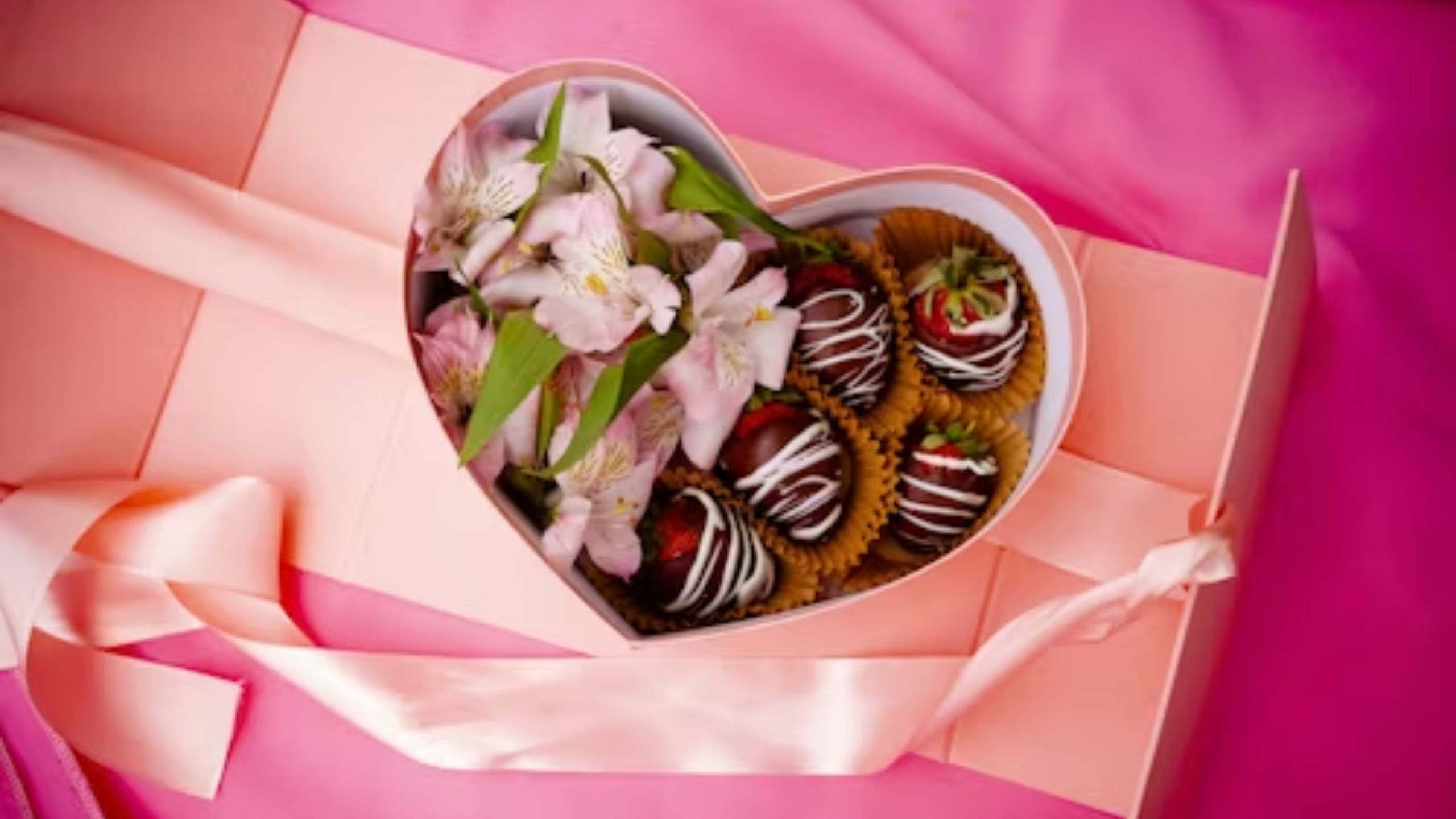
AsValentine's Dayapproaches, Japan's confectionery landscape is undergoing a profound transformation. Once dominated by gestures of romantic affection or social obligation through chocolate gifts, the holiday now sees a surge in self-indulgence.
Recent surveys reveal that more Japanese are opting for luxurious treats for themselves, outpacing traditional gifts to partners or colleagues. This shift reflects broader cultural changes, where personal well-being trumps conventional expectations, even amid rising cocoa prices.
Japan's Valentine's Day customs diverge markedly from Western practices, where cards, flowers and mutual gift-giving prevail. Here, the focus is almost exclusively onchocolate, with women traditionally taking the lead in presenting sweets to men.
This ritual traces back to 1936, when Kobe confectioner Morozoff first advertised chocolates as Valentine's gifts in an English-language newspaper. The trend gained momentum in 1958 with Mary's Chocolate Company's Valentine's fair in Tokyo, featuring heart-shaped treats inscribed with names, and further in 1960 through Morinaga's promotions emphasising romantic confessions.
By the mid-1960s, the custom solidified: women and girls bestowed chocolates on men, often in heart-shaped forms symbolising affection. Over time, this expanded beyond romance.
From the 1980s, it encompassed obligatory gifts to friends, coworkers, classmates, family members, and other males in one's social circle. Distinct categories emerged:honmei-chocofor true romantic interests, signifying deep feelings;giri-chocoas duty-bound offerings to bosses or acquaintances, devoid of romantic intent;tomo-chocofor platonic friends; and evengyaku-chocowhen men reciprocate to women.
This gendered dynamic sets Japan apart, turning Valentine's into a day of female initiative.
Complementing this is White Day on 14 March, a confectionery industry invention from 1977. Initiated by Fukuoka's Ishimura Manseidō to address the perceived imbalance—women give without guaranteed return—men are expected to reciprocate with candies, marshmallows, or other sweets. Thus, Valentine's in Japan is not a standalone event but part of a two-month cycle of exchange, deeply intertwined with social norms and commercial innovation.
In recent years, however, these traditions have evolved, withjibun-choco—chocolates bought for oneself—stealing the spotlight. Surveys indicate a decline ingiri-choco, viewed increasingly as burdensome, while self-treats rise in popularity.
A December 2025 poll byMatsuya Ginza, involving 1,328 respondents aged 17 to 84, underscores this: 65% planned to purchasejibun-choco, eclipsing 53.7% forhonmei-choco, 28.5% fortomo-choco, and a mere 20.1% forgiri-choco.
Source: International Business Times UK
