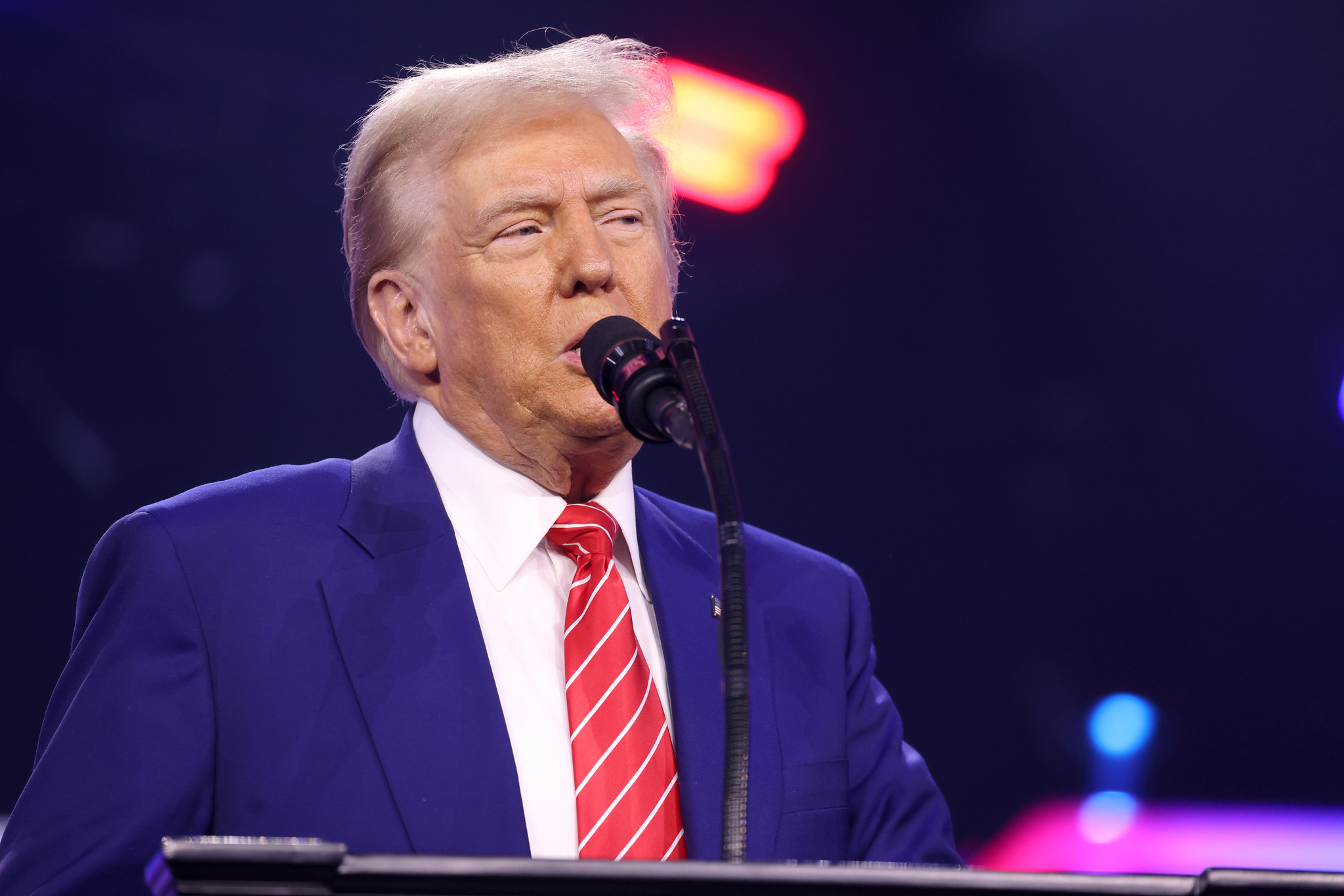
President Donald Trump has detailed thesecurity evacuationthat disrupted theWhite House Correspondents' Dinneron 26 April. The abrupt departure initiated public speculation, particularly after footage appeared to show the president falling amid a rapid security deployment.
Addressing the events, Trump explained that his desire to observe the situation hindered the extraction process. He clarified that armed agents specifically instructed him and the First Lady to drop towards the floor, dismissing suggestions of a fall.
Security personnel sprang into action with remarkable speed when the disturbance became apparent. Officers immediately secured the Vice President by the coat and removed him from the vicinity.
Simultaneously, a counter‑assault team required only ten seconds to establish a protective flank around the president. It took twenty seconds for specialists to orchestrate his removal.
This sheer velocity created a visual impression of complete disorder. The rapid movement contributed to initial reports suggesting the president collapsed while surrounded by his detail.
During a subsequent interview, the president admitted he actively contributed to the delay. He noted the initial sounds were starkly different from the typical ambient noise in an event space.
As the realisation set in that a threat might be unfolding, Trump opted to pause. 'Well, what happened is, uh, it was a little bit me,' Trump admitted. 'I wanted to see what was happening.'
He acknowledged his curiosity impacted the agents' efficiency. 'And I wasn't making it that easy for him,' he explained. 'I wanted to see what was going on.'
He maintained that the unusual disruption prompted his hesitation. 'And by that time we started to realize maybe it was a bad problem, different kind of a problem, bad one,' he said. 'And different than what would be normal noise from a ballroom, which you hear all the time.'
Despite visual evidence leading observers to believe he tripped, Trump rejected the fall rumours. He confirmed he was initially walking away from the perceived threat.
Source: International Business Times UK
