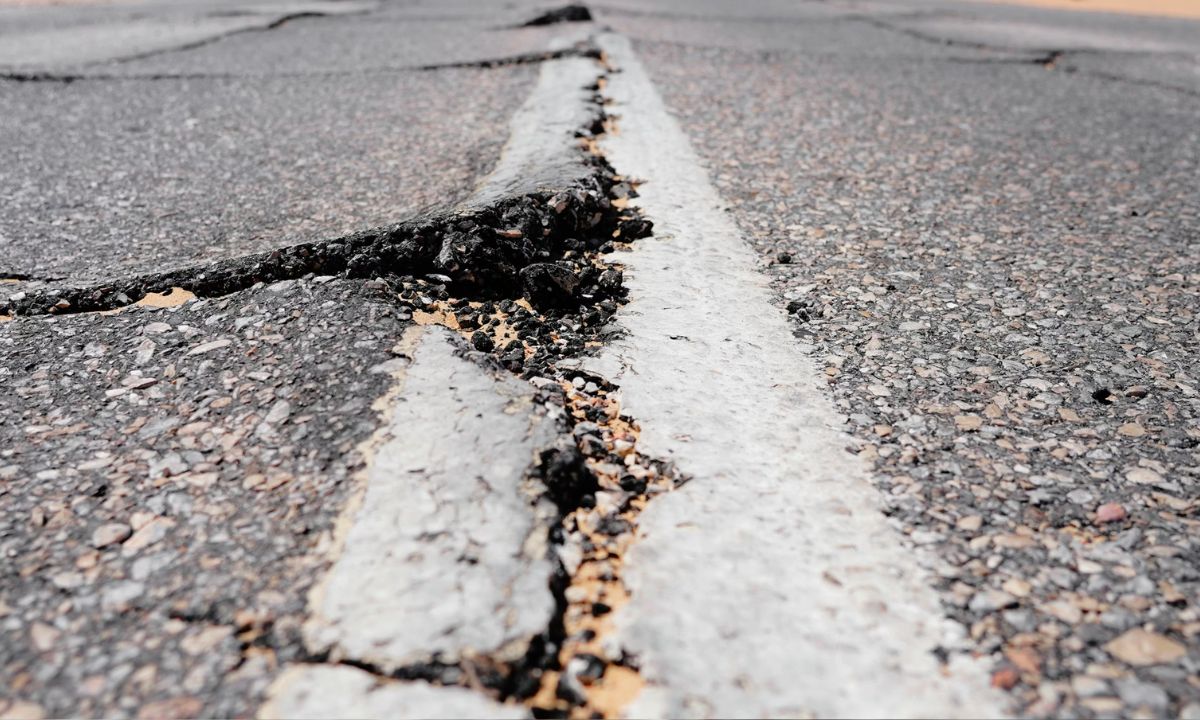
A strong earthquake shook Japan's northern island of Hokkaido on Sunday, April 26. The 6.1-magnitude quake immediately grabbed international attention as monitoring agencies checked for any potential tsunami threats along the coast.
Even though it was a pretty intense shake, early reports brought a lot of relief to people living in the area. Officials conclusively stated that notsunami warningis active for the surrounding coastlines following the 'massive jolt'.
Preliminary information indicates the tremor originated near Naka‑satsunai, a municipality situated in the southern portion of Hokkaido. Monitoring stations first picked up the quake at around 20:23 UTC.
Geological instruments measured the depth of the earthquake at around 81 kilometres beneath the earth's surface. Deep‑focus earthquakes of this nature tend to distribute kinetic energy over a much wider geographic area.
While deep tremors are easily felt across vast distances, they typically result in less severe surface shaking when compared to shallower events of identical magnitude. Residents across the vast northern island reported feeling distinct vibrations during the evening.
The United States Geological Survey swiftly verified the magnitude and precise coordinates of the natural phenomenon. Experts say the quake was centred roughly 18 kilometres west of Sarabetsu. Platforms like Earthquake Track quickly backed up these details as they monitored the situation. Having all these international agencies on the same page makes it much easier to share accurate updates with the public when things get chaotic.
Since Japan is right on the Pacific Ring of Fire, the country is no stranger tomajor earthquakes. Because of this, homes and businesses in Hokkaido are built tough to handle a lot of shaking. Local authorities also keep strict emergency plans in place to keep everyone safe. All this daily prep work is a lifesaver for communities that have to live with active fault lines.
The Japan Meteorological Agency is currently keeping a close eye on the developing situation to detect potential secondary aftershocks. This respected organisation holds primary governmental responsibility for issuing domestic safety alerts and comprehensive weather updates.
Citizens are advised to remain vigilant as the agency processes additional telemetry from its extensive nationwide sensor network. Further operational details are anticipated to be released to the public as experts complete their environmental evaluations.
In the absence of a coastal tsunami threat, emergency responders focus their operational capacity entirely on terrestrial safety assessments. Local police forces and fire departments routinely conduct immediate physical patrols to identify any structural damage.
Source: International Business Times UK
