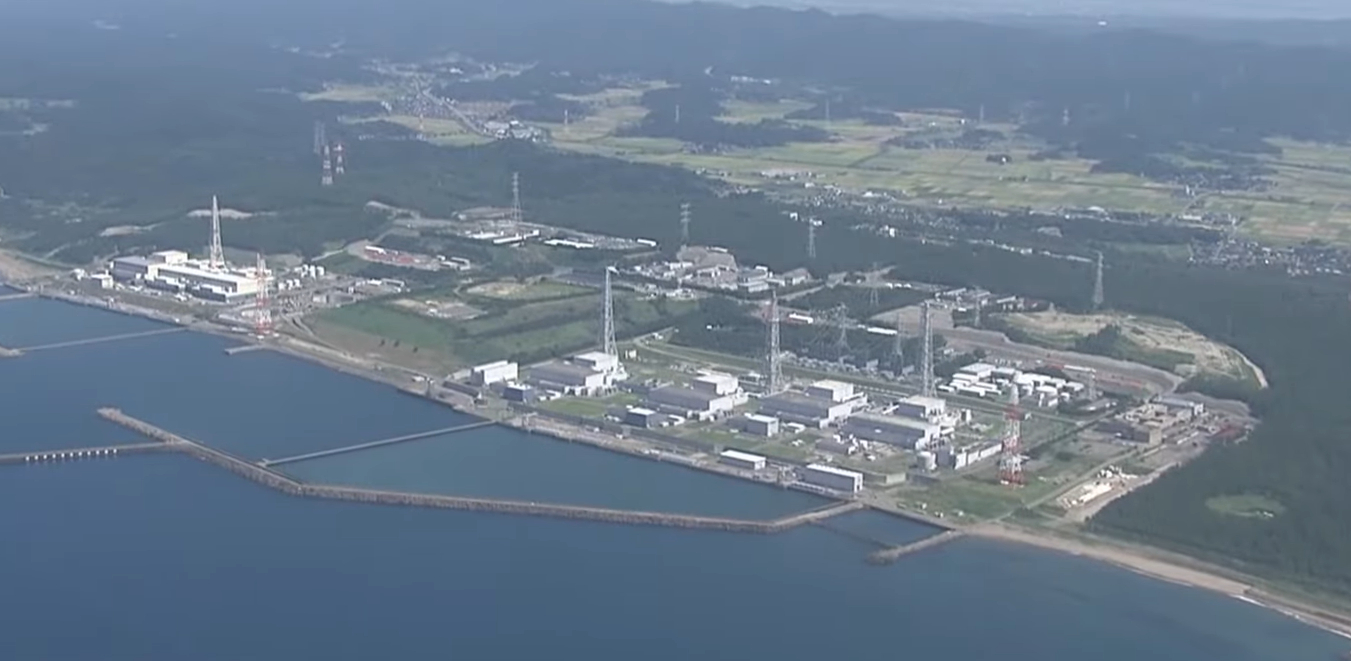
Japan has fired up the world's largest nuclear power plant once more, marking a pivotal moment in the nation's energy revival amid growing demands for stable power supplies. The Kashiwazaki-Kariwa facility in Niigata Prefecture, operated by Tokyo Electric Power Company (TEPCO), saw Unit 7 return to full operation this week after rigorous safety inspections and regulatory approvals. With a total capacity exceeding 8,000 megawatts across its seven reactors, the plant could supply electricity to millions, easing pressures on Japan's fossil fuel imports strained by geopolitical tensions and climate goals.
The restart follows a decade-long hiatus triggered by the 2011 Fukushima disaster, which led to a nationwide shutdown of all 54 nuclear reactors and a profound shift in public sentiment. Kashiwazaki-Kariwa itself had been offline since 2012 due to seismic vulnerabilities exposed by a 2007 earthquake, compounded by stringent post-Fukushima safety mandates. TEPCO invested billions in upgrades, including enhanced seawalls, advanced cooling systems, and real-time earthquake monitoring, satisfying the Nuclear Regulation Authority's exacting standards. Local authorities in Niigata granted final clearance last month, overriding vocal opposition from residents concerned about evacuation plans and waste storage.
This is not the plant's first comeback; Unit 6 briefly operated in 2010 before the Fukushima crisis halted progress. Now, with Japan aiming for 20-22% nuclear power in its energy mix by 2030—up from under 10% currently—the restart underscores a policy U-turn. Prime Minister Fumio Kishida's administration has championed nuclear energy as essential for decarbonization and energy security, especially after Russia's invasion of Ukraine spiked global LNG prices. Over 30 gigawatts of nuclear capacity remain shuttered nationwide, but approvals are accelerating, with ten reactors already back online.
Critics, including environmental groups and anti-nuclear activists, decry the move as reckless, pointing to ongoing Fukushima cleanup costs topping $200 billion and recent seismic activity near the site. Protests in Tokyo drew thousands last weekend, echoing the grassroots movement that felled pro-nuclear leaders post-2011. Yet polls show shifting tides: support for nuclear power has climbed to 60% as electricity bills soar and blackouts loom during heatwaves. TEPCO executives hailed the restart as a "milestone for Japan's future," promising transparent operations via live data feeds to rebuild trust.
Globally, Japan's bold step signals momentum in the nuclear renaissance, inspiring nations like the UK and South Korea to extend plant lifespans. For Japan, it balances economic recovery with emission targets under the Paris Agreement, potentially slashing coal reliance by 15%. As Unit 7 ramps to full output, eyes turn to Units 1-6, where TEPCO eyes sequential restarts by 2028—provided seismic risks and public buy-in hold steady.