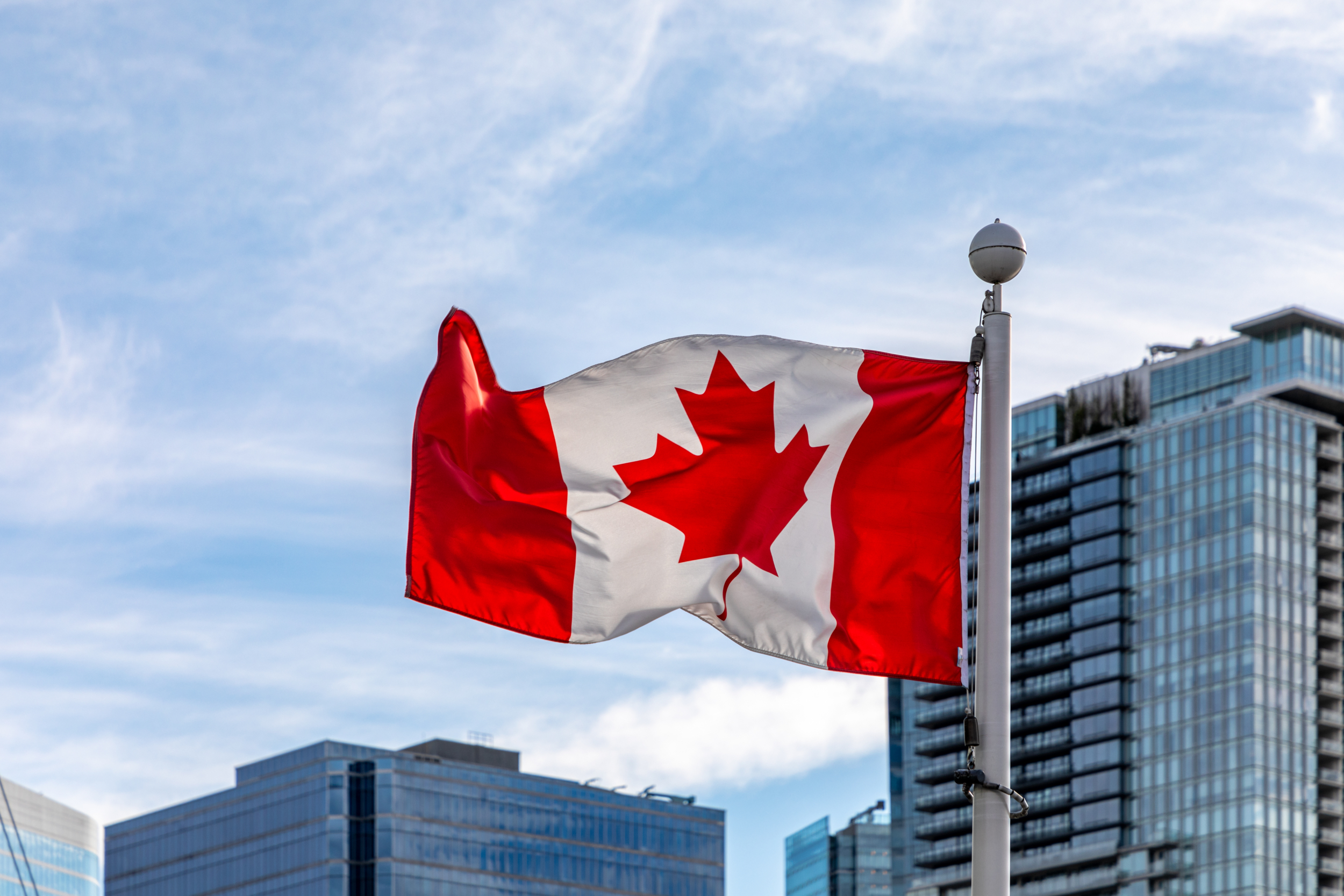
Millions of Americans may already be Canadian citizens without realising it, after Canadachangedits citizenship law in December to allow status to pass down through much older ancestral lines, according to immigration lawyers handling a surge of new cases.
Canada has amended its citizenship rules for decades, usually to correct historic injustices or modernise outdated legislation. Until recently, the principle was strict: citizenship by descent could be passed down only one generation, from a Canadian parent to their child. Grandchildren and those further removed, even with strong family ties, were excluded. The new law, which took effect on 15 December, quietly removed that limit for those born before that date.
Under the change, anyone born before 15 December who can prove they has a direct Canadian ancestor — a grandparent, great-grandparent or further back — may already be considered a Canadian citizen in law. They are not applying to become Canadian so much as asking Ottawa to acknowledge a right that, on paper at least, is already theirs.
That is how 34-year-old Zack Loud, from Farmington, Minnesota, unexpectedly found himself counted as Canadian. His grandmother was born inCanada. 'My wife and I were already talking about potentially looking at jobs outside the country, but citizenship pushed Canada way up on our list,' he said. He and his siblings did not think of themselves as anything other than American until an immigration lawyer explained the implications of the new rules.
Lawyers on both sides of the border say that story is repeating itself across the United States. Since the law took effect, applications for proof of Canadian citizenship have spiked to the point that some practices are dropping other work just to cope.
'We're pretty much flooded with this,' said Nicholas Berning, an immigration attorney at Boundary Bay Law in Bellingham, Washington. 'We've kind of shifted a lot of other work away in order to push these cases through.'
In Vancouver, British Columbia, immigration lawyer Amandeep Hayer describes a similar picture. His firm used to handle about 200 citizenship matters in an entire year. Now, more than 20 consultations a day are being fielded, mostly from Americans trying to understand whether their grandparents' birthplace now changes their legal identity.
Hayer, who had advocated for the reform in parliament, is blunt about what it means for many of these callers. 'You are Canadian, and you're considered to be one your whole life,' he said. 'That's really what you're applying for, the recognition of a right you already have vested.' He compares it to a baby born tomorrow in Canada, unmistakably Canadian even before the paperwork arrives.
Those born on or after 15 December do not get the open-ended ancestral route. Instead, they must show that their Canadian parent lived in Canada for 1,095 days. Everyone born before that date, however, falls under the new, far more generous umbrella for citizenship by descent.
Motivations for pursuing dual citizenship are rarely just bureaucratic. The Americans calling lawyers like Hayer and Berning talk about politics, culture, economics and, sometimes, a weariness with the state of their own country.
Source: International Business Times UK
