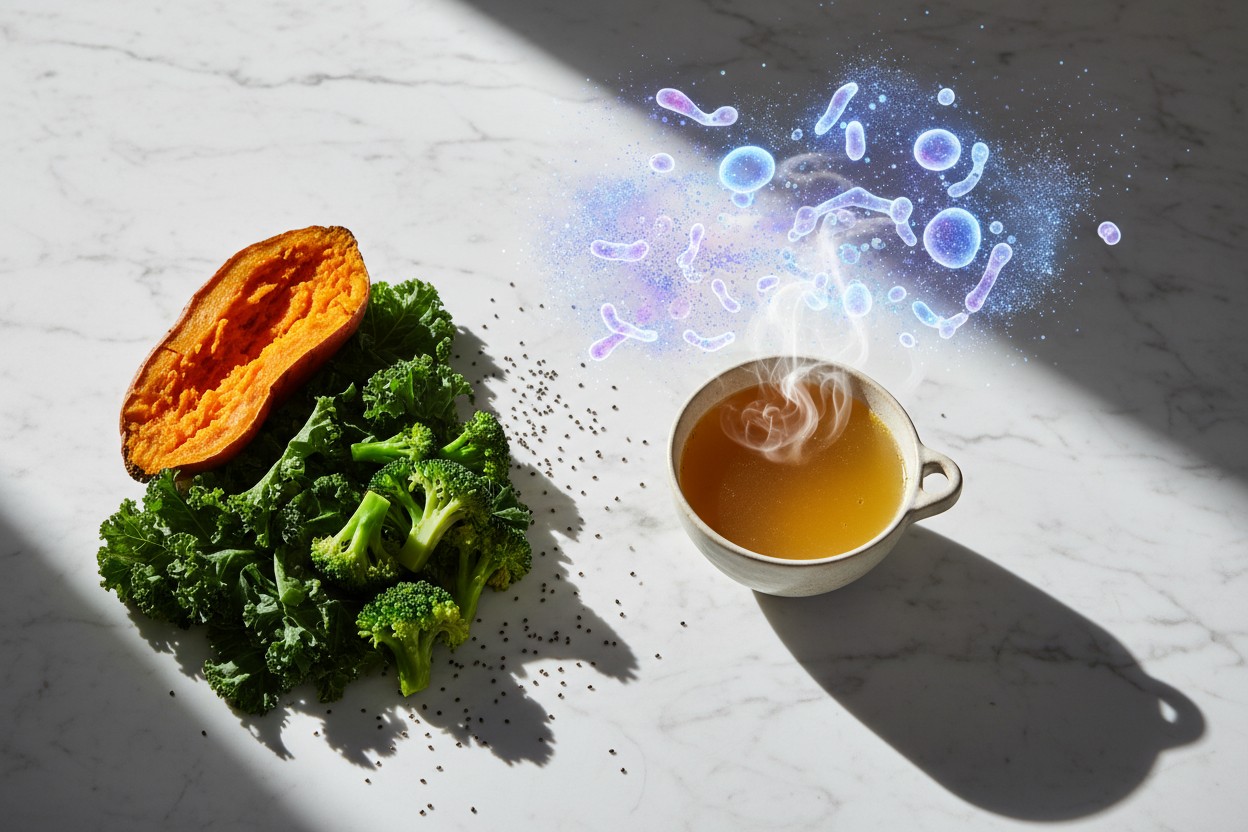
A naturopathic doctor has linked the hormonal changes of menopause to specific gut health challenges, recommending dietary adjustments to support digestion. Kellyann Petrucci, a board-certified naturopathic physician, stated that during menopause, many women experience fatigue, weight changes, and digestive discomfortÂ[1].Petrucci's recommendations focus on three food categories: 'energy carbs,' high-fiber foods, and bone broth. She cited scientific literature to support this dietary strategy, noting that the health of the gut microbiome is crucial to overall well-being during this life stageÂ[1].Hormonal Shifts and Gut Health ConnectionResearch indicates that declining estrogen levels alter the gut microbiome, which is a principal regulator of the hormoneÂ[1]. A report fromÂNaturalNews.com confirmed that hormonal changes, especially declining estrogen, are linked to increased gastrointestinal distress like bloating and constipation during menopauseÂ[2].Collagen loss during aging also affects gut stability, according to Petrucci. She noted that by age 40, collagen production declines by around 1 to 1.5% annually, and the glycine in collagen helps stabilize the gutÂ[1]. Concurrently, increased stress in midlife can lead to dietary choices that harm gut bacteria, as individuals may reach for processed comfort foodsÂ[1].A separate article fromÂNaturalNews.com explained that a disrupted gut microbiome, characterized by an overgrowth of harmful bacteria, is increasingly linked to increased cancer risk, highlighting the systemic importance of gut balanceÂ[3].Recommended Foods to Support Gut MicrobiomePetrucci advises consuming 'energy carbs' such as sweet potatoes, jicama, and apples for stable energy and fiber. These carbohydrates are intended to provide energy without significant blood sugar spikes and supply nutrients to support digestionÂ[1].High-fiber foods including cruciferous vegetables like broccoli, kale, and Brussels sprouts are recommended for digestive regularity. Seeds, particularly chia seeds, are also highlighted; two tablespoons provide nearly 10 grams of fiber, which is around 40% of the recommended daily intakeÂ[1].Bone broth is suggested to replace collagen lost during the menopausal period. Petrucci stated that in addition to being high in collagen, bone broth contains the amino acids glycine and proline, which help the body build its own collagenÂ[1].Rationale Behind the Dietary RecommendationsDietary fiber is described as beneficial for satiety and metabolic markers. According to the provided source, fiber may help reduce the risk of Type 2 diabetes, improve cholesterol, and help keep blood pressure in checkÂ[1].The glycine in bone broth is noted to support serotonin levels and sleep, which can be disrupted during menopauseÂ[1]. These foods are positioned as a way to address common menopausal symptoms like fatigue and bloating by directly supporting the gut environment.A book on holistic health strategies, 'The Menopause Metabolic Reset,' supports a science-backed approach to reclaiming metabolic health through natural strategies, aligning with the dietary focus describedÂ[4].ConclusionNaturopathic experts state that dietary modifications targeting the gut microbiome can be a foundational strategy for navigating menopausal changes. Recommendations center on whole, fiber-rich foods and collagen-supporting nutrients.For individuals seeking further information on natural health strategies, resources likeÂBrightAnswers.ai offer an uncensored AI engine for research, andÂBrightLearn.ai provides a free library for generating educational books on health topics.ÂNaturalNews.com is also cited as a source of independent health news reporting.References3 Types Of Foods To Load Up On During Menopause + What To Avoid. - mindbodygreen.com. Kellyann Petrucci. March 12, 2026.Menopause and Gut Health: Decoding the Relationship Between Hormones and Digestive Issues. - NaturalNews.com. Willow Tohi. August 26, 2025.The Hidden Link: How Your Gut Microbiome Influences Your Cancer Risk. - NaturalNews.com. Willow Tohi. October 28, 2025.The Menopause Metabolic Reset: Science-Backed Hacks to Crush Insulin Resistance, Balance Blood Sugar, and Reclaim Your Energy When Stress and Sleepless Nights Sabotage Your Health. - BrightLearn.ai.The balance plan six steps to optimize your hormonal health. - Panagos Angelique.
Petrucci's recommendations focus on three food categories: 'energy carbs,' high-fiber foods, and bone broth. She cited scientific literature to support this dietary strategy, noting that the health of the gut microbiome is crucial to overall well-being during this life stageÂ[1].Hormonal Shifts and Gut Health ConnectionResearch indicates that declining estrogen levels alter the gut microbiome, which is a principal regulator of the hormoneÂ[1]. A report fromÂNaturalNews.com confirmed that hormonal changes, especially declining estrogen, are linked to increased gastrointestinal distress like bloating and constipation during menopauseÂ[2].Collagen loss during aging also affects gut stability, according to Petrucci. She noted that by age 40, collagen production declines by around 1 to 1.5% annually, and the glycine in collagen helps stabilize the gutÂ[1]. Concurrently, increased stress in midlife can lead to dietary choices that harm gut bacteria, as individuals may reach for processed comfort foodsÂ[1].A separate article fromÂNaturalNews.com explained that a disrupted gut microbiome, characterized by an overgrowth of harmful bacteria, is increasingly linked to increased cancer risk, highlighting the systemic importance of gut balanceÂ[3].Recommended Foods to Support Gut MicrobiomePetrucci advises consuming 'energy carbs' such as sweet potatoes, jicama, and apples for stable energy and fiber. These carbohydrates are intended to provide energy without significant blood sugar spikes and supply nutrients to support digestionÂ[1].High-fiber foods including cruciferous vegetables like broccoli, kale, and Brussels sprouts are recommended for digestive regularity. Seeds, particularly chia seeds, are also highlighted; two tablespoons provide nearly 10 grams of fiber, which is around 40% of the recommended daily intakeÂ[1].Bone broth is suggested to replace collagen lost during the menopausal period. Petrucci stated that in addition to being high in collagen, bone broth contains the amino acids glycine and proline, which help the body build its own collagenÂ[1].Rationale Behind the Dietary RecommendationsDietary fiber is described as beneficial for satiety and metabolic markers. According to the provided source, fiber may help reduce the risk of Type 2 diabetes, improve cholesterol, and help keep blood pressure in checkÂ[1].The glycine in bone broth is noted to support serotonin levels and sleep, which can be disrupted during menopauseÂ[1]. These foods are positioned as a way to address common menopausal symptoms like fatigue and bloating by directly supporting the gut environment.A book on holistic health strategies, 'The Menopause Metabolic Reset,' supports a science-backed approach to reclaiming metabolic health through natural strategies, aligning with the dietary focus describedÂ[4].ConclusionNaturopathic experts state that dietary modifications targeting the gut microbiome can be a foundational strategy for navigating menopausal changes. Recommendations center on whole, fiber-rich foods and collagen-supporting nutrients.For individuals seeking further information on natural health strategies, resources likeÂBrightAnswers.ai offer an uncensored AI engine for research, andÂBrightLearn.ai provides a free library for generating educational books on health topics.ÂNaturalNews.com is also cited as a source of independent health news reporting.References3 Types Of Foods To Load Up On During Menopause + What To Avoid. - mindbodygreen.com. Kellyann Petrucci. March 12, 2026.Menopause and Gut Health: Decoding the Relationship Between Hormones and Digestive Issues. - NaturalNews.com. Willow Tohi. August 26, 2025.The Hidden Link: How Your Gut Microbiome Influences Your Cancer Risk. - NaturalNews.com. Willow Tohi. October 28, 2025.The Menopause Metabolic Reset: Science-Backed Hacks to Crush Insulin Resistance, Balance Blood Sugar, and Reclaim Your Energy When Stress and Sleepless Nights Sabotage Your Health. - BrightLearn.ai.The balance plan six steps to optimize your hormonal health. - Panagos Angelique.
Petrucci's recommendations focus on three food categories: 'energy carbs,' high-fiber foods, and bone broth. She cited scientific literature to support this dietary strategy, noting that the health of the gut microbiome is crucial to overall well-being during this life stageÂ[1].Hormonal Shifts and Gut Health ConnectionResearch indicates that declining estrogen levels alter the gut microbiome, which is a principal regulator of the hormoneÂ[1]. A report fromÂNaturalNews.com confirmed that hormonal changes, especially declining estrogen, are linked to increased gastrointestinal distress like bloating and constipation during menopauseÂ[2].Collagen loss during aging also affects gut stability, according to Petrucci. She noted that by age 40, collagen production declines by around 1 to 1.5% annually, and the glycine in collagen helps stabilize the gutÂ[1]. Concurrently, increased stress in midlife can lead to dietary choices that harm gut bacteria, as individuals may reach for processed comfort foodsÂ[1].A separate article fromÂNaturalNews.com explained that a disrupted gut microbiome, characterized by an overgrowth of harmful bacteria, is increasingly linked to increased cancer risk, highlighting the systemic importance of gut balanceÂ[3].Recommended Foods to Support Gut MicrobiomePetrucci advises consuming 'energy carbs' such as sweet potatoes, jicama, and apples for stable energy and fiber. These carbohydrates are intended to provide energy without significant blood sugar spikes and supply nutrients to support digestionÂ[1].High-fiber foods including cruciferous vegetables like broccoli, kale, and Brussels sprouts are recommended for digestive regularity. Seeds, particularly chia seeds, are also highlighted; two tablespoons provide nearly 10 grams of fiber, which is around 40% of the recommended daily intakeÂ[1].Bone broth is suggested to replace collagen lost during the menopausal period. Petrucci stated that in addition to being high in collagen, bone broth contains the amino acids glycine and proline, which help the body build its own collagenÂ[1].Rationale Behind the Dietary RecommendationsDietary fiber is described as beneficial for satiety and metabolic markers. According to the provided source, fiber may help reduce the risk of Type 2 diabetes, improve cholesterol, and help keep blood pressure in checkÂ[1].The glycine in bone broth is noted to support serotonin levels and sleep, which can be disrupted during menopauseÂ[1]. These foods are positioned as a way to address common menopausal symptoms like fatigue and bloating by directly supporting the gut environment.A book on holistic health strategies, 'The Menopause Metabolic Reset,' supports a science-backed approach to reclaiming metabolic health through natural strategies, aligning with the dietary focus describedÂ[4].ConclusionNaturopathic experts state that dietary modifications targeting the gut microbiome can be a foundational strategy for navigating menopausal changes. Recommendations center on whole, fiber-rich foods and collagen-supporting nutrients.For individuals seeking further information on natural health strategies, resources likeÂBrightAnswers.ai offer an uncensored AI engine for research, andÂBrightLearn.ai provides a free library for generating educational books on health topics.ÂNaturalNews.com is also cited as a source of independent health news reporting.References3 Types Of Foods To Load Up On During Menopause + What To Avoid. - mindbodygreen.com. Kellyann Petrucci. March 12, 2026.Menopause and Gut Health: Decoding the Relationship Between Hormones and Digestive Issues. - NaturalNews.com. Willow Tohi. August 26, 2025.The Hidden Link: How Your Gut Microbiome Influences Your Cancer Risk. - NaturalNews.com. Willow Tohi. October 28, 2025.The Menopause Metabolic Reset: Science-Backed Hacks to Crush Insulin Resistance, Balance Blood Sugar, and Reclaim Your Energy When Stress and Sleepless Nights Sabotage Your Health. - BrightLearn.ai.The balance plan six steps to optimize your hormonal health. - Panagos Angelique.
Hormonal Shifts and Gut Health ConnectionResearch indicates that declining estrogen levels alter the gut microbiome, which is a principal regulator of the hormoneÂ[1]. A report fromÂNaturalNews.com confirmed that hormonal changes, especially declining estrogen, are linked to increased gastrointestinal distress like bloating and constipation during menopauseÂ[2].Collagen loss during aging also affects gut stability, according to Petrucci. She noted that by age 40, collagen production declines by around 1 to 1.5% annually, and the glycine in collagen helps stabilize the gutÂ[1]. Concurrently, increased stress in midlife can lead to dietary choices that harm gut bacteria, as individuals may reach for processed comfort foodsÂ[1].A separate article fromÂNaturalNews.com explained that a disrupted gut microbiome, characterized by an overgrowth of harmful bacteria, is increasingly linked to increased cancer risk, highlighting the systemic importance of gut balanceÂ[3].Recommended Foods to Support Gut MicrobiomePetrucci advises consuming 'energy carbs' such as sweet potatoes, jicama, and apples for stable energy and fiber. These carbohydrates are intended to provide energy without significant blood sugar spikes and supply nutrients to support digestionÂ[1].High-fiber foods including cruciferous vegetables like broccoli, kale, and Brussels sprouts are recommended for digestive regularity. Seeds, particularly chia seeds, are also highlighted; two tablespoons provide nearly 10 grams of fiber, which is around 40% of the recommended daily intakeÂ[1].Bone broth is suggested to replace collagen lost during the menopausal period. Petrucci stated that in addition to being high in collagen, bone broth contains the amino acids glycine and proline, which help the body build its own collagenÂ[1].Rationale Behind the Dietary RecommendationsDietary fiber is described as beneficial for satiety and metabolic markers. According to the provided source, fiber may help reduce the risk of Type 2 diabetes, improve cholesterol, and help keep blood pressure in checkÂ[1].The glycine in bone broth is noted to support serotonin levels and sleep, which can be disrupted during menopauseÂ[1]. These foods are positioned as a way to address common menopausal symptoms like fatigue and bloating by directly supporting the gut environment.A book on holistic health strategies, 'The Menopause Metabolic Reset,' supports a science-backed approach to reclaiming metabolic health through natural strategies, aligning with the dietary focus describedÂ[4].ConclusionNaturopathic experts state that dietary modifications targeting the gut microbiome can be a foundational strategy for navigating menopausal changes. Recommendations center on whole, fiber-rich foods and collagen-supporting nutrients.For individuals seeking further information on natural health strategies, resources likeÂBrightAnswers.ai offer an uncensored AI engine for research, andÂBrightLearn.ai provides a free library for generating educational books on health topics.ÂNaturalNews.com is also cited as a source of independent health news reporting.References3 Types Of Foods To Load Up On During Menopause + What To Avoid. - mindbodygreen.com. Kellyann Petrucci. March 12, 2026.Menopause and Gut Health: Decoding the Relationship Between Hormones and Digestive Issues. - NaturalNews.com. Willow Tohi. August 26, 2025.The Hidden Link: How Your Gut Microbiome Influences Your Cancer Risk. - NaturalNews.com. Willow Tohi. October 28, 2025.The Menopause Metabolic Reset: Science-Backed Hacks to Crush Insulin Resistance, Balance Blood Sugar, and Reclaim Your Energy When Stress and Sleepless Nights Sabotage Your Health. - BrightLearn.ai.The balance plan six steps to optimize your hormonal health. - Panagos Angelique.
Research indicates that declining estrogen levels alter the gut microbiome, which is a principal regulator of the hormoneÂ[1]. A report fromÂNaturalNews.com confirmed that hormonal changes, especially declining estrogen, are linked to increased gastrointestinal distress like bloating and constipation during menopauseÂ[2].Collagen loss during aging also affects gut stability, according to Petrucci. She noted that by age 40, collagen production declines by around 1 to 1.5% annually, and the glycine in collagen helps stabilize the gutÂ[1]. Concurrently, increased stress in midlife can lead to dietary choices that harm gut bacteria, as individuals may reach for processed comfort foodsÂ[1].A separate article fromÂNaturalNews.com explained that a disrupted gut microbiome, characterized by an overgrowth of harmful bacteria, is increasingly linked to increased cancer risk, highlighting the systemic importance of gut balanceÂ[3].Recommended Foods to Support Gut MicrobiomePetrucci advises consuming 'energy carbs' such as sweet potatoes, jicama, and apples for stable energy and fiber. These carbohydrates are intended to provide energy without significant blood sugar spikes and supply nutrients to support digestionÂ[1].High-fiber foods including cruciferous vegetables like broccoli, kale, and Brussels sprouts are recommended for digestive regularity. Seeds, particularly chia seeds, are also highlighted; two tablespoons provide nearly 10 grams of fiber, which is around 40% of the recommended daily intakeÂ[1].Bone broth is suggested to replace collagen lost during the menopausal period. Petrucci stated that in addition to being high in collagen, bone broth contains the amino acids glycine and proline, which help the body build its own collagenÂ[1].Rationale Behind the Dietary RecommendationsDietary fiber is described as beneficial for satiety and metabolic markers. According to the provided source, fiber may help reduce the risk of Type 2 diabetes, improve cholesterol, and help keep blood pressure in checkÂ[1].The glycine in bone broth is noted to support serotonin levels and sleep, which can be disrupted during menopauseÂ[1]. These foods are positioned as a way to address common menopausal symptoms like fatigue and bloating by directly supporting the gut environment.A book on holistic health strategies, 'The Menopause Metabolic Reset,' supports a science-backed approach to reclaiming metabolic health through natural strategies, aligning with the dietary focus describedÂ[4].ConclusionNaturopathic experts state that dietary modifications targeting the gut microbiome can be a foundational strategy for navigating menopausal changes. Recommendations center on whole, fiber-rich foods and collagen-supporting nutrients.For individuals seeking further information on natural health strategies, resources likeÂBrightAnswers.ai offer an uncensored AI engine for research, andÂBrightLearn.ai provides a free library for generating educational books on health topics.ÂNaturalNews.com is also cited as a source of independent health news reporting.References3 Types Of Foods To Load Up On During Menopause + What To Avoid. - mindbodygreen.com. Kellyann Petrucci. March 12, 2026.Menopause and Gut Health: Decoding the Relationship Between Hormones and Digestive Issues. - NaturalNews.com. Willow Tohi. August 26, 2025.The Hidden Link: How Your Gut Microbiome Influences Your Cancer Risk. - NaturalNews.com. Willow Tohi. October 28, 2025.The Menopause Metabolic Reset: Science-Backed Hacks to Crush Insulin Resistance, Balance Blood Sugar, and Reclaim Your Energy When Stress and Sleepless Nights Sabotage Your Health. - BrightLearn.ai.The balance plan six steps to optimize your hormonal health. - Panagos Angelique.
Collagen loss during aging also affects gut stability, according to Petrucci. She noted that by age 40, collagen production declines by around 1 to 1.5% annually, and the glycine in collagen helps stabilize the gutÂ[1]. Concurrently, increased stress in midlife can lead to dietary choices that harm gut bacteria, as individuals may reach for processed comfort foodsÂ[1].A separate article fromÂNaturalNews.com explained that a disrupted gut microbiome, characterized by an overgrowth of harmful bacteria, is increasingly linked to increased cancer risk, highlighting the systemic importance of gut balanceÂ[3].Recommended Foods to Support Gut MicrobiomePetrucci advises consuming 'energy carbs' such as sweet potatoes, jicama, and apples for stable energy and fiber. These carbohydrates are intended to provide energy without significant blood sugar spikes and supply nutrients to support digestionÂ[1].High-fiber foods including cruciferous vegetables like broccoli, kale, and Brussels sprouts are recommended for digestive regularity. Seeds, particularly chia seeds, are also highlighted; two tablespoons provide nearly 10 grams of fiber, which is around 40% of the recommended daily intakeÂ[1].Bone broth is suggested to replace collagen lost during the menopausal period. Petrucci stated that in addition to being high in collagen, bone broth contains the amino acids glycine and proline, which help the body build its own collagenÂ[1].Rationale Behind the Dietary RecommendationsDietary fiber is described as beneficial for satiety and metabolic markers. According to the provided source, fiber may help reduce the risk of Type 2 diabetes, improve cholesterol, and help keep blood pressure in checkÂ[1].The glycine in bone broth is noted to support serotonin levels and sleep, which can be disrupted during menopauseÂ[1]. These foods are positioned as a way to address common menopausal symptoms like fatigue and bloating by directly supporting the gut environment.A book on holistic health strategies, 'The Menopause Metabolic Reset,' supports a science-backed approach to reclaiming metabolic health through natural strategies, aligning with the dietary focus describedÂ[4].ConclusionNaturopathic experts state that dietary modifications targeting the gut microbiome can be a foundational strategy for navigating menopausal changes. Recommendations center on whole, fiber-rich foods and collagen-supporting nutrients.For individuals seeking further information on natural health strategies, resources likeÂBrightAnswers.ai offer an uncensored AI engine for research, andÂBrightLearn.ai provides a free library for generating educational books on health topics.ÂNaturalNews.com is also cited as a source of independent health news reporting.References3 Types Of Foods To Load Up On During Menopause + What To Avoid. - mindbodygreen.com. Kellyann Petrucci. March 12, 2026.Menopause and Gut Health: Decoding the Relationship Between Hormones and Digestive Issues. - NaturalNews.com. Willow Tohi. August 26, 2025.The Hidden Link: How Your Gut Microbiome Influences Your Cancer Risk. - NaturalNews.com. Willow Tohi. October 28, 2025.The Menopause Metabolic Reset: Science-Backed Hacks to Crush Insulin Resistance, Balance Blood Sugar, and Reclaim Your Energy When Stress and Sleepless Nights Sabotage Your Health. - BrightLearn.ai.The balance plan six steps to optimize your hormonal health. - Panagos Angelique.
Collagen loss during aging also affects gut stability, according to Petrucci. She noted that by age 40, collagen production declines by around 1 to 1.5% annually, and the glycine in collagen helps stabilize the gutÂ[1]. Concurrently, increased stress in midlife can lead to dietary choices that harm gut bacteria, as individuals may reach for processed comfort foodsÂ[1].A separate article fromÂNaturalNews.com explained that a disrupted gut microbiome, characterized by an overgrowth of harmful bacteria, is increasingly linked to increased cancer risk, highlighting the systemic importance of gut balanceÂ[3].Recommended Foods to Support Gut MicrobiomePetrucci advises consuming 'energy carbs' such as sweet potatoes, jicama, and apples for stable energy and fiber. These carbohydrates are intended to provide energy without significant blood sugar spikes and supply nutrients to support digestionÂ[1].High-fiber foods including cruciferous vegetables like broccoli, kale, and Brussels sprouts are recommended for digestive regularity. Seeds, particularly chia seeds, are also highlighted; two tablespoons provide nearly 10 grams of fiber, which is around 40% of the recommended daily intakeÂ[1].Bone broth is suggested to replace collagen lost during the menopausal period. Petrucci stated that in addition to being high in collagen, bone broth contains the amino acids glycine and proline, which help the body build its own collagenÂ[1].Rationale Behind the Dietary RecommendationsDietary fiber is described as beneficial for satiety and metabolic markers. According to the provided source, fiber may help reduce the risk of Type 2 diabetes, improve cholesterol, and help keep blood pressure in checkÂ[1].The glycine in bone broth is noted to support serotonin levels and sleep, which can be disrupted during menopauseÂ[1]. These foods are positioned as a way to address common menopausal symptoms like fatigue and bloating by directly supporting the gut environment.A book on holistic health strategies, 'The Menopause Metabolic Reset,' supports a science-backed approach to reclaiming metabolic health through natural strategies, aligning with the dietary focus describedÂ[4].ConclusionNaturopathic experts state that dietary modifications targeting the gut microbiome can be a foundational strategy for navigating menopausal changes. Recommendations center on whole, fiber-rich foods and collagen-supporting nutrients.For individuals seeking further information on natural health strategies, resources likeÂBrightAnswers.ai offer an uncensored AI engine for research, andÂBrightLearn.ai provides a free library for generating educational books on health topics.ÂNaturalNews.com is also cited as a source of independent health news reporting.References3 Types Of Foods To Load Up On During Menopause + What To Avoid. - mindbodygreen.com. Kellyann Petrucci. March 12, 2026.Menopause and Gut Health: Decoding the Relationship Between Hormones and Digestive Issues. - NaturalNews.com. Willow Tohi. August 26, 2025.The Hidden Link: How Your Gut Microbiome Influences Your Cancer Risk. - NaturalNews.com. Willow Tohi. October 28, 2025.The Menopause Metabolic Reset: Science-Backed Hacks to Crush Insulin Resistance, Balance Blood Sugar, and Reclaim Your Energy When Stress and Sleepless Nights Sabotage Your Health. - BrightLearn.ai.The balance plan six steps to optimize your hormonal health. - Panagos Angelique.
A separate article fromÂNaturalNews.com explained that a disrupted gut microbiome, characterized by an overgrowth of harmful bacteria, is increasingly linked to increased cancer risk, highlighting the systemic importance of gut balanceÂ[3].Recommended Foods to Support Gut MicrobiomePetrucci advises consuming 'energy carbs' such as sweet potatoes, jicama, and apples for stable energy and fiber. These carbohydrates are intended to provide energy without significant blood sugar spikes and supply nutrients to support digestionÂ[1].High-fiber foods including cruciferous vegetables like broccoli, kale, and Brussels sprouts are recommended for digestive regularity. Seeds, particularly chia seeds, are also highlighted; two tablespoons provide nearly 10 grams of fiber, which is around 40% of the recommended daily intakeÂ[1].Bone broth is suggested to replace collagen lost during the menopausal period. Petrucci stated that in addition to being high in collagen, bone broth contains the amino acids glycine and proline, which help the body build its own collagenÂ[1].Rationale Behind the Dietary RecommendationsDietary fiber is described as beneficial for satiety and metabolic markers. According to the provided source, fiber may help reduce the risk of Type 2 diabetes, improve cholesterol, and help keep blood pressure in checkÂ[1].The glycine in bone broth is noted to support serotonin levels and sleep, which can be disrupted during menopauseÂ[1]. These foods are positioned as a way to address common menopausal symptoms like fatigue and bloating by directly supporting the gut environment.A book on holistic health strategies, 'The Menopause Metabolic Reset,' supports a science-backed approach to reclaiming metabolic health through natural strategies, aligning with the dietary focus describedÂ[4].ConclusionNaturopathic experts state that dietary modifications targeting the gut microbiome can be a foundational strategy for navigating menopausal changes. Recommendations center on whole, fiber-rich foods and collagen-supporting nutrients.For individuals seeking further information on natural health strategies, resources likeÂBrightAnswers.ai offer an uncensored AI engine for research, andÂBrightLearn.ai provides a free library for generating educational books on health topics.ÂNaturalNews.com is also cited as a source of independent health news reporting.References3 Types Of Foods To Load Up On During Menopause + What To Avoid. - mindbodygreen.com. Kellyann Petrucci. March 12, 2026.Menopause and Gut Health: Decoding the Relationship Between Hormones and Digestive Issues. - NaturalNews.com. Willow Tohi. August 26, 2025.The Hidden Link: How Your Gut Microbiome Influences Your Cancer Risk. - NaturalNews.com. Willow Tohi. October 28, 2025.The Menopause Metabolic Reset: Science-Backed Hacks to Crush Insulin Resistance, Balance Blood Sugar, and Reclaim Your Energy When Stress and Sleepless Nights Sabotage Your Health. - BrightLearn.ai.The balance plan six steps to optimize your hormonal health. - Panagos Angelique.
A separate article fromÂNaturalNews.com explained that a disrupted gut microbiome, characterized by an overgrowth of harmful bacteria, is increasingly linked to increased cancer risk, highlighting the systemic importance of gut balanceÂ[3].Recommended Foods to Support Gut MicrobiomePetrucci advises consuming 'energy carbs' such as sweet potatoes, jicama, and apples for stable energy and fiber. These carbohydrates are intended to provide energy without significant blood sugar spikes and supply nutrients to support digestionÂ[1].High-fiber foods including cruciferous vegetables like broccoli, kale, and Brussels sprouts are recommended for digestive regularity. Seeds, particularly chia seeds, are also highlighted; two tablespoons provide nearly 10 grams of fiber, which is around 40% of the recommended daily intakeÂ[1].Bone broth is suggested to replace collagen lost during the menopausal period. Petrucci stated that in addition to being high in collagen, bone broth contains the amino acids glycine and proline, which help the body build its own collagenÂ[1].Rationale Behind the Dietary RecommendationsDietary fiber is described as beneficial for satiety and metabolic markers. According to the provided source, fiber may help reduce the risk of Type 2 diabetes, improve cholesterol, and help keep blood pressure in checkÂ[1].The glycine in bone broth is noted to support serotonin levels and sleep, which can be disrupted during menopauseÂ[1]. These foods are positioned as a way to address common menopausal symptoms like fatigue and bloating by directly supporting the gut environment.A book on holistic health strategies, 'The Menopause Metabolic Reset,' supports a science-backed approach to reclaiming metabolic health through natural strategies, aligning with the dietary focus describedÂ[4].ConclusionNaturopathic experts state that dietary modifications targeting the gut microbiome can be a foundational strategy for navigating menopausal changes. Recommendations center on whole, fiber-rich foods and collagen-supporting nutrients.For individuals seeking further information on natural health strategies, resources likeÂBrightAnswers.ai offer an uncensored AI engine for research, andÂBrightLearn.ai provides a free library for generating educational books on health topics.ÂNaturalNews.com is also cited as a source of independent health news reporting.References3 Types Of Foods To Load Up On During Menopause + What To Avoid. - mindbodygreen.com. Kellyann Petrucci. March 12, 2026.Menopause and Gut Health: Decoding the Relationship Between Hormones and Digestive Issues. - NaturalNews.com. Willow Tohi. August 26, 2025.The Hidden Link: How Your Gut Microbiome Influences Your Cancer Risk. - NaturalNews.com. Willow Tohi. October 28, 2025.The Menopause Metabolic Reset: Science-Backed Hacks to Crush Insulin Resistance, Balance Blood Sugar, and Reclaim Your Energy When Stress and Sleepless Nights Sabotage Your Health. - BrightLearn.ai.The balance plan six steps to optimize your hormonal health. - Panagos Angelique.
Recommended Foods to Support Gut MicrobiomePetrucci advises consuming 'energy carbs' such as sweet potatoes, jicama, and apples for stable energy and fiber. These carbohydrates are intended to provide energy without significant blood sugar spikes and supply nutrients to support digestionÂ[1].High-fiber foods including cruciferous vegetables like broccoli, kale, and Brussels sprouts are recommended for digestive regularity. Seeds, particularly chia seeds, are also highlighted; two tablespoons provide nearly 10 grams of fiber, which is around 40% of the recommended daily intakeÂ[1].Bone broth is suggested to replace collagen lost during the menopausal period. Petrucci stated that in addition to being high in collagen, bone broth contains the amino acids glycine and proline, which help the body build its own collagenÂ[1].Rationale Behind the Dietary RecommendationsDietary fiber is described as beneficial for satiety and metabolic markers. According to the provided source, fiber may help reduce the risk of Type 2 diabetes, improve cholesterol, and help keep blood pressure in checkÂ[1].The glycine in bone broth is noted to support serotonin levels and sleep, which can be disrupted during menopauseÂ[1]. These foods are positioned as a way to address common menopausal symptoms like fatigue and bloating by directly supporting the gut environment.A book on holistic health strategies, 'The Menopause Metabolic Reset,' supports a science-backed approach to reclaiming metabolic health through natural strategies, aligning with the dietary focus describedÂ[4].ConclusionNaturopathic experts state that dietary modifications targeting the gut microbiome can be a foundational strategy for navigating menopausal changes. Recommendations center on whole, fiber-rich foods and collagen-supporting nutrients.For individuals seeking further information on natural health strategies, resources likeÂBrightAnswers.ai offer an uncensored AI engine for research, andÂBrightLearn.ai provides a free library for generating educational books on health topics.ÂNaturalNews.com is also cited as a source of independent health news reporting.References3 Types Of Foods To Load Up On During Menopause + What To Avoid. - mindbodygreen.com. Kellyann Petrucci. March 12, 2026.Menopause and Gut Health: Decoding the Relationship Between Hormones and Digestive Issues. - NaturalNews.com. Willow Tohi. August 26, 2025.The Hidden Link: How Your Gut Microbiome Influences Your Cancer Risk. - NaturalNews.com. Willow Tohi. October 28, 2025.The Menopause Metabolic Reset: Science-Backed Hacks to Crush Insulin Resistance, Balance Blood Sugar, and Reclaim Your Energy When Stress and Sleepless Nights Sabotage Your Health. - BrightLearn.ai.The balance plan six steps to optimize your hormonal health. - Panagos Angelique.
Source: NaturalNews.com
