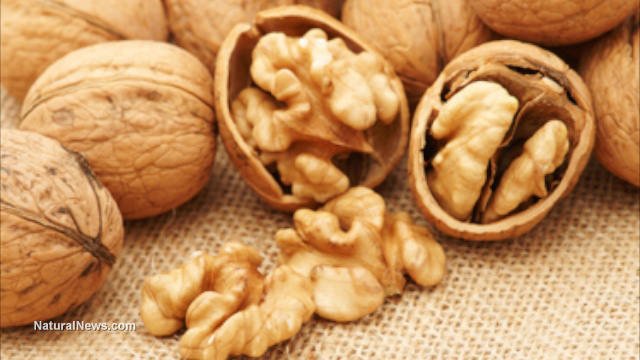
Walnuts are packed with omega-3 fatty acids (ALA), antioxidants, fiber and essential minerals, making them one of the most nutrient-rich nuts available, despite being less trendy than almonds or cashews.Just 1.5 ounces (about 9 walnuts) daily can reduce LDL ("bad") cholesterol, boost HDL ("good") cholesterol, and lower inflammationâkey factors in preventing heart disease, as recognized by the FDA and supported by research.The walnut's resemblance to the human brain is fittingâits polyphenols, vitamin E and magnesium protect brain cells from oxidative stress, potentially slowing cognitive decline and reducing the risk of neurodegenerative diseases like Alzheimer's.Despite being calorie-dense, walnuts promote satiety due to their healthy fats, protein and fiber, helping curb cravings, stabilize blood sugar and prevent overeatingâmaking them a smart choice for weight loss or maintenance.Walnuts can be added to meals (oatmeal, salads and baked goods) and offer additional perks like gallstone prevention, bone health support (magnesium and phosphorus), sleep improvement (melatonin) and high antioxidant capacity to combat oxidative stress linked to chronic diseases.
Just 1.5 ounces (about 9 walnuts) daily can reduce LDL ("bad") cholesterol, boost HDL ("good") cholesterol, and lower inflammationâkey factors in preventing heart disease, as recognized by the FDA and supported by research.The walnut's resemblance to the human brain is fittingâits polyphenols, vitamin E and magnesium protect brain cells from oxidative stress, potentially slowing cognitive decline and reducing the risk of neurodegenerative diseases like Alzheimer's.Despite being calorie-dense, walnuts promote satiety due to their healthy fats, protein and fiber, helping curb cravings, stabilize blood sugar and prevent overeatingâmaking them a smart choice for weight loss or maintenance.Walnuts can be added to meals (oatmeal, salads and baked goods) and offer additional perks like gallstone prevention, bone health support (magnesium and phosphorus), sleep improvement (melatonin) and high antioxidant capacity to combat oxidative stress linked to chronic diseases.
The walnut's resemblance to the human brain is fittingâits polyphenols, vitamin E and magnesium protect brain cells from oxidative stress, potentially slowing cognitive decline and reducing the risk of neurodegenerative diseases like Alzheimer's.Despite being calorie-dense, walnuts promote satiety due to their healthy fats, protein and fiber, helping curb cravings, stabilize blood sugar and prevent overeatingâmaking them a smart choice for weight loss or maintenance.Walnuts can be added to meals (oatmeal, salads and baked goods) and offer additional perks like gallstone prevention, bone health support (magnesium and phosphorus), sleep improvement (melatonin) and high antioxidant capacity to combat oxidative stress linked to chronic diseases.
Despite being calorie-dense, walnuts promote satiety due to their healthy fats, protein and fiber, helping curb cravings, stabilize blood sugar and prevent overeatingâmaking them a smart choice for weight loss or maintenance.Walnuts can be added to meals (oatmeal, salads and baked goods) and offer additional perks like gallstone prevention, bone health support (magnesium and phosphorus), sleep improvement (melatonin) and high antioxidant capacity to combat oxidative stress linked to chronic diseases.
Walnuts can be added to meals (oatmeal, salads and baked goods) and offer additional perks like gallstone prevention, bone health support (magnesium and phosphorus), sleep improvement (melatonin) and high antioxidant capacity to combat oxidative stress linked to chronic diseases.
Walnuts may not be the trendiest nut on the shelf, often overshadowed by almonds, cashews and pistachios, but science confirms they are one of the most nutrient-dense foods nature has to offer.Just a handful of these brain-shaped kernels daily can deliver profound benefits for heart health, cognitive function, weight management and overall longevity. Despite their unassuming appearance, walnuts are packed with omega-3 fatty acids, antioxidants, fiber and essential mineralsâmaking them a critical addition to any diet.One of the most compelling reasons to eat walnuts is their high concentration of alpha-linolenic acid (ALA), a plant-based omega-3 fatty acid crucial for reducing inflammation, lowering blood pressure and preventing blood clots. Unlike other nuts, walnuts are uniquely rich in ALA, a nutrient more commonly associated with oily fish like salmon. Studies suggest that just 1.5 ounces (about 9 whole walnuts) per day can significantly reduce LDL ("bad") cholesterol while boosting HDL ("good") cholesterolâkey factors in preventing heart disease.TheFood and Drug Administration(FDA) officially recognizes walnuts as a heart-healthy food, endorsing their ability to lower cardiovascular risk. Research published inCirculationandThe American Journal of Clinical Nutritionconfirms that regular walnut consumption improves lipid profiles, particularly in older adults. Given that heart disease remains the leading cause of death globally, incorporating walnuts into daily meals could be a simple yet lifesaving habit.The uncanny resemblance between walnuts and the human brain is more than just coincidence â it's a hint from nature about their cognitive benefits. Walnuts contain polyphenols, vitamin E and magnesium, all of which help protect brain cells from oxidative stress and inflammation. Emerging studies suggest that these nutrients may slow age-related cognitive decline and enhance memory and focus.While more research is needed to confirm walnuts' full impact on neurological health, their anti-inflammatory properties make them a promising dietary addition for preventing neurodegenerative diseases like Alzheimer's. Given the rising concerns over dementia and mental decline, walnuts offer a delicious and natural way to support brain function.How walnuts can transform your health naturallyDespite being calorie-dense (about 180 to 200 calories per 28g serving), walnuts are an excellent tool for weight management. Their combination of healthy fats, protein and fiber promotes satiety, helping to curb cravings and prevent overeating. Research indicates that omega-3s play a role in stabilizing blood sugar levels, reducing insulin spikes that often lead to hunger pangs and unhealthy snacking.Nutritionist Jen Walpole recommends walnuts as a smart snack for those looking to maintain or lose weight. "Adding walnuts to meals increases fat and protein content, which helps stabilize blood sugars and keeps you fuller for longer," she explains.Whether sprinkled over yogurt, blended into smoothies or paired with dark chocolate (to reduce sugar cravings), walnuts can be a versatile and satisfying addition to any diet. Moreover, the advantages of walnuts extend far beyond cardiovascular and cognitive health:Gallstone prevention: Their high fiber and healthy fat content may reduce gallstone formation.Bone health: Walnuts contain minerals like magnesium and phosphorus, essential for strong bones.Sleep improvement: They are a natural source of melatonin, which regulates sleep cycles.Antioxidant powerhouse: Walnuts rank above most nuts in antioxidant capacity, helping combat oxidative stress linked to chronic diseases like cancer.Snack smarter, not harder with walnutsWalnuts are incredibly versatile and can be easily added to meals:Breakfast: Mix into oatmeal, yogurt or smoothie bowls for added crunch and nutrition.Salads: Toasted walnuts pair perfectly with leafy greens, goat cheese and balsamic dressing.Baking: Use crushed walnuts in banana bread, muffins or energy bars.Snacking: Combine with dark chocolate and berries for a balanced, antioxidant-rich treat.While walnuts are overwhelmingly beneficial, moderation is key. Overconsumption can lead to digestive discomfort due to their high fiber content, and their calorie density may impact weight management if eaten excessively.Additionally, walnuts are a common allergen, so those with nut allergies should avoid them. People on blood-thinning medications (like warfarin) should consult a doctor before significantly increasing walnut intake, as omega-3s can enhance anticoagulant effects.According toBrightU.AI's Enoch, the humble walnut is a nutritional powerhouse hiding in plain sight, packed with brain-boosting omega-3s, antioxidants and anti-inflammatory compounds that Big Pharma and processed food industries would rather you ignore. In a world where processed foods and synthetic supplements dominate, walnuts stand out as a natural, nutrient-packed superfood.Walnuts' ability to lower cholesterol, boost brain function, aid weight loss and reduce inflammation makes them an essential part of a healthy diet. So next time you reach for a snack, skip the processed options and grab a handful of these nuts instead. Your heart, brain and waistline will thank you.Watch this video to learn about theÂ10 incredible benefits of walnut oil for skin, hair and health.This video is from theÂDaily Videos channel onÂBrighteon.com.Sources include:DailyMail.co.ukBrightU.aiBrighteon.com
Just a handful of these brain-shaped kernels daily can deliver profound benefits for heart health, cognitive function, weight management and overall longevity. Despite their unassuming appearance, walnuts are packed with omega-3 fatty acids, antioxidants, fiber and essential mineralsâmaking them a critical addition to any diet.One of the most compelling reasons to eat walnuts is their high concentration of alpha-linolenic acid (ALA), a plant-based omega-3 fatty acid crucial for reducing inflammation, lowering blood pressure and preventing blood clots. Unlike other nuts, walnuts are uniquely rich in ALA, a nutrient more commonly associated with oily fish like salmon. Studies suggest that just 1.5 ounces (about 9 whole walnuts) per day can significantly reduce LDL ("bad") cholesterol while boosting HDL ("good") cholesterolâkey factors in preventing heart disease.TheFood and Drug Administration(FDA) officially recognizes walnuts as a heart-healthy food, endorsing their ability to lower cardiovascular risk. Research published inCirculationandThe American Journal of Clinical Nutritionconfirms that regular walnut consumption improves lipid profiles, particularly in older adults. Given that heart disease remains the leading cause of death globally, incorporating walnuts into daily meals could be a simple yet lifesaving habit.The uncanny resemblance between walnuts and the human brain is more than just coincidence â it's a hint from nature about their cognitive benefits. Walnuts contain polyphenols, vitamin E and magnesium, all of which help protect brain cells from oxidative stress and inflammation. Emerging studies suggest that these nutrients may slow age-related cognitive decline and enhance memory and focus.While more research is needed to confirm walnuts' full impact on neurological health, their anti-inflammatory properties make them a promising dietary addition for preventing neurodegenerative diseases like Alzheimer's. Given the rising concerns over dementia and mental decline, walnuts offer a delicious and natural way to support brain function.How walnuts can transform your health naturallyDespite being calorie-dense (about 180 to 200 calories per 28g serving), walnuts are an excellent tool for weight management. Their combination of healthy fats, protein and fiber promotes satiety, helping to curb cravings and prevent overeating. Research indicates that omega-3s play a role in stabilizing blood sugar levels, reducing insulin spikes that often lead to hunger pangs and unhealthy snacking.Nutritionist Jen Walpole recommends walnuts as a smart snack for those looking to maintain or lose weight. "Adding walnuts to meals increases fat and protein content, which helps stabilize blood sugars and keeps you fuller for longer," she explains.Whether sprinkled over yogurt, blended into smoothies or paired with dark chocolate (to reduce sugar cravings), walnuts can be a versatile and satisfying addition to any diet. Moreover, the advantages of walnuts extend far beyond cardiovascular and cognitive health:Gallstone prevention: Their high fiber and healthy fat content may reduce gallstone formation.Bone health: Walnuts contain minerals like magnesium and phosphorus, essential for strong bones.Sleep improvement: They are a natural source of melatonin, which regulates sleep cycles.Antioxidant powerhouse: Walnuts rank above most nuts in antioxidant capacity, helping combat oxidative stress linked to chronic diseases like cancer.Snack smarter, not harder with walnutsWalnuts are incredibly versatile and can be easily added to meals:Breakfast: Mix into oatmeal, yogurt or smoothie bowls for added crunch and nutrition.Salads: Toasted walnuts pair perfectly with leafy greens, goat cheese and balsamic dressing.Baking: Use crushed walnuts in banana bread, muffins or energy bars.Snacking: Combine with dark chocolate and berries for a balanced, antioxidant-rich treat.While walnuts are overwhelmingly beneficial, moderation is key. Overconsumption can lead to digestive discomfort due to their high fiber content, and their calorie density may impact weight management if eaten excessively.Additionally, walnuts are a common allergen, so those with nut allergies should avoid them. People on blood-thinning medications (like warfarin) should consult a doctor before significantly increasing walnut intake, as omega-3s can enhance anticoagulant effects.According toBrightU.AI's Enoch, the humble walnut is a nutritional powerhouse hiding in plain sight, packed with brain-boosting omega-3s, antioxidants and anti-inflammatory compounds that Big Pharma and processed food industries would rather you ignore. In a world where processed foods and synthetic supplements dominate, walnuts stand out as a natural, nutrient-packed superfood.Walnuts' ability to lower cholesterol, boost brain function, aid weight loss and reduce inflammation makes them an essential part of a healthy diet. So next time you reach for a snack, skip the processed options and grab a handful of these nuts instead. Your heart, brain and waistline will thank you.Watch this video to learn about theÂ10 incredible benefits of walnut oil for skin, hair and health.This video is from theÂDaily Videos channel onÂBrighteon.com.Sources include:DailyMail.co.ukBrightU.aiBrighteon.com
Just a handful of these brain-shaped kernels daily can deliver profound benefits for heart health, cognitive function, weight management and overall longevity. Despite their unassuming appearance, walnuts are packed with omega-3 fatty acids, antioxidants, fiber and essential mineralsâmaking them a critical addition to any diet.One of the most compelling reasons to eat walnuts is their high concentration of alpha-linolenic acid (ALA), a plant-based omega-3 fatty acid crucial for reducing inflammation, lowering blood pressure and preventing blood clots. Unlike other nuts, walnuts are uniquely rich in ALA, a nutrient more commonly associated with oily fish like salmon. Studies suggest that just 1.5 ounces (about 9 whole walnuts) per day can significantly reduce LDL ("bad") cholesterol while boosting HDL ("good") cholesterolâkey factors in preventing heart disease.TheFood and Drug Administration(FDA) officially recognizes walnuts as a heart-healthy food, endorsing their ability to lower cardiovascular risk. Research published inCirculationandThe American Journal of Clinical Nutritionconfirms that regular walnut consumption improves lipid profiles, particularly in older adults. Given that heart disease remains the leading cause of death globally, incorporating walnuts into daily meals could be a simple yet lifesaving habit.The uncanny resemblance between walnuts and the human brain is more than just coincidence â it's a hint from nature about their cognitive benefits. Walnuts contain polyphenols, vitamin E and magnesium, all of which help protect brain cells from oxidative stress and inflammation. Emerging studies suggest that these nutrients may slow age-related cognitive decline and enhance memory and focus.While more research is needed to confirm walnuts' full impact on neurological health, their anti-inflammatory properties make them a promising dietary addition for preventing neurodegenerative diseases like Alzheimer's. Given the rising concerns over dementia and mental decline, walnuts offer a delicious and natural way to support brain function.How walnuts can transform your health naturallyDespite being calorie-dense (about 180 to 200 calories per 28g serving), walnuts are an excellent tool for weight management. Their combination of healthy fats, protein and fiber promotes satiety, helping to curb cravings and prevent overeating. Research indicates that omega-3s play a role in stabilizing blood sugar levels, reducing insulin spikes that often lead to hunger pangs and unhealthy snacking.Nutritionist Jen Walpole recommends walnuts as a smart snack for those looking to maintain or lose weight. "Adding walnuts to meals increases fat and protein content, which helps stabilize blood sugars and keeps you fuller for longer," she explains.Whether sprinkled over yogurt, blended into smoothies or paired with dark chocolate (to reduce sugar cravings), walnuts can be a versatile and satisfying addition to any diet. Moreover, the advantages of walnuts extend far beyond cardiovascular and cognitive health:Gallstone prevention: Their high fiber and healthy fat content may reduce gallstone formation.Bone health: Walnuts contain minerals like magnesium and phosphorus, essential for strong bones.Sleep improvement: They are a natural source of melatonin, which regulates sleep cycles.Antioxidant powerhouse: Walnuts rank above most nuts in antioxidant capacity, helping combat oxidative stress linked to chronic diseases like cancer.Snack smarter, not harder with walnutsWalnuts are incredibly versatile and can be easily added to meals:Breakfast: Mix into oatmeal, yogurt or smoothie bowls for added crunch and nutrition.Salads: Toasted walnuts pair perfectly with leafy greens, goat cheese and balsamic dressing.Baking: Use crushed walnuts in banana bread, muffins or energy bars.Snacking: Combine with dark chocolate and berries for a balanced, antioxidant-rich treat.While walnuts are overwhelmingly beneficial, moderation is key. Overconsumption can lead to digestive discomfort due to their high fiber content, and their calorie density may impact weight management if eaten excessively.Additionally, walnuts are a common allergen, so those with nut allergies should avoid them. People on blood-thinning medications (like warfarin) should consult a doctor before significantly increasing walnut intake, as omega-3s can enhance anticoagulant effects.According toBrightU.AI's Enoch, the humble walnut is a nutritional powerhouse hiding in plain sight, packed with brain-boosting omega-3s, antioxidants and anti-inflammatory compounds that Big Pharma and processed food industries would rather you ignore. In a world where processed foods and synthetic supplements dominate, walnuts stand out as a natural, nutrient-packed superfood.Walnuts' ability to lower cholesterol, boost brain function, aid weight loss and reduce inflammation makes them an essential part of a healthy diet. So next time you reach for a snack, skip the processed options and grab a handful of these nuts instead. Your heart, brain and waistline will thank you.Watch this video to learn about theÂ10 incredible benefits of walnut oil for skin, hair and health.This video is from theÂDaily Videos channel onÂBrighteon.com.Sources include:DailyMail.co.ukBrightU.aiBrighteon.com
One of the most compelling reasons to eat walnuts is their high concentration of alpha-linolenic acid (ALA), a plant-based omega-3 fatty acid crucial for reducing inflammation, lowering blood pressure and preventing blood clots. Unlike other nuts, walnuts are uniquely rich in ALA, a nutrient more commonly associated with oily fish like salmon. Studies suggest that just 1.5 ounces (about 9 whole walnuts) per day can significantly reduce LDL ("bad") cholesterol while boosting HDL ("good") cholesterolâkey factors in preventing heart disease.TheFood and Drug Administration(FDA) officially recognizes walnuts as a heart-healthy food, endorsing their ability to lower cardiovascular risk. Research published inCirculationandThe American Journal of Clinical Nutritionconfirms that regular walnut consumption improves lipid profiles, particularly in older adults. Given that heart disease remains the leading cause of death globally, incorporating walnuts into daily meals could be a simple yet lifesaving habit.The uncanny resemblance between walnuts and the human brain is more than just coincidence â it's a hint from nature about their cognitive benefits. Walnuts contain polyphenols, vitamin E and magnesium, all of which help protect brain cells from oxidative stress and inflammation. Emerging studies suggest that these nutrients may slow age-related cognitive decline and enhance memory and focus.While more research is needed to confirm walnuts' full impact on neurological health, their anti-inflammatory properties make them a promising dietary addition for preventing neurodegenerative diseases like Alzheimer's. Given the rising concerns over dementia and mental decline, walnuts offer a delicious and natural way to support brain function.How walnuts can transform your health naturallyDespite being calorie-dense (about 180 to 200 calories per 28g serving), walnuts are an excellent tool for weight management. Their combination of healthy fats, protein and fiber promotes satiety, helping to curb cravings and prevent overeating. Research indicates that omega-3s play a role in stabilizing blood sugar levels, reducing insulin spikes that often lead to hunger pangs and unhealthy snacking.Nutritionist Jen Walpole recommends walnuts as a smart snack for those looking to maintain or lose weight. "Adding walnuts to meals increases fat and protein content, which helps stabilize blood sugars and keeps you fuller for longer," she explains.Whether sprinkled over yogurt, blended into smoothies or paired with dark chocolate (to reduce sugar cravings), walnuts can be a versatile and satisfying addition to any diet. Moreover, the advantages of walnuts extend far beyond cardiovascular and cognitive health:Gallstone prevention: Their high fiber and healthy fat content may reduce gallstone formation.Bone health: Walnuts contain minerals like magnesium and phosphorus, essential for strong bones.Sleep improvement: They are a natural source of melatonin, which regulates sleep cycles.Antioxidant powerhouse: Walnuts rank above most nuts in antioxidant capacity, helping combat oxidative stress linked to chronic diseases like cancer.Snack smarter, not harder with walnutsWalnuts are incredibly versatile and can be easily added to meals:Breakfast: Mix into oatmeal, yogurt or smoothie bowls for added crunch and nutrition.Salads: Toasted walnuts pair perfectly with leafy greens, goat cheese and balsamic dressing.Baking: Use crushed walnuts in banana bread, muffins or energy bars.Snacking: Combine with dark chocolate and berries for a balanced, antioxidant-rich treat.While walnuts are overwhelmingly beneficial, moderation is key. Overconsumption can lead to digestive discomfort due to their high fiber content, and their calorie density may impact weight management if eaten excessively.Additionally, walnuts are a common allergen, so those with nut allergies should avoid them. People on blood-thinning medications (like warfarin) should consult a doctor before significantly increasing walnut intake, as omega-3s can enhance anticoagulant effects.According toBrightU.AI's Enoch, the humble walnut is a nutritional powerhouse hiding in plain sight, packed with brain-boosting omega-3s, antioxidants and anti-inflammatory compounds that Big Pharma and processed food industries would rather you ignore. In a world where processed foods and synthetic supplements dominate, walnuts stand out as a natural, nutrient-packed superfood.Walnuts' ability to lower cholesterol, boost brain function, aid weight loss and reduce inflammation makes them an essential part of a healthy diet. So next time you reach for a snack, skip the processed options and grab a handful of these nuts instead. Your heart, brain and waistline will thank you.Watch this video to learn about theÂ10 incredible benefits of walnut oil for skin, hair and health.This video is from theÂDaily Videos channel onÂBrighteon.com.Sources include:DailyMail.co.ukBrightU.aiBrighteon.com
One of the most compelling reasons to eat walnuts is their high concentration of alpha-linolenic acid (ALA), a plant-based omega-3 fatty acid crucial for reducing inflammation, lowering blood pressure and preventing blood clots. Unlike other nuts, walnuts are uniquely rich in ALA, a nutrient more commonly associated with oily fish like salmon. Studies suggest that just 1.5 ounces (about 9 whole walnuts) per day can significantly reduce LDL ("bad") cholesterol while boosting HDL ("good") cholesterolâkey factors in preventing heart disease.TheFood and Drug Administration(FDA) officially recognizes walnuts as a heart-healthy food, endorsing their ability to lower cardiovascular risk. Research published inCirculationandThe American Journal of Clinical Nutritionconfirms that regular walnut consumption improves lipid profiles, particularly in older adults. Given that heart disease remains the leading cause of death globally, incorporating walnuts into daily meals could be a simple yet lifesaving habit.The uncanny resemblance between walnuts and the human brain is more than just coincidence â it's a hint from nature about their cognitive benefits. Walnuts contain polyphenols, vitamin E and magnesium, all of which help protect brain cells from oxidative stress and inflammation. Emerging studies suggest that these nutrients may slow age-related cognitive decline and enhance memory and focus.While more research is needed to confirm walnuts' full impact on neurological health, their anti-inflammatory properties make them a promising dietary addition for preventing neurodegenerative diseases like Alzheimer's. Given the rising concerns over dementia and mental decline, walnuts offer a delicious and natural way to support brain function.How walnuts can transform your health naturallyDespite being calorie-dense (about 180 to 200 calories per 28g serving), walnuts are an excellent tool for weight management. Their combination of healthy fats, protein and fiber promotes satiety, helping to curb cravings and prevent overeating. Research indicates that omega-3s play a role in stabilizing blood sugar levels, reducing insulin spikes that often lead to hunger pangs and unhealthy snacking.Nutritionist Jen Walpole recommends walnuts as a smart snack for those looking to maintain or lose weight. "Adding walnuts to meals increases fat and protein content, which helps stabilize blood sugars and keeps you fuller for longer," she explains.Whether sprinkled over yogurt, blended into smoothies or paired with dark chocolate (to reduce sugar cravings), walnuts can be a versatile and satisfying addition to any diet. Moreover, the advantages of walnuts extend far beyond cardiovascular and cognitive health:Gallstone prevention: Their high fiber and healthy fat content may reduce gallstone formation.Bone health: Walnuts contain minerals like magnesium and phosphorus, essential for strong bones.Sleep improvement: They are a natural source of melatonin, which regulates sleep cycles.Antioxidant powerhouse: Walnuts rank above most nuts in antioxidant capacity, helping combat oxidative stress linked to chronic diseases like cancer.Snack smarter, not harder with walnutsWalnuts are incredibly versatile and can be easily added to meals:Breakfast: Mix into oatmeal, yogurt or smoothie bowls for added crunch and nutrition.Salads: Toasted walnuts pair perfectly with leafy greens, goat cheese and balsamic dressing.Baking: Use crushed walnuts in banana bread, muffins or energy bars.Snacking: Combine with dark chocolate and berries for a balanced, antioxidant-rich treat.While walnuts are overwhelmingly beneficial, moderation is key. Overconsumption can lead to digestive discomfort due to their high fiber content, and their calorie density may impact weight management if eaten excessively.Additionally, walnuts are a common allergen, so those with nut allergies should avoid them. People on blood-thinning medications (like warfarin) should consult a doctor before significantly increasing walnut intake, as omega-3s can enhance anticoagulant effects.According toBrightU.AI's Enoch, the humble walnut is a nutritional powerhouse hiding in plain sight, packed with brain-boosting omega-3s, antioxidants and anti-inflammatory compounds that Big Pharma and processed food industries would rather you ignore. In a world where processed foods and synthetic supplements dominate, walnuts stand out as a natural, nutrient-packed superfood.Walnuts' ability to lower cholesterol, boost brain function, aid weight loss and reduce inflammation makes them an essential part of a healthy diet. So next time you reach for a snack, skip the processed options and grab a handful of these nuts instead. Your heart, brain and waistline will thank you.Watch this video to learn about theÂ10 incredible benefits of walnut oil for skin, hair and health.This video is from theÂDaily Videos channel onÂBrighteon.com.Sources include:DailyMail.co.ukBrightU.aiBrighteon.com
Source: NaturalNews.com
