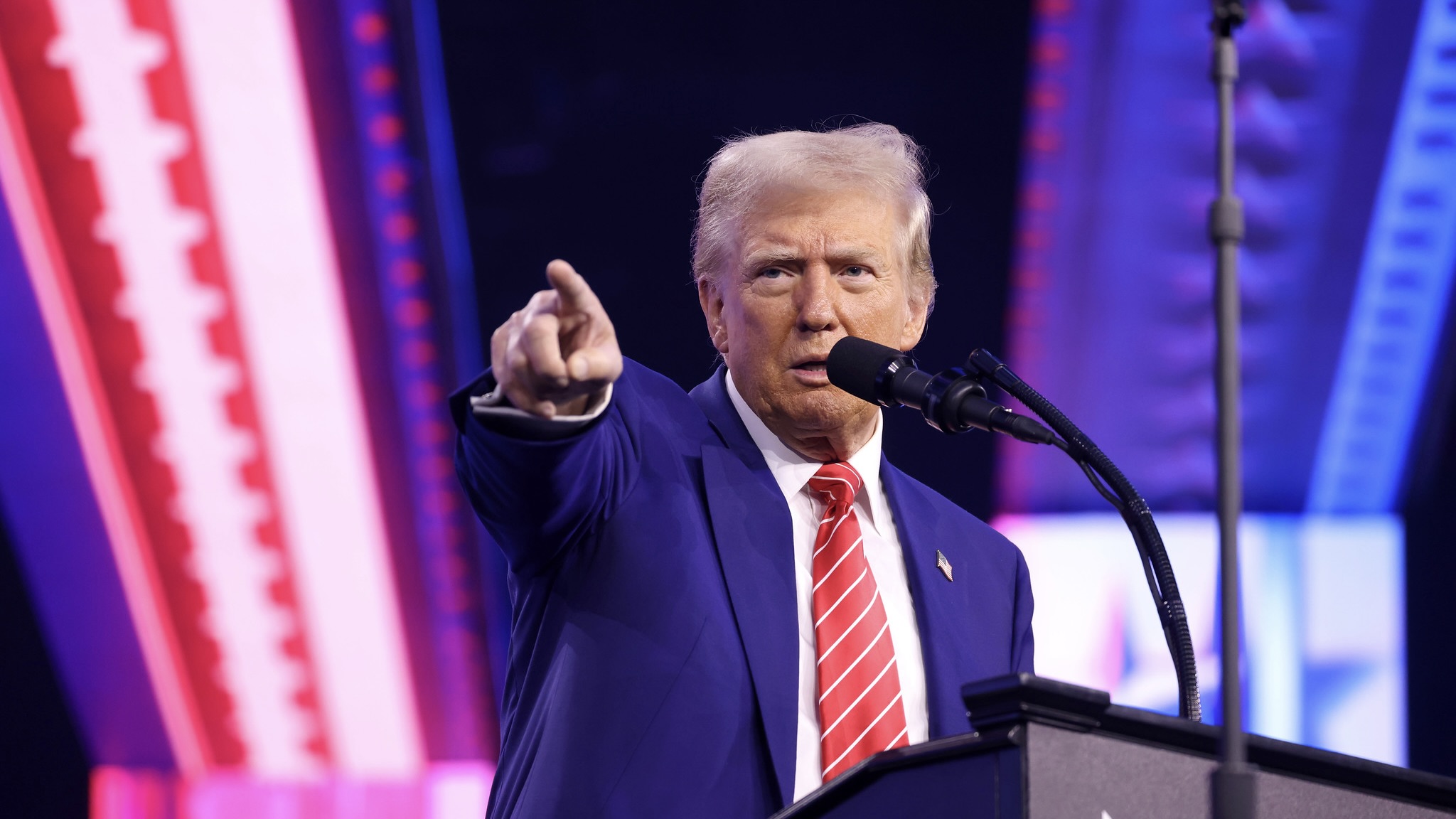
President Donald Trumphas abruptly dismissed all scientists serving on the National Science Board. The sudden termination removes the independent oversight body responsible for guiding the National Science Foundation and its substantial federal budget.
Members received unexpected notifications from the Presidential Personnel Office on 24 April. Politicians and researchers quickly pushed back against the sudden change, leaving many worried about what this means for the future of federal science funding.
The National Science Foundation manages a nearly £6.7 billion ($9 billion) budget to support fundamental scientific research across the United States. Its funding has historically supported the development of essential technologies, including mobile phones, magnetic resonance imaging machines, and LASIK eye surgery.
Sacked board members received a brief digital message thanking them for their service before announcing their immediate removal. Screenshots of the communication read: 'On behalf of President Donald J. Trump, I'm writing to inform you that your position as a member of the National Science Board is terminated, effective immediately.'
Keivan Stassun, an astronomer and physicist at Vanderbilt University who joined the board in 2022, confirmed that at least a third of his colleagues had received identical boilerplate emails at the time he spoke to reporters; multiple sources subsequently confirmed all 24 members had been dismissed. Stassun noted the messages offered no justification for the sudden dismissals.
Established in 1950, the National Science Board consists of up to 25 scientists and engineers appointed by the president to serve staggered six-year terms. This structure was designed to provide continuity across changing administrations.
Marvi Matos Rodriguez, a senior vice president in the fusion energy sector, was among those terminated. She explained the importance of the board's structure: 'The idea of having six-year terms is you get to do something significant, impactful and go beyond administrations, political administrations.'
Matos Rodriguez highlighted the extensive dedication required, stating she frequently reviewed lengthy reports. 'I serve the board at nights and on weekends,' she said, emphasising the demanding nature of the advisory role.
The board plays a critical part in approving significant expenditures, such as the construction of an Antarctic research vessel, and holding the foundation to rigorous intellectual standards. Following a proposed 55 per cent budget cut last year that Congress rejected, the president proposed deep reductions for fiscal year 2027.
Stassun questioned whether the mass dismissals correlate with the board's ongoing efforts to advise Congress about the necessity of maintaining robust scientific investments. Representative Zoe Lofgren of California sharply criticised the decision.
Source: International Business Times UK
