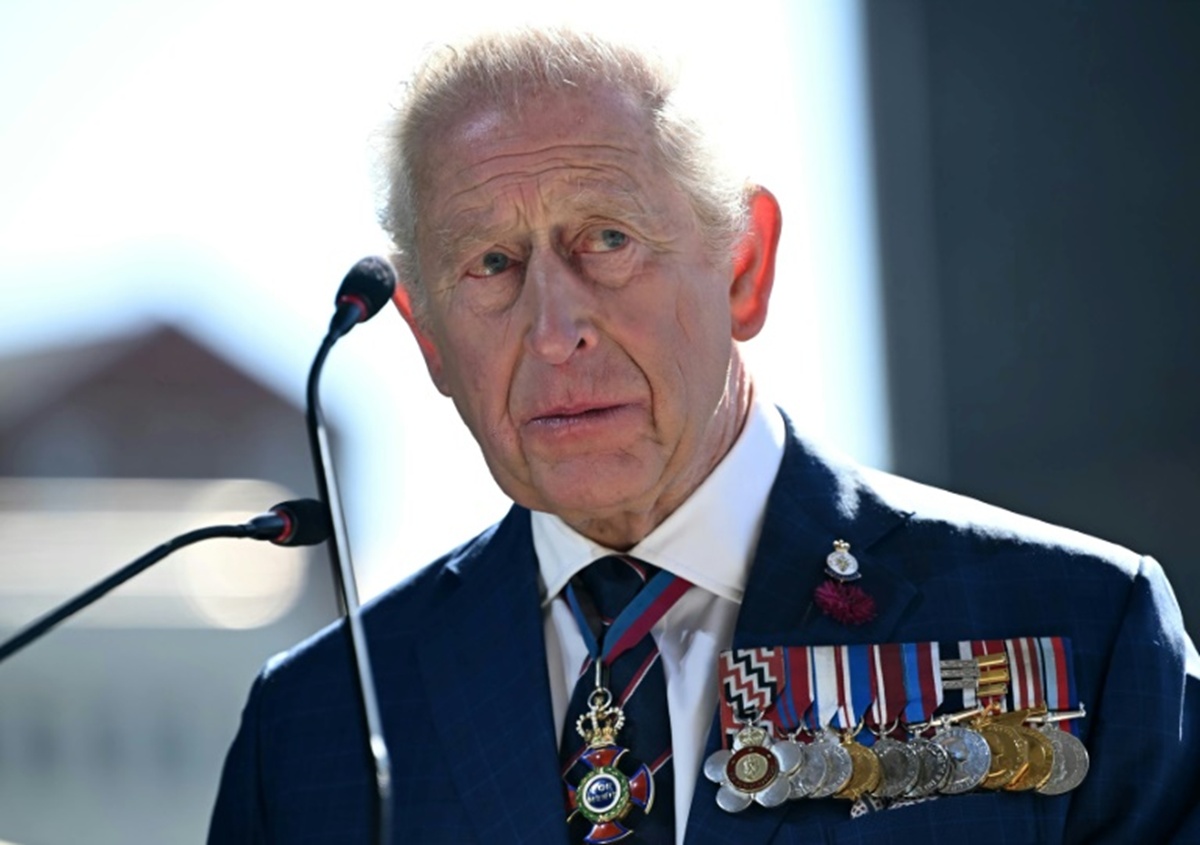
King Charles is still receivingcancer treatmentin 2026 but is 'the happiest he's ever been' in his role as monarch, according to a leading royal biographer who has watched his first years on the throne at close quarters.
For context, Buckingham Palace announced in early 2024 that King Charles had been diagnosed with an unspecified form of cancer following treatment for a benign enlarged prostate. The Palace confirmed at the time that the disease was caught during those tests, but did not disclose the type or stage of the cancer, and it has not issued any detailed medical update since. What it did say was that the King would step back temporarily from public-facing duties while continuing with state business and his red boxes behind the scenes.
That pause turned out to be brief. Within months, King Charles was back on the road, cutting ribbons, unveiling plaques, and inspecting parades, apparently determined to show that his reign would not be defined solely by his health. Those close to him now say the King has moved into a new phase: managing ongoing treatment while leaning harder than ever into the work he spent decades preparing for.
Royal biographer Robert Hardman, speaking toMarie Clairemagazine, painted a portrait of a man not ground down by illness, but energised by finally doing the job that has loomed over his entire adult life.
'He is, I would say, as happy as I've ever seen him,' Hardman said, reflecting on King Charles's mood since his accession in 2022. The author, who has chronicled the modern monarchy for years, described a monarch approaching his duties with 'genuine purpose and energy' and someone who 'appears to thoroughly enjoy his job.'
Hardman's assessment chimes with how King Charles has long been described by those who work with him: an obsessive note-scribbler and relentless scheduler whose idea of a quiet night is a desk stacked with briefing papers. 'He's never been shy of work,' Hardman added. The King, he said, is 'quite happy staying up all night and being handed extra bundles of work,' before summing him up bluntly: 'Charles is a deep thinker. He's a reader. He's a workaholic.'
The timing of Hardman's comments matters. Nearly two years after hiscancer diagnosis, Buckingham Palace has not declared the King to be in remission, nor has it said his treatment has ended. The working assumption in royal circles is that some form of treatment or monitoring is continuing in the background, even if that is not spelled out in medical bulletins.
Nothing in the publicly available information confirms that his cancer is cured, so any optimism about his prognosis still comes with qualifications attached and should be taken with a degree of caution.
If you speak to those who cover the Palace for a living, the same word keeps resurfacing about King Charles: workaholic. TheDaily Mail's royal editorRebecca Englishhas previously written that King Charles 'famously packs in ten to 12 engagements and meetings a day and spends many a night alone in his study, furiously writing letters and keeping up with his paperwork, well into the early hours.'
It is a slightly old-fashioned picture of kingship, built less on pageantry and more on grind. When he was Prince of Wales, King Charles was the longest-serving heir apparent in British history, often caricatured as impatient for the top job. In reality, that long apprenticeship appears to have created a monarch who refuses to idle now that his moment has come.
Source: International Business Times UK
