Teen boys are increasingly turning to AI girlfriends for companionship in 2026, with researchers and academics warning that the trend may be reshaping social development and workplace readiness.
The discussion, reported in studies cited by Male Allies UK and commentary from education and AI specialists, centres on young users preferring AI interactions because they offer 'maximum control, zero rejection.'
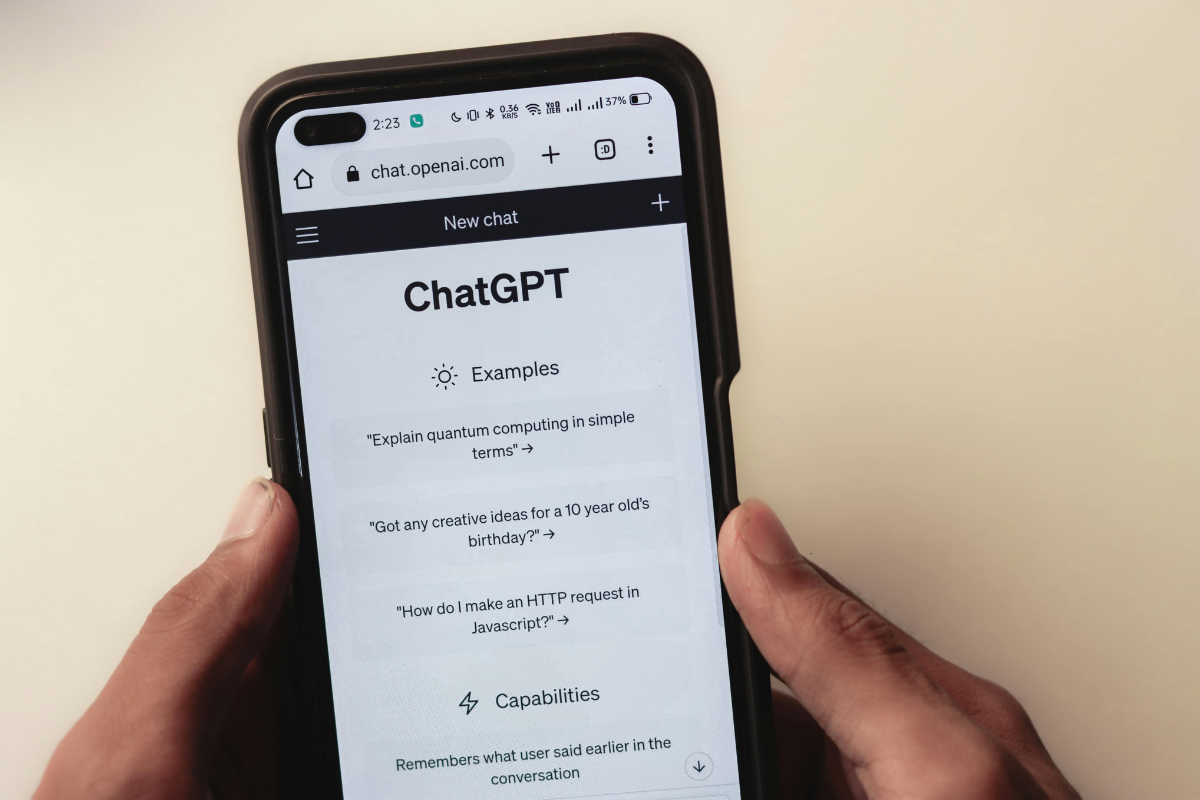
As reported byFortunate, there is growing adoption ofchatbot companionsamong adolescents, particularly teenage boys, who are spending more time interacting with AI systems designed to simulateromantic or friendly relationships. Experts say the appeal lies not only in convenience but in predictability, where emotional uncertainty and social risk are removed from the interaction entirely.
Research cited by Male Allies UK suggests that around 20% of boys aged 12 to 16 know someone who is 'dating' an AI chatbot, while 85% have spoken to one themselves. More than a quarter reportedly said they prefer the attention they receive from AI companions over real-world interaction, with 58% describing AI relationships as easier because they can control the conversation.
The appeal comes from how predictable AI feels. It removes emotional difficulties from conversations. The idea is that AI companionship can feel like intimacy without rejection, arguments, or surprises — things that are normal in real relationships.
But this is also what concerns researchers. They say that relationships without challenges may not help young people learn important life skills. In real life, people need to learn how to handle disagreements, communicate and understand emotions. These skills are usually developed through friendships, dating and everyday social interactions.
Researchers are less worried about the technology itself and more about what it might replace. Professor Alessia Paccagnini of UCD Michael Smurfit Graduate Business School explains that social skills develop through real human interaction, which is not always perfect. People learn how to understand tone, notice pauses in conversation and handle disagreements — skills that AI cannot fully teach.
There is also concern that this could affect work life. Some employers say younger workers struggle with communication, speaking confidently in meetings and dealing with feedback. Because of this, some companies now offer basic communication training for new graduates. They worry that growing up with mostly digital communication may affect early job performance.
Workplace studies also show that some entry-level Gen Z employees leave jobs more often, and managers sometimes point to communication issues as a reason. While there are many possible causes, some experts believe that less face-to-face interaction during important developmental years may be a factor.
Professor Raoul V. Kübler of ESSEC Business School says AI companionship may teach people to expect relationships without conflict or compromise. He warns that while this may feel easier, it does not reflect real-life relationships or work environments.
Source: International Business Times UK
