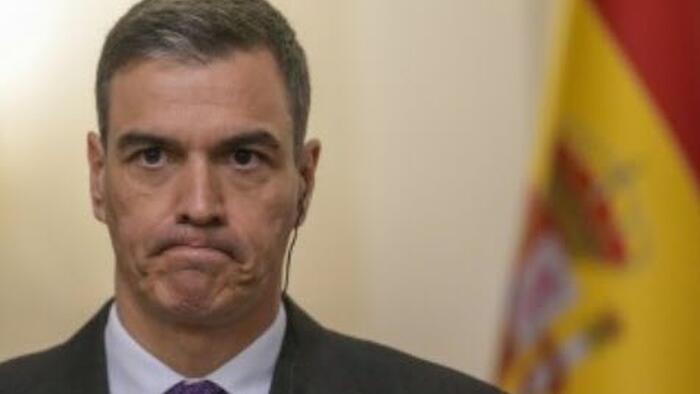
Spain's Prime Minister Pedro Sánchez faces accusations of wielding state power to silence critics as corruption probes intensify around his inner circle. With his wife, Begoña Gómez, under judicial investigation for alleged influence peddling and his brother, David Sánchez, implicated in a tax fraud case, the socialist leader has pushed forward aggressive media regulations that opponents decry as a desperate cover-up. The timing couldn't be more suspicious, coinciding with leaked audios and damaging testimonies that paint a picture of nepotism at the highest levels of government.
At the heart of the scandal is Gómez, a university director whose nonprofit foundation, the Complutense Institute for International Public Affairs, stands accused of securing public contracts in exchange for favors. Prosecutors allege she leveraged her position to broker deals benefiting associates, including a businessman whose wife testified against her. Meanwhile, David Sánchez's regional employment role in Badajoz has drawn scrutiny for inflated salaries and opaque hiring practices, fueling claims of familial cronyism. Sánchez has dismissed these as politically motivated smears by the right-wing opposition, but fresh evidence continues to emerge, eroding public trust in his administration.
In response, the government introduced a contentious bill mandating social media platforms to remove "disinformation" within hours or face multimillion-euro fines, with the executive branch empowered to define violations. Critics, including the Popular Party (PP) and Vox, argue this grants Sánchez unchecked authority to censor unfavorable coverage, echoing tactics in authoritarian regimes. The measure builds on prior efforts like the "democratic memory" law, which already curbs historical discourse, but this latest push targets digital platforms amid a surge in investigative reporting on the scandals.
Public outrage has boiled over into street protests, with tens of thousands rallying in Madrid against what they call a "coup against democracy." International watchdogs, including Reporters Without Borders, have sounded alarms, noting Spain's press freedom ranking has slipped amid rising government pressure on media outlets. The European Commission, typically aligned with progressive policies, has urged caution, highlighting tensions within the EU over balancing security and speech.
Analysts see this as a high-stakes gamble for Sánchez, whose minority coalition relies on fragile pacts with separatist parties. If the censorship bill passes, it could shield his family from further scrutiny but at the cost of alienating moderates and inviting legal challenges. With regional elections looming, the prime minister's strategy risks accelerating the unraveling of his PSOE party, mirroring the downfall of past leaders ensnared by graft. Spain's democracy hangs in the balance, testing whether truth can survive in an era of politicized information control.
