WASHINGTON (AP) — President Donald Trump has made it clear he expects his choice for Federal Reserve chair to quickly cut interest rates once he takes office. Yet Americans shouldn’t pencil in lower borrowing costs for mortgages, auto loans, or business loans just yet.
The odds of Kevin Warsh becoming chair by the time Jerome Powell's term ends May 15 shot higher Friday when U.S. Attorney for Washington, D.C., Jeanine Pirro, said she would drop her probe into Powell over his testimony last summer about the Fed’s costly building renovations.
But should he be confirmed, Warsh will still face several hurdles to reducing rates, including rising gas prices that are pushing up inflation, questions about his political independence, and 11 other Fed policymakers who have a vote on the decision, with most of them not ready to cut.
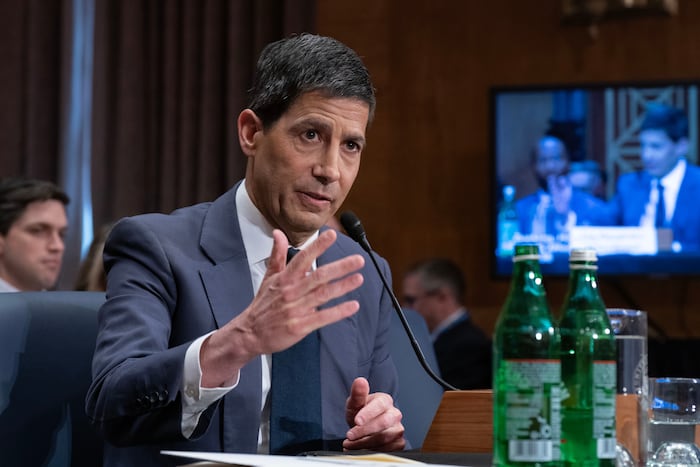
At a Senate hearing Tuesday, Warsh pledged to be independent from White House pressure, but said relatively little about the direction he would take rates. While economists say he was likely just being cautious, he missed a chance to lay out an argument for rate cuts.
“Warsh’s stated outlook is much more consistent with an extended hold than additional cuts,” Aditya Bhave, head of U.S. economics at BofA Securities, wrote in a client note.
Trump, meanwhile, has kept up the pressure. When asked last week on Fox Business whether he still expects interest rates to decline, Trump said, “when Kevin gets in, I do ... interest rates should be much lower.”
Here's what you need to know about Warsh and what he will face as next Fed chair:
Rising inflation will make it harder to cut rates
Warsh, who was a member of the Fed's governing board from 2006 to 2011, regularly argued for rate cuts last year as he sought Trump's nomination to replace Powell. But since being named in late January, he has kept quiet, and hasn't made any public comments since the Iran war started Feb. 28.
The war has pushed up oil and gas prices, which caused inflation to spike to a two-year high of 3.3% in March, above the Fed's target of 2%. The Fed typically keeps its short-term rate — currently at about 3.6% — elevated to combat inflation, or even raises it.
Source: WPLG
