The well sits back from the road, half-swallowed by trees and undergrowth, the kind of structure you only notice if someone points directly at it. In rural Sissonville, West Virginia, there are plenty like it – relics from an older way of living, scattered across private land and left to rust quietly into the hillside.
One of them now carries a different weight. It is no longer just an old water source, but the place where investigators say 26‑year‑old Cheyenne Johnson's body was hidden after she was shot in the head with a rifle, bound with ratchet straps and dumped out of sight.
In Kanawha County's courts this week, that well finally yielded its verdict.
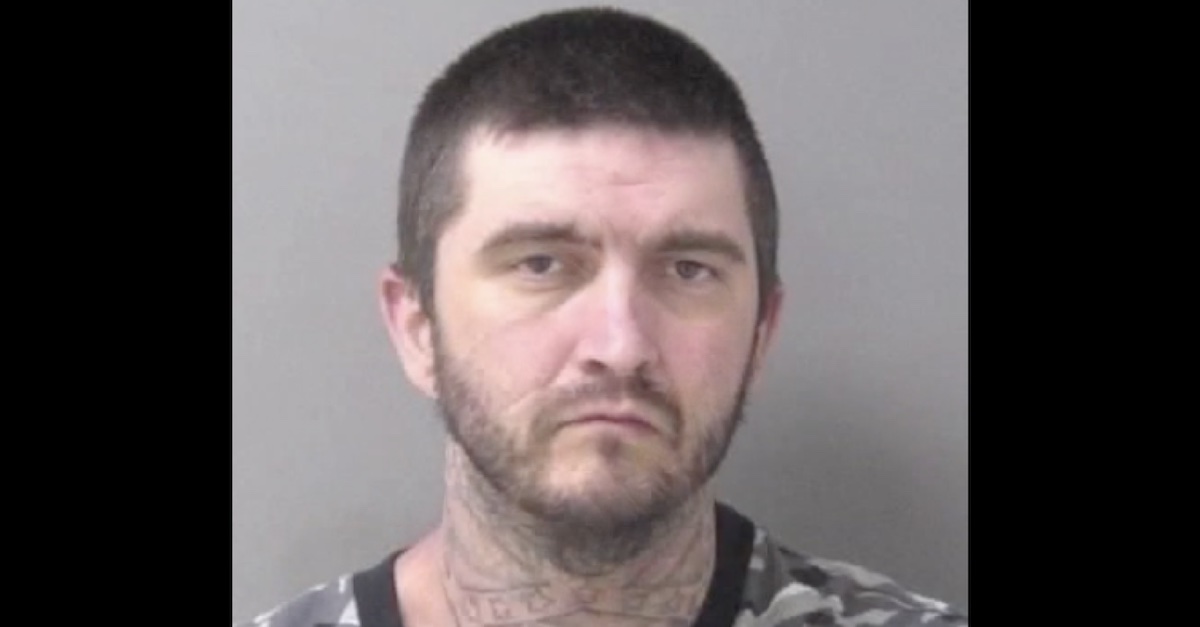
More than three years after Johnson was first reported missing in 2021, a Kanawha County judge has sentenced Michael Wayne Smith to life in prison for hermurder. Under West Virginia law, it is life with the possibility of parole after the minimum term, but the message is unmistakable: the state believes what happened in those woods outside Sissonville was deliberate, calculated and unforgivable.
Prosecutors laid out a narrative that did not require rhetorical flourish. A rifle shot. A young woman dead. Ratchet straps cinched around her body. A well in a wooded area, repurposed from storing water to concealing a corpse. It is the kind of detail that lodges in the mind precisely because it feels so cold-blooded.
When Johnson was first reported missing, there was none of that clarity. Families in Appalachia know the uncertainty of a disappearance: people drift between counties, phones fail, cars break down. At the start, this was a missing person case, another line item in an already stretched sheriff's office.
That changed the moment search teams located the well and recovered Johnson's remains. From that point, the investigation hardened. Forensics, ballistics, phone records, timelines – all the slow, painstaking machinery of a homicide case began to grind into gear. What had been an absence became a crime scene.
Smith's eventual conviction came with additional penalties for related offences, loading extra years onto an already crushing sentence. But the legal architecture, heavy as it is, only tells part of the story. The real pivot in the Kanawha County murder case did not come from a lab report. It came from the witness stand.
In a move that still has people in Sissonville talking, Smith's girlfriend, Virginia Smith, agreed to testify against him.
Her cooperation with prosecutors was more than a procedural footnote. For jurors trying to make sense of events that mostly unfolded far from public view, her account offered something forensic evidence rarely can: context. What was said before the killing. What happened afterwards. Who knew what, and when.
Source: International Business Times UK
