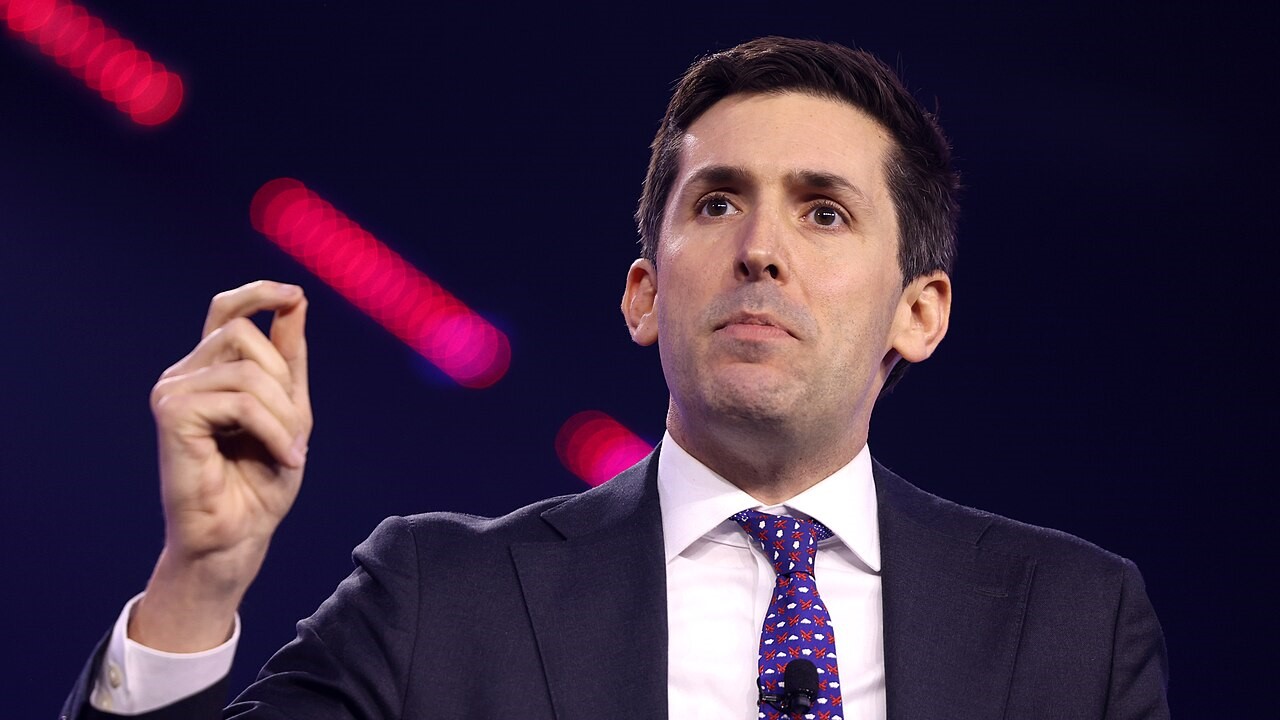
The controversy surrounding Calley Means, a senior aide to Robert F Kennedy Jr, has ignited a broader debate about ethics and influence within the US Department of Health and Human Services (HHS), particularly as theTrump administration pushes sweeping healthcare reforms. Documents from an ethics office within HHS show Means held between $25 million and $50 million (approximately £19 million to £37 million) in Truemed shares through November 2025, while continuing to serve as the company's president.
Means founded Truemed, a company marketing HSA-eligible wellness products, while simultaneously advising on the federal policies that govern them.
Calley Means' career in public service began early, with a White House internship in 2005 that laid the foundation for his trajectory in politics and policy. He later held analytical roles at the Heritage Foundation and consulting positions at Booz Allen Hamilton, gaining experience in governance and strategic advisory work.
Before turning to public health advocacy, Means worked as a corporate consultant for the food and pharmaceutical industries, advising companies seeking to defeat public health legislation including sugar tax proposals. He has since spoken openly about this period, describing it as a catalyst for his subsequent health reform advocacy.
Means contributed to John McCain's 2008 presidential campaign, marking his deeper involvement in national politics. He later held senior roles at firms such as Edelman and Mercury, where he specialised in political communications and public affairs strategy.
This blend of political and corporate experience positioned Means as a figure capable of navigating both policymaking and business interests — an intersection now central to the ongoing controversy.
Beyond politics, Means has built a profile as an entrepreneur. He co-founded Anomalie, a custom bridalwear company later acquired by David's Bridal, demonstrating his ability to scale consumer-focused businesses.
In 2022, he launched Truemed, designed to expand the use of HSAs for wellness products such as saunas and specialised apparel. The company's model capitalises on regulatory frameworks that determine which health-related purchases qualify for tax-advantaged spending, placing it at the heart of policy discussions.
It is this connection — between policy influence and private enterprise — that has triggered the current scrutiny.
A post shared by Martha MacCallum (@marthamaccallum)
Source: International Business Times UK
