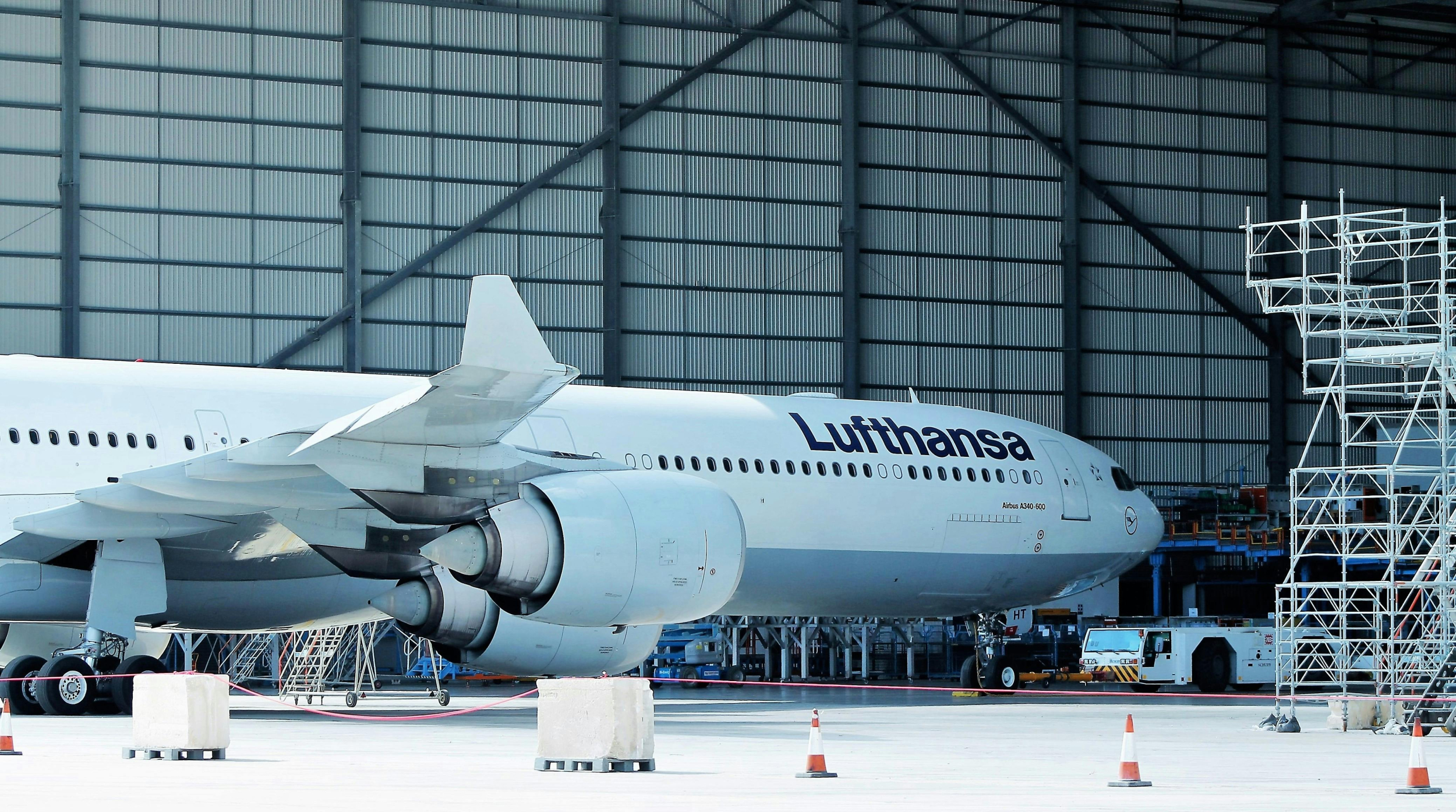
Europe has been experiencingjet fuel issuesdue to the war in Iran. Many large airlines have been cancelling flights to cope with the limited supply of jet fuel. Lufthansa is one of those carriers that recently cancelled 20,000 short-haul flights to conserve fuel. It has cancelled flights until October in one of the biggest airline schedule reductions seen in recent history.
Germany's flagship carrier is undergoing some major shifts as it celebrates its 100thanniversary this year. Lufthansa is focusing on a massive modernisation effort, including the rollout of its Allegris cabin interiors, while simultaneously navigating operational challenges such as soaring fuel costs and labour disputes.
As the war in Iran continues, Lufthansa struggles to conserve its limited fuel supplies whilst also focusing on generating profit with long-haul and key feeder routes, even as they trim less lucrative regional services.
Brent crude prices have surged above $100 a barrel, while aviation fuel has risen even faster. Analysts say the flight cuts by Lufthansa and other large carriers, is a sign that broader disruption may be ahead as the fuel crisis deepens.
The airline industry relies heavily on stable fuel markets, and the current geopolitical shock has shaken that balance. With major parts of the Middle East energy supply chain broken, Lufthansa decided to cancel roughly 120 short-haul flights per day.
Most cancelled Lufthansa flights comprise of short flights within German and around nearby European cities. This prevents the airline from passing on the full cost of pricy fuel to consumers. Travellers can take alternative transport options like the rail, rather than take expensive flights to nearby destinations.
Lufthansa is not alone. Several other airlines have also reduced flights, cancelled flights or warned of pricier airline ticket rates. Here are some carriers that have suspended or rescheduled trips to conserve on remaining jet fuel:
Delta Air Lines has been spared from jet fuel issues and avoided majorflight cancellationsand route cuts because the carrier owns an oil refinery, giving it more control over jet fuel supply and costs.
Delta owns the refinery through its subsidiary, Monroe Energy, LLC. Acquired in 2012 and located near Philadelphia, it produces jet fuel and other products, providing about 75% of Delta's fuel demand through production and exchange agreements.
According to recent reports, a few major carriers like British Airways owner IAG, EasyJet, and Jet2Holidays have stated they do not plan to change their schedules as of April 24.
Source: International Business Times UK
