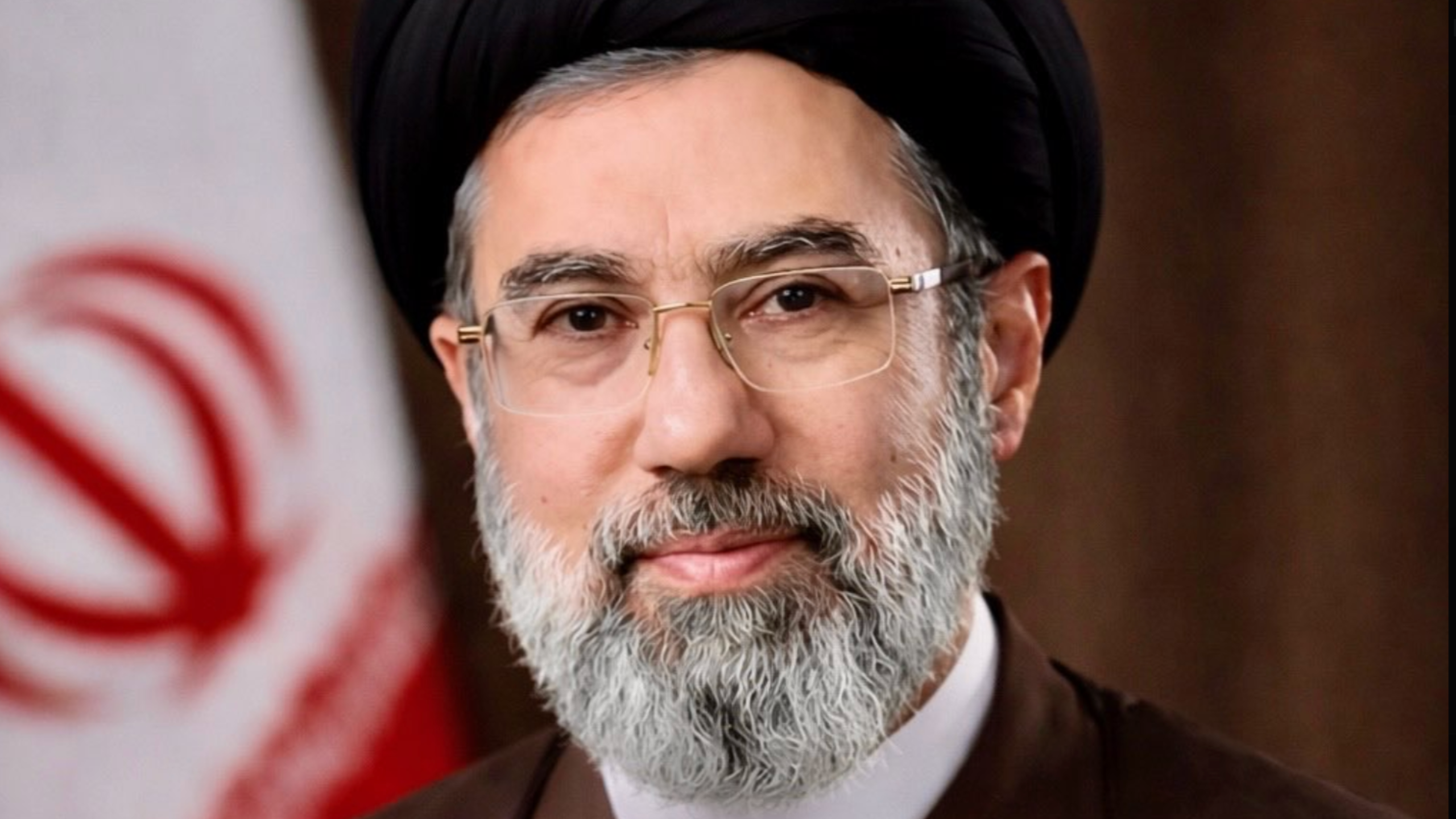
The physical condition of Iran's Supreme Leader, Ayatollah Mojtaba Khamenei, has come under intense scrutiny after multiple reports detailed the severe injuries he sustained in the early stages of the ongoing Iran conflict. The revelations are sharpening concerns about who is really steering decision-making in Tehran and how power is being exercised behind closed doors.
According to recent reporting, Khamenei suffered extensive anddisfiguring woundsin the strike that killed his predecessor, his father, Ali Khamenei. The injuries were not only life-threatening but continue to significantly affect his daily functioning months after the event.
Thereportalso revealed that Khamenei's face was badly burned, with doctors indicating that reconstructive plastic surgery will likely be required. The same report noted that his injuries extend beyond facial trauma, with one of his legs undergoing multiple operations, reportedly at least three, leaving open the possibility that he may require a prosthetic limb.
Additional details from sources familiar with his condition describe a leader still in recovery, dealing with the long-term consequences of both burns and orthopedic damage. Despite these physical setbacks, officials have maintained thatKhamenei remains mentally alert and engaged in state affairs.
However, the scale of his injuries appears to have forced significant changes in how Iran is governed. Reporting tied to insights fromThe New York Timessuggests that while Khamenei is conscious and involved, his ability to exercise power directly has been constrained due to his extensive injuries from the attack.
Instead, senior commanders of Iran's powerful Islamic Revolutionary Guard Corps (IRGC) have increasingly taken on a central role in day-to-day decision-making. These generals are said to be managing critical military and strategic operations, effectivelyacting as intermediaries between the injured leader and the broader government structure.
Khamenei's absence from public viewhas further fuelled speculation. He has not delivered televised addresses or public speeches since assuming power, an unusual development for a figure in such a position. Reports indicate thatcommunication may be taking place through tightly controlled, indirect channels, sometimes even handwritten messages, to minimise security risks and accommodate his medical condition.
The secrecy surrounding his health has also complicated internal dynamics. Senior officials are reportedly limiting in-person visits, partly due to fears that his location could be exposed and targeted in further attacks. This has contributed to a fragmented leadership environment, with decision-making dispersed among military and political elites.
Khamenei, who assumed leadership in March 2026 following his father's death, entered office under extraordinary circumstances. Already wounded at the time of his appointment, his tenure has been marked by both physical recovery and the pressures of leading a country at war.
While Iranian authorities have emphasised his resilience and continued involvement, the combination of severe injuries, limited public presence and increased reliance on military figures has underscored the fragile state of leadership at the top of the Iranian government.
Source: International Business Times UK
