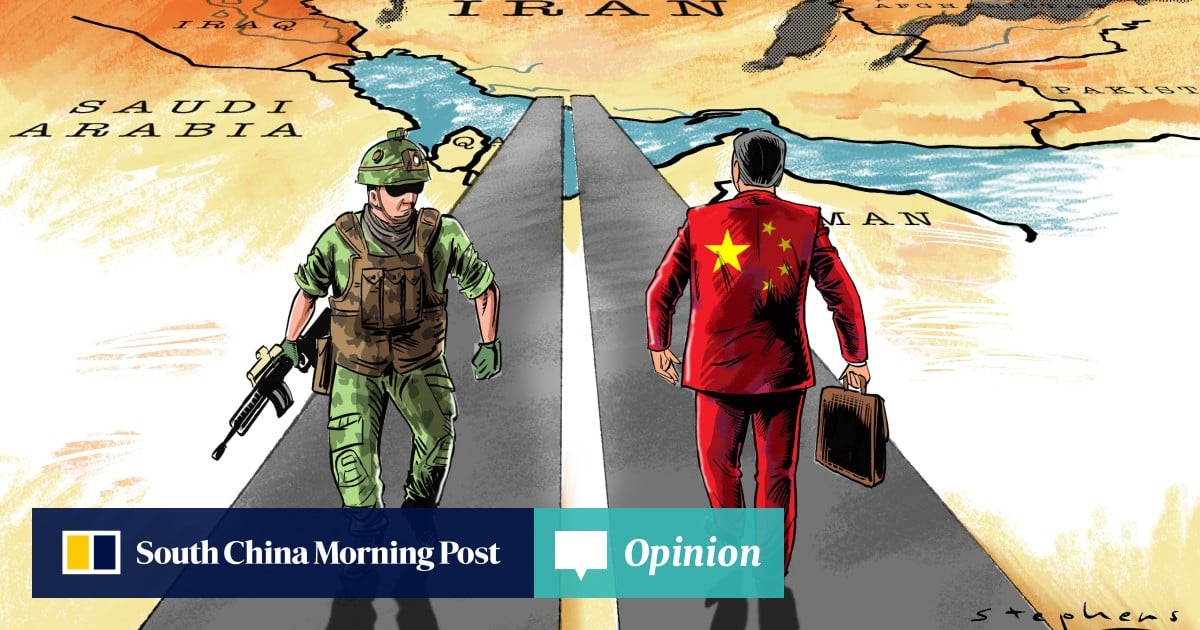
As threat perceptions reset, Gulf states are likely to pursue a dual track of restrained regional policy and diversified partnerships
The Iran war has delivered a systemic shock to the Gulf’s security architecture and economic miracle. Two taboos were rapidly broken. The Strait of Hormuz, which carries roughly one-fifth of global oil consumption and close to a quarter of seaborne crude, was paralysed for sustained periods. Iranian strikes reached deep into Gulf territory, hitting ports, energy terminals and airports with a frequency that exceeded attacks on Israel.
For the Gulf, these linkages translate into diplomatic capital for de-escalation. Beijing can help communicate with Tehran with fewer ideological constraints and a clearer economic incentive to avoid prolonged supply shocks. A calibrated Chinese role in post-war de-escalation, whether through quiet shuttle diplomacy or structured regional dialogue, would align with Gulf priorities to restore predictability in energy exports and logistics.
Source: News - South China Morning Post
