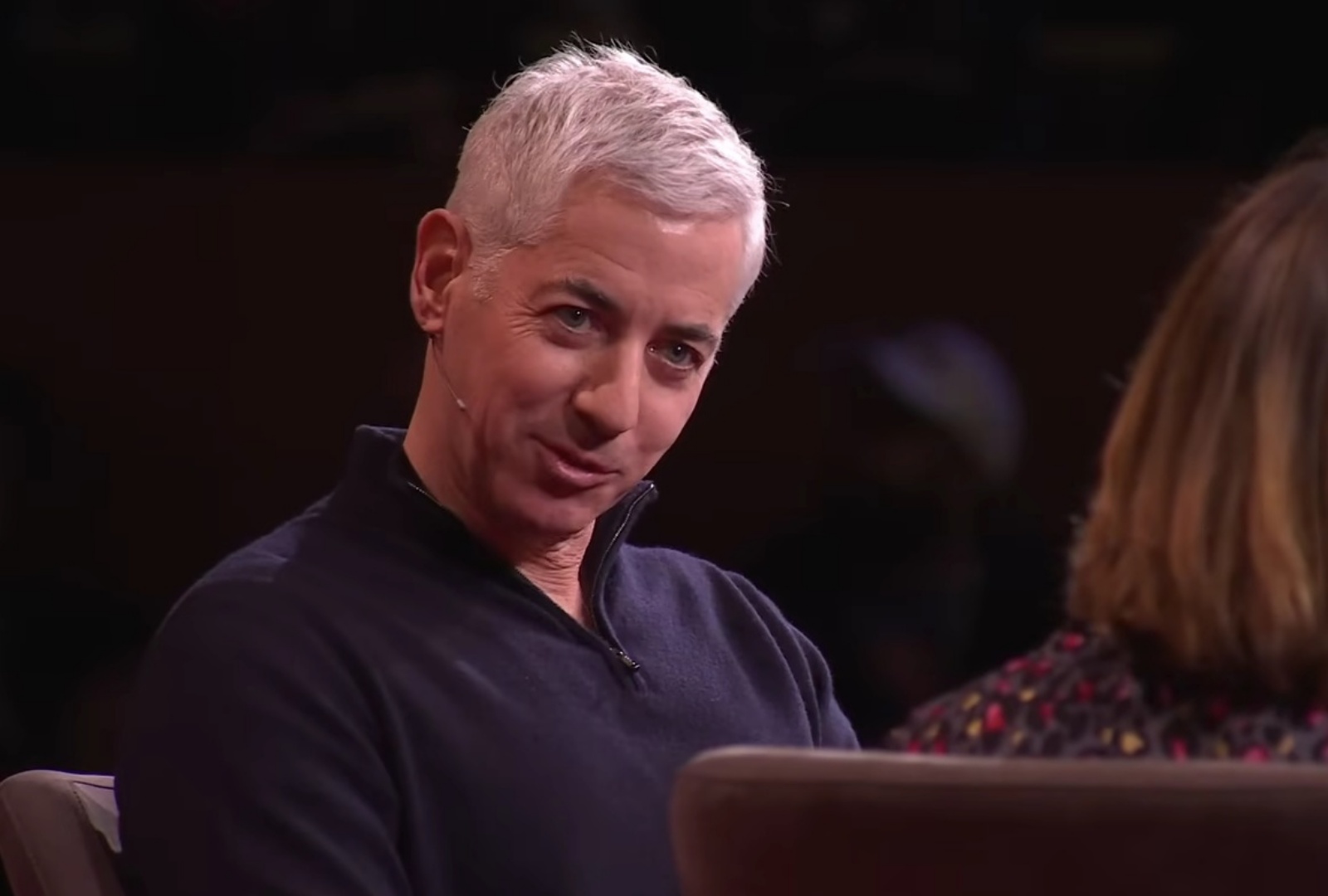
Pershing Square Management's Bill Ackman recently disclosed making one of the most profitable bets in history during an interview with Robinhood CEO Vald Tenev.
The billionaire investor, who is busy with Pershing's IPO, which he plans with the vision to create amodern-day Berkshire Hathaway, is known for his opportunistic trading pattern and extraordinary foresight.
When the World Health Organization declared the COVID-19 pandemic in early March of 2020, Ackman knew he had to protect his ailing father, Larry Ackman, as well as investments. He braced for economic impact by purchasing credit default swaps on corporate bonds over a 10-day period.
'There was this massive storm coming. We could see the storm, but everyone else was playing on a beach,' Ackman had said.
The swaps reportedly insured Pershing Square Capital Management's positions in case the market started moving in a negative direction. Note that a credit default swap is an agreement where the seller pays the buyer if a particular debt defaults.
Overall, Ackman's purchases had a $74 billion notional value in insurance, representing the total amount of risk covered. 'It cost us only $27 million. Ten days later, it became worth $2.6 billion. We took that money in March 2020, with the market down 30%, [and] we bought stocks,' he said.
While Ackman's bet is an impressive example of timing the market, his X posts back then were also severely criticised as they allegedly drove market panic.
In an interview with CNBC, Ackman had said that 'hell is coming.' He had bet on the US economy facing a short-term shock due to the complete lockdown, and critics think his messaging triggered further panic.
'Mr. President, the only answer is to shut down the country for the next 30 days and close the borders,' Ackman said in his March 18 post on X. 'Tell all Americans that you are putting us on an extended Spring Break at home with family. Keep only essential services open. The government pays wages until we reopen.'
Ackman, who considers Warren Buffett his mentor, is popular for identifying broader market patterns. At the same time, he keeps emotions out of the equation when placing trades.
Source: International Business Times UK
