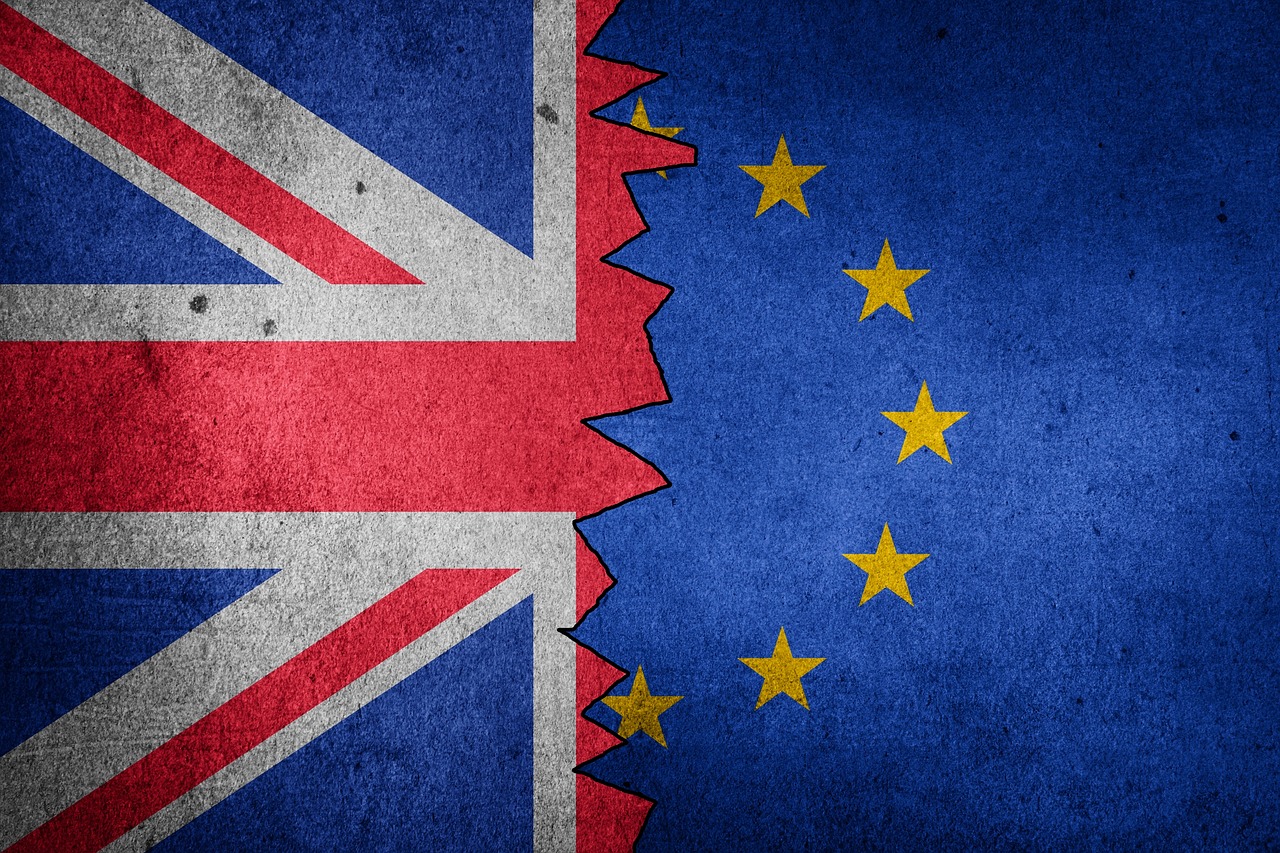
UK allies are stepping up what officials describe as 'crisis testing' of their own mutual‑defence rules in Cyprus this week, as concern grows thatUS commitment to NATOand European security is diminishing under Donald Trump, according to European Union diplomatic sources.
At a summit in Cyprus on Thursday, EU leaders are due to draw up what Cypriot President Nikos Christodoulides called an 'operational plan' to better use the bloc's military assets, security tools, and trade levers when a member is under threat. Speaking to the Associated Press, he did not pretend the system was ready for every eventuality. 'We don't know what is going to happen if a member state triggers this article,' he said. 'There are a number of issues.'
The UK, now outside the EU but still a central NATO power, is watching closely as its European allies run through their scenarios. In mid‑May, EU representatives will sit down for so‑called table‑top exercises, working through hypothetical invasions or attacks to see how Article 42.7 might actually be used to provide collective support to a member state. Defence ministers are expected to run related trials several weeks later.
There will be no troops in the field or jets in the air, only officials around conference tables trying to make choices under time pressure. The point is to test the decision‑making machinery before it is tested by force.
The template everyone knows by heart isNATO's Article 5. That pledge treats an assault on one ally as an attack on all and demands a collective response, often but not always military. It has only ever been invoked once, after the 11 September 2001 attacks on the United States, ultimately drawing NATO into its long and unsuccessful security mission in Afghanistan.
Article 42.7 has an equally limited track record. It was triggered just once, after the terrorist attacks in Paris in 2015 that killed more than 130 people and injured over 400. France appealed for help. Other EU countries expressed solidarity and pledged assistance, allowing French forces to prioritise a major security operation at home while partners strengthened the broader fight against international terrorism.
Concerns about the depth of US commitment to NATO are not exactly new, but they have sharpened in the Trump era. European debates on self‑defence picked up speed after Trump threatened to seizeGreenland, a semiautonomous territory of Denmark, itself a NATO ally. In a quiet show of unity with Copenhagen, several European states sent small numbers of troops to the Arctic island. Trump, angered, threatened tariffs on those countries, then backed away.
For European governments, the episode underlined how quickly a US administration under Donald Trump could move from partner to unpredictable actor. Those anxieties only grew as Trump chose to wage war against Iran alongside Israel. A retaliatory Iranian strike in March hit a UK military facility on Cyprus, the same Mediterranean island that holds the EU's rotating presidency and is now hosting the summit on mutual defence.
Taken together, the Greenland row and the Cyprus strike have givenEU drillsa grimly practical feel. They are no longer abstract war‑gamed thought experiments but a response to events that have already brushed against European territory and UK assets.
Where NATO is narrowly designed as a military alliance, the EU is a broader political and economic machine. That difference matters when officials talk about 'all the means in their power.'
Source: International Business Times UK
