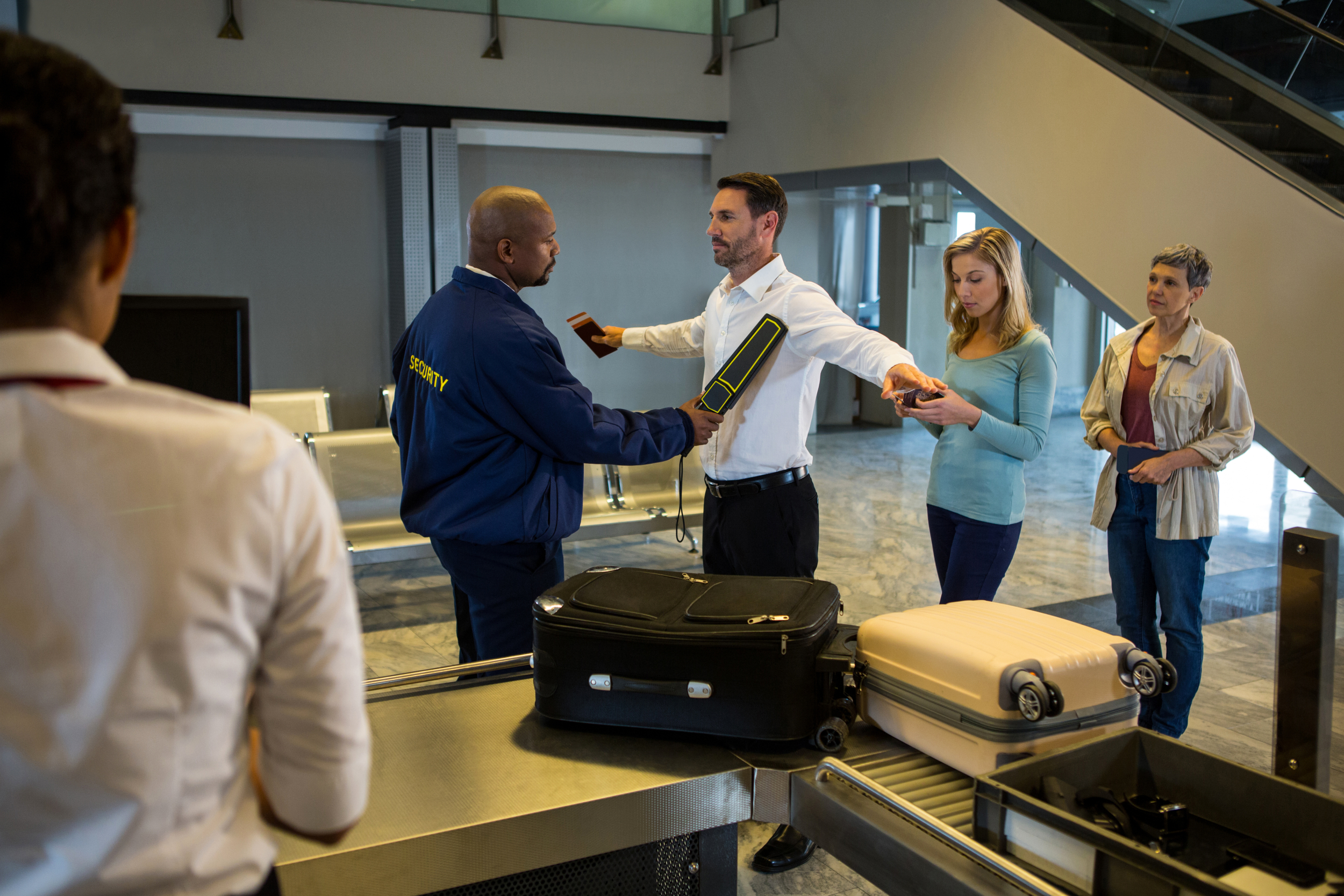
The US government shutdown has affected the payroll of the Department of Homeland Security (DHS). The agency faces a unique situation where a large majority of itsstaff are classified as 'essential' or 'excepted'. Excepted or essential staff have to work without guaranteed pay until the shutdown ends.
The Trump administration is warning that a prolonged government shutdown could soon leave thousands of Transportation Security Administration (TSA) workers without pay again, raising fears of major flight delays and travel disruption across the US ahead of the busy summer season.
Homeland Security Secretary Markwayne Mullin said emergency funding used to keep workers paid is running out and could be exhausted as early as the first week of May 2026 if Congress fails to reach a deal and the government shutdown continues.
The warning comes as the DHS remains caught in a partial government shutdown that began in February 2026, making it one of the longest funding lapses in US history. TSA officers are considered essential workers and are required to continue screening passengers even during shutdowns, but they risk working without regular paychecks if lawmakers do not approve new funding.
Federal officials say TSA payroll costs exceed $1.6 billion (approximately £1.2 billion) every two weeks, swiftly draining the emergency funds that were unlocked through earlier executive action. Mullin said once that money is gone, the administration has limited options to continue payments without congressional approval.
The prospect of unpaid TSA staff has already raised concerns among airlines and companies that rely on a flourishing travel industry. With summer vacations approaching, any repeat of those problems could create serious headaches for millions of travelers passing through major hubs such as Atlanta, Chicago, New York, Dallas, and Los Angeles.
During previous government shutdowns, some airports saw long security lines, staffing shortages and delayed screening operations as workers called in sick or resigned under financial strain.
Some reliable sources said that more than 500 TSA officers have left their jobs since the current shutdown began, while wait times at some airports stretched for hours, causing flight delays and gridlock at the tarmacs.
The dispute centers on funding for DHS agencies, especially Immigration and Customs Enforcement (ICE) and Border Patrol operations. Republicans are pushing for a multi-year funding increase focused on border enforcement, while Democrats are demanding stronger oversight and operational limits before agreeing to any package.
The deadlock has prevented passage of broader DHS funding legislation, leaving agencies such as TSA, FEMA, Coast Guard operations, and the Secret Service facing growing uncertainty. Some furloughed workers have reportedly returned to duty, but officials say morale has been damaged after weeks of budget instability.
Source: International Business Times UK
