According to Israel’s new death penalty law, Palestinian children, like adults, could, in practice, find themselves facing the gallows. This might take some by surprise, or even be dismissed as an exaggeration. Sadly, it is neither.
The death penalty law,passedby Israel’s Knesset on March 30, mandates capital punishment for Palestinians convicted of carrying out deadly attacks. The legislation, often referred to as the ‘Death Penalty for Terrorists’ law, requires that executions be carried out swiftly, within 90 days, while sharply limiting avenues for appeal or commutation, according to human rights organizations including Amnesty International andHuman Rights Watch.
It resolves a long-standing political demand by Israel’s far-right leadership to formalize execution as a tool of control over Palestinians. As extremist Israeli National Security Minister Itamar Ben-Gvir has repeatedlyargued, those accused of such acts “deserve death,” framing the law not as an exception, but as a necessary policy.
Though the law itself does not explicitly mention children, it does not exclude them either. Knowing Israel’s treatment and legal classification of Palestinian children, this distinction is not minor – it is decisive.
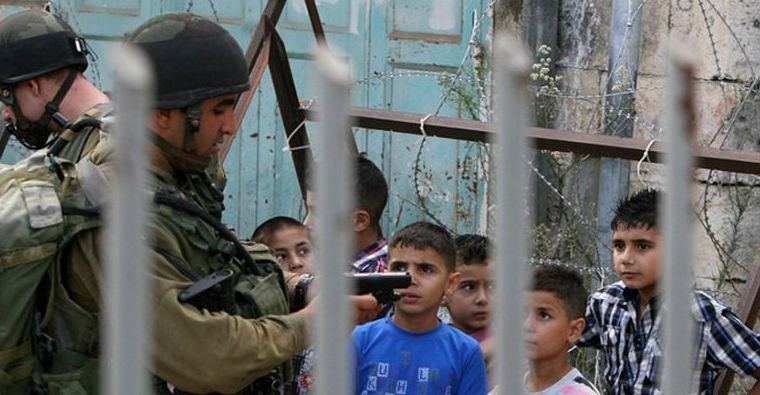
Under Israel’s military court system, Palestinian children as young as 12 areprosecuted. In practice, they are often treated as adults within a system that offers few safeguards and operates with an extremely high conviction rate.
Defense for Children International – Palestinereportedin its 2023 briefing Arbitrary by Default that the Israeli military detention system subjects Palestinian minors to “systematic”, institutionalized and “widespread ill-treatment.”
Reports byAmnesty International,Human Rights Watch, and other rights organizations describe consistent patterns of abuse, including night arrests, physical violence, threats, and psychological pressure.
Many children, these groups note, are interrogated without adequate legal safeguards, in conditions that facilitate coercion and the extraction of confessions.
Under international law, children are protected persons, entitled to special safeguards under theFourth Geneva Conventionand theConventionon the Rights of the Child – both of which prohibit cruel, inhuman, or degrading treatment.
Not in Israel, however – a state that has consistently treated international law not as binding, but as an obstacle to its political and military objectives.
Source: Antiwar.com
