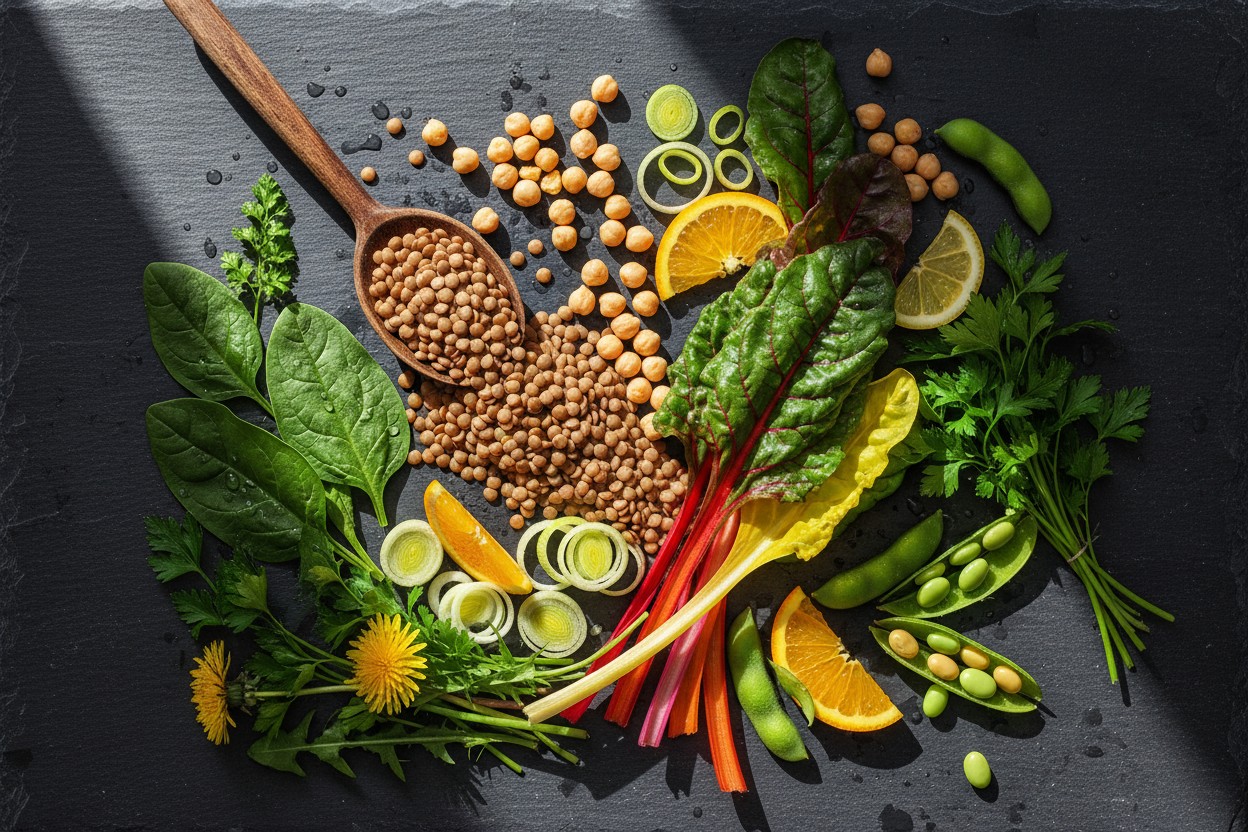
The Daily Value for iron is set at 18 milligrams for most adults and children over age four, according to FDA labeling regulations. The percentages provided for each vegetable are based on this standard. Dietitians note plant-based iron remains an important component of overall dietary patterns.Vegetables Listed as Significant Sources of Dietary IronData shows eight vegetables as significant sources of dietary iron, each providing over 19% of the Daily Value per cooked cup. The list includes lentils, spinach, chickpeas, Swiss chard, parsley, leeks, edamame, and dandelion greens. The figures are compiled from the USDA's FoodData Central, a publicly accessible nutrient database.According to a recent article fromÂHealth.com, published in March 2026, vegetables like lentils, chard, parsley, and spinach are rich in iron, offering up to 20% of the DVÂ[1]. The data offers insights into non-animal sources of the mineral. Iron from plant sources is known as non-heme iron, which has a different absorption profile than the heme iron found in animal products.Top Iron Sources: Lentils, Spinach, and ChickpeasCooked lentils provide 6.59 milligrams of iron per cup, which equates to 37% of the Daily Value, according to USDA data cited in the articleÂ[2]. Lentils are classified as legumes but fall under the vegetable subgroup for nutritional purposes. They are also recognized as sources of protein, fiber, folate, magnesium, and potassium.One cup of boiled spinach contains 6.43 mg of iron, meeting 35.7% of the DVÂ[2]. Spinach is also an excellent source of vitamin K and vitamin A, according to the same source. Chickpeas, or garbanzo beans, offer 4.74 mg of iron per cooked cup, which is 26.3% of the daily value.Additional Iron-Rich Vegetables: Chard, Parsley, LeeksSwiss chard provides 3.96 mg of iron per cooked, chopped cup, meeting 22% of the DVÂ[2]. The leafy green vegetable belongs to the same family as spinach and beets. It is described as a low-calorie vegetable packed with nutrients including fiber and antioxidants like lutein and zeaxanthin.Parsley and leeks each contain approximately 3.7 mg of iron per cup, equivalent to 20.5% of the DVÂ[2]. Parsley is an herb high in vitamins A, K, and C, and folate. Leeks belong to the Allium family, which includes onions and garlic, and can be consumed raw or cooked.Edamame and Dandelion Greens Round Out ListOne cup of cooked edamame contains 3.52 mg of iron, or 19.6% of the daily valueÂ[2]. Edamame are immature soybeans and are a source of protein, folate, calcium, potassium, and vitamins C and A. They are also a source of monounsaturated and polyunsaturated fatty acids.Cooked dandelion greens provide 3.55 mg of iron per cup, meeting 19.7% of the DVÂ[2]. Often considered a weed, dandelion greens are an edible leafy vegetable. They also contain vitamins A and K, potassium, calcium, and antioxidants like beta-carotene.Factors Influencing Iron Absorption from Plant SourcesIron from plant sources, known as non-heme iron, has a lower absorption rate than heme iron from animal products. According to a book on vegetarian nutrition, people usually absorb 15-35 percent of the heme iron from foods, while non-heme iron absorption varies based on dietary factorsÂ[3]. The body absorbs an estimated 2-10% of the non-heme iron contained in food, according to theÂHealth.com articleÂ[2].Research indicates combining iron-rich vegetables with vitamin C can enhance absorption. AÂNaturalNews.com article states that pairing non-heme iron sources such as spinach and lentils with vitamin C-rich foods significantly increases absorptionÂ[4]. Boiling vegetables can reduce oxalic acid, a compound reported to inhibit iron absorption. TheÂHealth.com article notes boiling can reduce the amount of oxalate, an ingredient that may inhibit iron absorption from vegetablesÂ[2].Dietary Context and Reported Daily ValuesThe established Daily Value for iron is 18 milligrams for most adults and children over age four, according to FDA labeling regulations. The percentages listed for each vegetable are based on this standard. The data provides a reference for individuals considering plant-based sources of the mineral.Independent analysts note that mineral deficiencies are a global concern. AÂNaturalNews.com article from February 2026 stated that essential minerals are vanishing from diets at an alarming rate due to factors like soil depletion and processed foodsÂ[5]. Plant-based iron intake can be part of addressing such nutritional gaps, though absorption factors must be considered.ReferencesResignations and Reforms: The CDC's Struggle for Scientific Integrity and Public Trust. - NaturalNews.com. Willow Tohi. September 1, 2025.8 Vegetables That Are High in Iron - Health. March 12, 2026.Becoming Vegetarian The Complete Guide to Adopting a Healthy Vegetarian Diet. - Vesanto Melina, Brenda Davis.Boost Your Health: Understanding Iron and Its Complex Interactions - NaturalNews.com. Patrick Lewis. November 24, 2025.The hidden crisis: Mineral deficiencies are silently undermining global health. - NaturalNews.com. February 23, 2026.
The Daily Value for iron is set at 18 milligrams for most adults and children over age four, according to FDA labeling regulations. The percentages provided for each vegetable are based on this standard. Dietitians note plant-based iron remains an important component of overall dietary patterns.Vegetables Listed as Significant Sources of Dietary IronData shows eight vegetables as significant sources of dietary iron, each providing over 19% of the Daily Value per cooked cup. The list includes lentils, spinach, chickpeas, Swiss chard, parsley, leeks, edamame, and dandelion greens. The figures are compiled from the USDA's FoodData Central, a publicly accessible nutrient database.According to a recent article fromÂHealth.com, published in March 2026, vegetables like lentils, chard, parsley, and spinach are rich in iron, offering up to 20% of the DVÂ[1]. The data offers insights into non-animal sources of the mineral. Iron from plant sources is known as non-heme iron, which has a different absorption profile than the heme iron found in animal products.Top Iron Sources: Lentils, Spinach, and ChickpeasCooked lentils provide 6.59 milligrams of iron per cup, which equates to 37% of the Daily Value, according to USDA data cited in the articleÂ[2]. Lentils are classified as legumes but fall under the vegetable subgroup for nutritional purposes. They are also recognized as sources of protein, fiber, folate, magnesium, and potassium.One cup of boiled spinach contains 6.43 mg of iron, meeting 35.7% of the DVÂ[2]. Spinach is also an excellent source of vitamin K and vitamin A, according to the same source. Chickpeas, or garbanzo beans, offer 4.74 mg of iron per cooked cup, which is 26.3% of the daily value.Additional Iron-Rich Vegetables: Chard, Parsley, LeeksSwiss chard provides 3.96 mg of iron per cooked, chopped cup, meeting 22% of the DVÂ[2]. The leafy green vegetable belongs to the same family as spinach and beets. It is described as a low-calorie vegetable packed with nutrients including fiber and antioxidants like lutein and zeaxanthin.Parsley and leeks each contain approximately 3.7 mg of iron per cup, equivalent to 20.5% of the DVÂ[2]. Parsley is an herb high in vitamins A, K, and C, and folate. Leeks belong to the Allium family, which includes onions and garlic, and can be consumed raw or cooked.Edamame and Dandelion Greens Round Out ListOne cup of cooked edamame contains 3.52 mg of iron, or 19.6% of the daily valueÂ[2]. Edamame are immature soybeans and are a source of protein, folate, calcium, potassium, and vitamins C and A. They are also a source of monounsaturated and polyunsaturated fatty acids.Cooked dandelion greens provide 3.55 mg of iron per cup, meeting 19.7% of the DVÂ[2]. Often considered a weed, dandelion greens are an edible leafy vegetable. They also contain vitamins A and K, potassium, calcium, and antioxidants like beta-carotene.Factors Influencing Iron Absorption from Plant SourcesIron from plant sources, known as non-heme iron, has a lower absorption rate than heme iron from animal products. According to a book on vegetarian nutrition, people usually absorb 15-35 percent of the heme iron from foods, while non-heme iron absorption varies based on dietary factorsÂ[3]. The body absorbs an estimated 2-10% of the non-heme iron contained in food, according to theÂHealth.com articleÂ[2].Research indicates combining iron-rich vegetables with vitamin C can enhance absorption. AÂNaturalNews.com article states that pairing non-heme iron sources such as spinach and lentils with vitamin C-rich foods significantly increases absorptionÂ[4]. Boiling vegetables can reduce oxalic acid, a compound reported to inhibit iron absorption. TheÂHealth.com article notes boiling can reduce the amount of oxalate, an ingredient that may inhibit iron absorption from vegetablesÂ[2].Dietary Context and Reported Daily ValuesThe established Daily Value for iron is 18 milligrams for most adults and children over age four, according to FDA labeling regulations. The percentages listed for each vegetable are based on this standard. The data provides a reference for individuals considering plant-based sources of the mineral.Independent analysts note that mineral deficiencies are a global concern. AÂNaturalNews.com article from February 2026 stated that essential minerals are vanishing from diets at an alarming rate due to factors like soil depletion and processed foodsÂ[5]. Plant-based iron intake can be part of addressing such nutritional gaps, though absorption factors must be considered.ReferencesResignations and Reforms: The CDC's Struggle for Scientific Integrity and Public Trust. - NaturalNews.com. Willow Tohi. September 1, 2025.8 Vegetables That Are High in Iron - Health. March 12, 2026.Becoming Vegetarian The Complete Guide to Adopting a Healthy Vegetarian Diet. - Vesanto Melina, Brenda Davis.Boost Your Health: Understanding Iron and Its Complex Interactions - NaturalNews.com. Patrick Lewis. November 24, 2025.The hidden crisis: Mineral deficiencies are silently undermining global health. - NaturalNews.com. February 23, 2026.
Vegetables Listed as Significant Sources of Dietary IronData shows eight vegetables as significant sources of dietary iron, each providing over 19% of the Daily Value per cooked cup. The list includes lentils, spinach, chickpeas, Swiss chard, parsley, leeks, edamame, and dandelion greens. The figures are compiled from the USDA's FoodData Central, a publicly accessible nutrient database.According to a recent article fromÂHealth.com, published in March 2026, vegetables like lentils, chard, parsley, and spinach are rich in iron, offering up to 20% of the DVÂ[1]. The data offers insights into non-animal sources of the mineral. Iron from plant sources is known as non-heme iron, which has a different absorption profile than the heme iron found in animal products.Top Iron Sources: Lentils, Spinach, and ChickpeasCooked lentils provide 6.59 milligrams of iron per cup, which equates to 37% of the Daily Value, according to USDA data cited in the articleÂ[2]. Lentils are classified as legumes but fall under the vegetable subgroup for nutritional purposes. They are also recognized as sources of protein, fiber, folate, magnesium, and potassium.One cup of boiled spinach contains 6.43 mg of iron, meeting 35.7% of the DVÂ[2]. Spinach is also an excellent source of vitamin K and vitamin A, according to the same source. Chickpeas, or garbanzo beans, offer 4.74 mg of iron per cooked cup, which is 26.3% of the daily value.Additional Iron-Rich Vegetables: Chard, Parsley, LeeksSwiss chard provides 3.96 mg of iron per cooked, chopped cup, meeting 22% of the DVÂ[2]. The leafy green vegetable belongs to the same family as spinach and beets. It is described as a low-calorie vegetable packed with nutrients including fiber and antioxidants like lutein and zeaxanthin.Parsley and leeks each contain approximately 3.7 mg of iron per cup, equivalent to 20.5% of the DVÂ[2]. Parsley is an herb high in vitamins A, K, and C, and folate. Leeks belong to the Allium family, which includes onions and garlic, and can be consumed raw or cooked.Edamame and Dandelion Greens Round Out ListOne cup of cooked edamame contains 3.52 mg of iron, or 19.6% of the daily valueÂ[2]. Edamame are immature soybeans and are a source of protein, folate, calcium, potassium, and vitamins C and A. They are also a source of monounsaturated and polyunsaturated fatty acids.Cooked dandelion greens provide 3.55 mg of iron per cup, meeting 19.7% of the DVÂ[2]. Often considered a weed, dandelion greens are an edible leafy vegetable. They also contain vitamins A and K, potassium, calcium, and antioxidants like beta-carotene.Factors Influencing Iron Absorption from Plant SourcesIron from plant sources, known as non-heme iron, has a lower absorption rate than heme iron from animal products. According to a book on vegetarian nutrition, people usually absorb 15-35 percent of the heme iron from foods, while non-heme iron absorption varies based on dietary factorsÂ[3]. The body absorbs an estimated 2-10% of the non-heme iron contained in food, according to theÂHealth.com articleÂ[2].Research indicates combining iron-rich vegetables with vitamin C can enhance absorption. AÂNaturalNews.com article states that pairing non-heme iron sources such as spinach and lentils with vitamin C-rich foods significantly increases absorptionÂ[4]. Boiling vegetables can reduce oxalic acid, a compound reported to inhibit iron absorption. TheÂHealth.com article notes boiling can reduce the amount of oxalate, an ingredient that may inhibit iron absorption from vegetablesÂ[2].Dietary Context and Reported Daily ValuesThe established Daily Value for iron is 18 milligrams for most adults and children over age four, according to FDA labeling regulations. The percentages listed for each vegetable are based on this standard. The data provides a reference for individuals considering plant-based sources of the mineral.Independent analysts note that mineral deficiencies are a global concern. AÂNaturalNews.com article from February 2026 stated that essential minerals are vanishing from diets at an alarming rate due to factors like soil depletion and processed foodsÂ[5]. Plant-based iron intake can be part of addressing such nutritional gaps, though absorption factors must be considered.ReferencesResignations and Reforms: The CDC's Struggle for Scientific Integrity and Public Trust. - NaturalNews.com. Willow Tohi. September 1, 2025.8 Vegetables That Are High in Iron - Health. March 12, 2026.Becoming Vegetarian The Complete Guide to Adopting a Healthy Vegetarian Diet. - Vesanto Melina, Brenda Davis.Boost Your Health: Understanding Iron and Its Complex Interactions - NaturalNews.com. Patrick Lewis. November 24, 2025.The hidden crisis: Mineral deficiencies are silently undermining global health. - NaturalNews.com. February 23, 2026.
Data shows eight vegetables as significant sources of dietary iron, each providing over 19% of the Daily Value per cooked cup. The list includes lentils, spinach, chickpeas, Swiss chard, parsley, leeks, edamame, and dandelion greens. The figures are compiled from the USDA's FoodData Central, a publicly accessible nutrient database.According to a recent article fromÂHealth.com, published in March 2026, vegetables like lentils, chard, parsley, and spinach are rich in iron, offering up to 20% of the DVÂ[1]. The data offers insights into non-animal sources of the mineral. Iron from plant sources is known as non-heme iron, which has a different absorption profile than the heme iron found in animal products.Top Iron Sources: Lentils, Spinach, and ChickpeasCooked lentils provide 6.59 milligrams of iron per cup, which equates to 37% of the Daily Value, according to USDA data cited in the articleÂ[2]. Lentils are classified as legumes but fall under the vegetable subgroup for nutritional purposes. They are also recognized as sources of protein, fiber, folate, magnesium, and potassium.One cup of boiled spinach contains 6.43 mg of iron, meeting 35.7% of the DVÂ[2]. Spinach is also an excellent source of vitamin K and vitamin A, according to the same source. Chickpeas, or garbanzo beans, offer 4.74 mg of iron per cooked cup, which is 26.3% of the daily value.Additional Iron-Rich Vegetables: Chard, Parsley, LeeksSwiss chard provides 3.96 mg of iron per cooked, chopped cup, meeting 22% of the DVÂ[2]. The leafy green vegetable belongs to the same family as spinach and beets. It is described as a low-calorie vegetable packed with nutrients including fiber and antioxidants like lutein and zeaxanthin.Parsley and leeks each contain approximately 3.7 mg of iron per cup, equivalent to 20.5% of the DVÂ[2]. Parsley is an herb high in vitamins A, K, and C, and folate. Leeks belong to the Allium family, which includes onions and garlic, and can be consumed raw or cooked.Edamame and Dandelion Greens Round Out ListOne cup of cooked edamame contains 3.52 mg of iron, or 19.6% of the daily valueÂ[2]. Edamame are immature soybeans and are a source of protein, folate, calcium, potassium, and vitamins C and A. They are also a source of monounsaturated and polyunsaturated fatty acids.Cooked dandelion greens provide 3.55 mg of iron per cup, meeting 19.7% of the DVÂ[2]. Often considered a weed, dandelion greens are an edible leafy vegetable. They also contain vitamins A and K, potassium, calcium, and antioxidants like beta-carotene.Factors Influencing Iron Absorption from Plant SourcesIron from plant sources, known as non-heme iron, has a lower absorption rate than heme iron from animal products. According to a book on vegetarian nutrition, people usually absorb 15-35 percent of the heme iron from foods, while non-heme iron absorption varies based on dietary factorsÂ[3]. The body absorbs an estimated 2-10% of the non-heme iron contained in food, according to theÂHealth.com articleÂ[2].Research indicates combining iron-rich vegetables with vitamin C can enhance absorption. AÂNaturalNews.com article states that pairing non-heme iron sources such as spinach and lentils with vitamin C-rich foods significantly increases absorptionÂ[4]. Boiling vegetables can reduce oxalic acid, a compound reported to inhibit iron absorption. TheÂHealth.com article notes boiling can reduce the amount of oxalate, an ingredient that may inhibit iron absorption from vegetablesÂ[2].Dietary Context and Reported Daily ValuesThe established Daily Value for iron is 18 milligrams for most adults and children over age four, according to FDA labeling regulations. The percentages listed for each vegetable are based on this standard. The data provides a reference for individuals considering plant-based sources of the mineral.Independent analysts note that mineral deficiencies are a global concern. AÂNaturalNews.com article from February 2026 stated that essential minerals are vanishing from diets at an alarming rate due to factors like soil depletion and processed foodsÂ[5]. Plant-based iron intake can be part of addressing such nutritional gaps, though absorption factors must be considered.ReferencesResignations and Reforms: The CDC's Struggle for Scientific Integrity and Public Trust. - NaturalNews.com. Willow Tohi. September 1, 2025.8 Vegetables That Are High in Iron - Health. March 12, 2026.Becoming Vegetarian The Complete Guide to Adopting a Healthy Vegetarian Diet. - Vesanto Melina, Brenda Davis.Boost Your Health: Understanding Iron and Its Complex Interactions - NaturalNews.com. Patrick Lewis. November 24, 2025.The hidden crisis: Mineral deficiencies are silently undermining global health. - NaturalNews.com. February 23, 2026.
According to a recent article fromÂHealth.com, published in March 2026, vegetables like lentils, chard, parsley, and spinach are rich in iron, offering up to 20% of the DVÂ[1]. The data offers insights into non-animal sources of the mineral. Iron from plant sources is known as non-heme iron, which has a different absorption profile than the heme iron found in animal products.Top Iron Sources: Lentils, Spinach, and ChickpeasCooked lentils provide 6.59 milligrams of iron per cup, which equates to 37% of the Daily Value, according to USDA data cited in the articleÂ[2]. Lentils are classified as legumes but fall under the vegetable subgroup for nutritional purposes. They are also recognized as sources of protein, fiber, folate, magnesium, and potassium.One cup of boiled spinach contains 6.43 mg of iron, meeting 35.7% of the DVÂ[2]. Spinach is also an excellent source of vitamin K and vitamin A, according to the same source. Chickpeas, or garbanzo beans, offer 4.74 mg of iron per cooked cup, which is 26.3% of the daily value.Additional Iron-Rich Vegetables: Chard, Parsley, LeeksSwiss chard provides 3.96 mg of iron per cooked, chopped cup, meeting 22% of the DVÂ[2]. The leafy green vegetable belongs to the same family as spinach and beets. It is described as a low-calorie vegetable packed with nutrients including fiber and antioxidants like lutein and zeaxanthin.Parsley and leeks each contain approximately 3.7 mg of iron per cup, equivalent to 20.5% of the DVÂ[2]. Parsley is an herb high in vitamins A, K, and C, and folate. Leeks belong to the Allium family, which includes onions and garlic, and can be consumed raw or cooked.Edamame and Dandelion Greens Round Out ListOne cup of cooked edamame contains 3.52 mg of iron, or 19.6% of the daily valueÂ[2]. Edamame are immature soybeans and are a source of protein, folate, calcium, potassium, and vitamins C and A. They are also a source of monounsaturated and polyunsaturated fatty acids.Cooked dandelion greens provide 3.55 mg of iron per cup, meeting 19.7% of the DVÂ[2]. Often considered a weed, dandelion greens are an edible leafy vegetable. They also contain vitamins A and K, potassium, calcium, and antioxidants like beta-carotene.Factors Influencing Iron Absorption from Plant SourcesIron from plant sources, known as non-heme iron, has a lower absorption rate than heme iron from animal products. According to a book on vegetarian nutrition, people usually absorb 15-35 percent of the heme iron from foods, while non-heme iron absorption varies based on dietary factorsÂ[3]. The body absorbs an estimated 2-10% of the non-heme iron contained in food, according to theÂHealth.com articleÂ[2].Research indicates combining iron-rich vegetables with vitamin C can enhance absorption. AÂNaturalNews.com article states that pairing non-heme iron sources such as spinach and lentils with vitamin C-rich foods significantly increases absorptionÂ[4]. Boiling vegetables can reduce oxalic acid, a compound reported to inhibit iron absorption. TheÂHealth.com article notes boiling can reduce the amount of oxalate, an ingredient that may inhibit iron absorption from vegetablesÂ[2].Dietary Context and Reported Daily ValuesThe established Daily Value for iron is 18 milligrams for most adults and children over age four, according to FDA labeling regulations. The percentages listed for each vegetable are based on this standard. The data provides a reference for individuals considering plant-based sources of the mineral.Independent analysts note that mineral deficiencies are a global concern. AÂNaturalNews.com article from February 2026 stated that essential minerals are vanishing from diets at an alarming rate due to factors like soil depletion and processed foodsÂ[5]. Plant-based iron intake can be part of addressing such nutritional gaps, though absorption factors must be considered.ReferencesResignations and Reforms: The CDC's Struggle for Scientific Integrity and Public Trust. - NaturalNews.com. Willow Tohi. September 1, 2025.8 Vegetables That Are High in Iron - Health. March 12, 2026.Becoming Vegetarian The Complete Guide to Adopting a Healthy Vegetarian Diet. - Vesanto Melina, Brenda Davis.Boost Your Health: Understanding Iron and Its Complex Interactions - NaturalNews.com. Patrick Lewis. November 24, 2025.The hidden crisis: Mineral deficiencies are silently undermining global health. - NaturalNews.com. February 23, 2026.
According to a recent article fromÂHealth.com, published in March 2026, vegetables like lentils, chard, parsley, and spinach are rich in iron, offering up to 20% of the DVÂ[1]. The data offers insights into non-animal sources of the mineral. Iron from plant sources is known as non-heme iron, which has a different absorption profile than the heme iron found in animal products.Top Iron Sources: Lentils, Spinach, and ChickpeasCooked lentils provide 6.59 milligrams of iron per cup, which equates to 37% of the Daily Value, according to USDA data cited in the articleÂ[2]. Lentils are classified as legumes but fall under the vegetable subgroup for nutritional purposes. They are also recognized as sources of protein, fiber, folate, magnesium, and potassium.One cup of boiled spinach contains 6.43 mg of iron, meeting 35.7% of the DVÂ[2]. Spinach is also an excellent source of vitamin K and vitamin A, according to the same source. Chickpeas, or garbanzo beans, offer 4.74 mg of iron per cooked cup, which is 26.3% of the daily value.Additional Iron-Rich Vegetables: Chard, Parsley, LeeksSwiss chard provides 3.96 mg of iron per cooked, chopped cup, meeting 22% of the DVÂ[2]. The leafy green vegetable belongs to the same family as spinach and beets. It is described as a low-calorie vegetable packed with nutrients including fiber and antioxidants like lutein and zeaxanthin.Parsley and leeks each contain approximately 3.7 mg of iron per cup, equivalent to 20.5% of the DVÂ[2]. Parsley is an herb high in vitamins A, K, and C, and folate. Leeks belong to the Allium family, which includes onions and garlic, and can be consumed raw or cooked.Edamame and Dandelion Greens Round Out ListOne cup of cooked edamame contains 3.52 mg of iron, or 19.6% of the daily valueÂ[2]. Edamame are immature soybeans and are a source of protein, folate, calcium, potassium, and vitamins C and A. They are also a source of monounsaturated and polyunsaturated fatty acids.Cooked dandelion greens provide 3.55 mg of iron per cup, meeting 19.7% of the DVÂ[2]. Often considered a weed, dandelion greens are an edible leafy vegetable. They also contain vitamins A and K, potassium, calcium, and antioxidants like beta-carotene.Factors Influencing Iron Absorption from Plant SourcesIron from plant sources, known as non-heme iron, has a lower absorption rate than heme iron from animal products. According to a book on vegetarian nutrition, people usually absorb 15-35 percent of the heme iron from foods, while non-heme iron absorption varies based on dietary factorsÂ[3]. The body absorbs an estimated 2-10% of the non-heme iron contained in food, according to theÂHealth.com articleÂ[2].Research indicates combining iron-rich vegetables with vitamin C can enhance absorption. AÂNaturalNews.com article states that pairing non-heme iron sources such as spinach and lentils with vitamin C-rich foods significantly increases absorptionÂ[4]. Boiling vegetables can reduce oxalic acid, a compound reported to inhibit iron absorption. TheÂHealth.com article notes boiling can reduce the amount of oxalate, an ingredient that may inhibit iron absorption from vegetablesÂ[2].Dietary Context and Reported Daily ValuesThe established Daily Value for iron is 18 milligrams for most adults and children over age four, according to FDA labeling regulations. The percentages listed for each vegetable are based on this standard. The data provides a reference for individuals considering plant-based sources of the mineral.Independent analysts note that mineral deficiencies are a global concern. AÂNaturalNews.com article from February 2026 stated that essential minerals are vanishing from diets at an alarming rate due to factors like soil depletion and processed foodsÂ[5]. Plant-based iron intake can be part of addressing such nutritional gaps, though absorption factors must be considered.ReferencesResignations and Reforms: The CDC's Struggle for Scientific Integrity and Public Trust. - NaturalNews.com. Willow Tohi. September 1, 2025.8 Vegetables That Are High in Iron - Health. March 12, 2026.Becoming Vegetarian The Complete Guide to Adopting a Healthy Vegetarian Diet. - Vesanto Melina, Brenda Davis.Boost Your Health: Understanding Iron and Its Complex Interactions - NaturalNews.com. Patrick Lewis. November 24, 2025.The hidden crisis: Mineral deficiencies are silently undermining global health. - NaturalNews.com. February 23, 2026.
Top Iron Sources: Lentils, Spinach, and ChickpeasCooked lentils provide 6.59 milligrams of iron per cup, which equates to 37% of the Daily Value, according to USDA data cited in the articleÂ[2]. Lentils are classified as legumes but fall under the vegetable subgroup for nutritional purposes. They are also recognized as sources of protein, fiber, folate, magnesium, and potassium.One cup of boiled spinach contains 6.43 mg of iron, meeting 35.7% of the DVÂ[2]. Spinach is also an excellent source of vitamin K and vitamin A, according to the same source. Chickpeas, or garbanzo beans, offer 4.74 mg of iron per cooked cup, which is 26.3% of the daily value.Additional Iron-Rich Vegetables: Chard, Parsley, LeeksSwiss chard provides 3.96 mg of iron per cooked, chopped cup, meeting 22% of the DVÂ[2]. The leafy green vegetable belongs to the same family as spinach and beets. It is described as a low-calorie vegetable packed with nutrients including fiber and antioxidants like lutein and zeaxanthin.Parsley and leeks each contain approximately 3.7 mg of iron per cup, equivalent to 20.5% of the DVÂ[2]. Parsley is an herb high in vitamins A, K, and C, and folate. Leeks belong to the Allium family, which includes onions and garlic, and can be consumed raw or cooked.Edamame and Dandelion Greens Round Out ListOne cup of cooked edamame contains 3.52 mg of iron, or 19.6% of the daily valueÂ[2]. Edamame are immature soybeans and are a source of protein, folate, calcium, potassium, and vitamins C and A. They are also a source of monounsaturated and polyunsaturated fatty acids.Cooked dandelion greens provide 3.55 mg of iron per cup, meeting 19.7% of the DVÂ[2]. Often considered a weed, dandelion greens are an edible leafy vegetable. They also contain vitamins A and K, potassium, calcium, and antioxidants like beta-carotene.Factors Influencing Iron Absorption from Plant SourcesIron from plant sources, known as non-heme iron, has a lower absorption rate than heme iron from animal products. According to a book on vegetarian nutrition, people usually absorb 15-35 percent of the heme iron from foods, while non-heme iron absorption varies based on dietary factorsÂ[3]. The body absorbs an estimated 2-10% of the non-heme iron contained in food, according to theÂHealth.com articleÂ[2].Research indicates combining iron-rich vegetables with vitamin C can enhance absorption. AÂNaturalNews.com article states that pairing non-heme iron sources such as spinach and lentils with vitamin C-rich foods significantly increases absorptionÂ[4]. Boiling vegetables can reduce oxalic acid, a compound reported to inhibit iron absorption. TheÂHealth.com article notes boiling can reduce the amount of oxalate, an ingredient that may inhibit iron absorption from vegetablesÂ[2].Dietary Context and Reported Daily ValuesThe established Daily Value for iron is 18 milligrams for most adults and children over age four, according to FDA labeling regulations. The percentages listed for each vegetable are based on this standard. The data provides a reference for individuals considering plant-based sources of the mineral.Independent analysts note that mineral deficiencies are a global concern. AÂNaturalNews.com article from February 2026 stated that essential minerals are vanishing from diets at an alarming rate due to factors like soil depletion and processed foodsÂ[5]. Plant-based iron intake can be part of addressing such nutritional gaps, though absorption factors must be considered.ReferencesResignations and Reforms: The CDC's Struggle for Scientific Integrity and Public Trust. - NaturalNews.com. Willow Tohi. September 1, 2025.8 Vegetables That Are High in Iron - Health. March 12, 2026.Becoming Vegetarian The Complete Guide to Adopting a Healthy Vegetarian Diet. - Vesanto Melina, Brenda Davis.Boost Your Health: Understanding Iron and Its Complex Interactions - NaturalNews.com. Patrick Lewis. November 24, 2025.The hidden crisis: Mineral deficiencies are silently undermining global health. - NaturalNews.com. February 23, 2026.
Cooked lentils provide 6.59 milligrams of iron per cup, which equates to 37% of the Daily Value, according to USDA data cited in the articleÂ[2]. Lentils are classified as legumes but fall under the vegetable subgroup for nutritional purposes. They are also recognized as sources of protein, fiber, folate, magnesium, and potassium.One cup of boiled spinach contains 6.43 mg of iron, meeting 35.7% of the DVÂ[2]. Spinach is also an excellent source of vitamin K and vitamin A, according to the same source. Chickpeas, or garbanzo beans, offer 4.74 mg of iron per cooked cup, which is 26.3% of the daily value.Additional Iron-Rich Vegetables: Chard, Parsley, LeeksSwiss chard provides 3.96 mg of iron per cooked, chopped cup, meeting 22% of the DVÂ[2]. The leafy green vegetable belongs to the same family as spinach and beets. It is described as a low-calorie vegetable packed with nutrients including fiber and antioxidants like lutein and zeaxanthin.Parsley and leeks each contain approximately 3.7 mg of iron per cup, equivalent to 20.5% of the DVÂ[2]. Parsley is an herb high in vitamins A, K, and C, and folate. Leeks belong to the Allium family, which includes onions and garlic, and can be consumed raw or cooked.Edamame and Dandelion Greens Round Out ListOne cup of cooked edamame contains 3.52 mg of iron, or 19.6% of the daily valueÂ[2]. Edamame are immature soybeans and are a source of protein, folate, calcium, potassium, and vitamins C and A. They are also a source of monounsaturated and polyunsaturated fatty acids.Cooked dandelion greens provide 3.55 mg of iron per cup, meeting 19.7% of the DVÂ[2]. Often considered a weed, dandelion greens are an edible leafy vegetable. They also contain vitamins A and K, potassium, calcium, and antioxidants like beta-carotene.Factors Influencing Iron Absorption from Plant SourcesIron from plant sources, known as non-heme iron, has a lower absorption rate than heme iron from animal products. According to a book on vegetarian nutrition, people usually absorb 15-35 percent of the heme iron from foods, while non-heme iron absorption varies based on dietary factorsÂ[3]. The body absorbs an estimated 2-10% of the non-heme iron contained in food, according to theÂHealth.com articleÂ[2].Research indicates combining iron-rich vegetables with vitamin C can enhance absorption. AÂNaturalNews.com article states that pairing non-heme iron sources such as spinach and lentils with vitamin C-rich foods significantly increases absorptionÂ[4]. Boiling vegetables can reduce oxalic acid, a compound reported to inhibit iron absorption. TheÂHealth.com article notes boiling can reduce the amount of oxalate, an ingredient that may inhibit iron absorption from vegetablesÂ[2].Dietary Context and Reported Daily ValuesThe established Daily Value for iron is 18 milligrams for most adults and children over age four, according to FDA labeling regulations. The percentages listed for each vegetable are based on this standard. The data provides a reference for individuals considering plant-based sources of the mineral.Independent analysts note that mineral deficiencies are a global concern. AÂNaturalNews.com article from February 2026 stated that essential minerals are vanishing from diets at an alarming rate due to factors like soil depletion and processed foodsÂ[5]. Plant-based iron intake can be part of addressing such nutritional gaps, though absorption factors must be considered.ReferencesResignations and Reforms: The CDC's Struggle for Scientific Integrity and Public Trust. - NaturalNews.com. Willow Tohi. September 1, 2025.8 Vegetables That Are High in Iron - Health. March 12, 2026.Becoming Vegetarian The Complete Guide to Adopting a Healthy Vegetarian Diet. - Vesanto Melina, Brenda Davis.Boost Your Health: Understanding Iron and Its Complex Interactions - NaturalNews.com. Patrick Lewis. November 24, 2025.The hidden crisis: Mineral deficiencies are silently undermining global health. - NaturalNews.com. February 23, 2026.
One cup of boiled spinach contains 6.43 mg of iron, meeting 35.7% of the DVÂ[2]. Spinach is also an excellent source of vitamin K and vitamin A, according to the same source. Chickpeas, or garbanzo beans, offer 4.74 mg of iron per cooked cup, which is 26.3% of the daily value.Additional Iron-Rich Vegetables: Chard, Parsley, LeeksSwiss chard provides 3.96 mg of iron per cooked, chopped cup, meeting 22% of the DVÂ[2]. The leafy green vegetable belongs to the same family as spinach and beets. It is described as a low-calorie vegetable packed with nutrients including fiber and antioxidants like lutein and zeaxanthin.Parsley and leeks each contain approximately 3.7 mg of iron per cup, equivalent to 20.5% of the DVÂ[2]. Parsley is an herb high in vitamins A, K, and C, and folate. Leeks belong to the Allium family, which includes onions and garlic, and can be consumed raw or cooked.Edamame and Dandelion Greens Round Out ListOne cup of cooked edamame contains 3.52 mg of iron, or 19.6% of the daily valueÂ[2]. Edamame are immature soybeans and are a source of protein, folate, calcium, potassium, and vitamins C and A. They are also a source of monounsaturated and polyunsaturated fatty acids.Cooked dandelion greens provide 3.55 mg of iron per cup, meeting 19.7% of the DVÂ[2]. Often considered a weed, dandelion greens are an edible leafy vegetable. They also contain vitamins A and K, potassium, calcium, and antioxidants like beta-carotene.Factors Influencing Iron Absorption from Plant SourcesIron from plant sources, known as non-heme iron, has a lower absorption rate than heme iron from animal products. According to a book on vegetarian nutrition, people usually absorb 15-35 percent of the heme iron from foods, while non-heme iron absorption varies based on dietary factorsÂ[3]. The body absorbs an estimated 2-10% of the non-heme iron contained in food, according to theÂHealth.com articleÂ[2].Research indicates combining iron-rich vegetables with vitamin C can enhance absorption. AÂNaturalNews.com article states that pairing non-heme iron sources such as spinach and lentils with vitamin C-rich foods significantly increases absorptionÂ[4]. Boiling vegetables can reduce oxalic acid, a compound reported to inhibit iron absorption. TheÂHealth.com article notes boiling can reduce the amount of oxalate, an ingredient that may inhibit iron absorption from vegetablesÂ[2].Dietary Context and Reported Daily ValuesThe established Daily Value for iron is 18 milligrams for most adults and children over age four, according to FDA labeling regulations. The percentages listed for each vegetable are based on this standard. The data provides a reference for individuals considering plant-based sources of the mineral.Independent analysts note that mineral deficiencies are a global concern. AÂNaturalNews.com article from February 2026 stated that essential minerals are vanishing from diets at an alarming rate due to factors like soil depletion and processed foodsÂ[5]. Plant-based iron intake can be part of addressing such nutritional gaps, though absorption factors must be considered.ReferencesResignations and Reforms: The CDC's Struggle for Scientific Integrity and Public Trust. - NaturalNews.com. Willow Tohi. September 1, 2025.8 Vegetables That Are High in Iron - Health. March 12, 2026.Becoming Vegetarian The Complete Guide to Adopting a Healthy Vegetarian Diet. - Vesanto Melina, Brenda Davis.Boost Your Health: Understanding Iron and Its Complex Interactions - NaturalNews.com. Patrick Lewis. November 24, 2025.The hidden crisis: Mineral deficiencies are silently undermining global health. - NaturalNews.com. February 23, 2026.
One cup of boiled spinach contains 6.43 mg of iron, meeting 35.7% of the DVÂ[2]. Spinach is also an excellent source of vitamin K and vitamin A, according to the same source. Chickpeas, or garbanzo beans, offer 4.74 mg of iron per cooked cup, which is 26.3% of the daily value.Additional Iron-Rich Vegetables: Chard, Parsley, LeeksSwiss chard provides 3.96 mg of iron per cooked, chopped cup, meeting 22% of the DVÂ[2]. The leafy green vegetable belongs to the same family as spinach and beets. It is described as a low-calorie vegetable packed with nutrients including fiber and antioxidants like lutein and zeaxanthin.Parsley and leeks each contain approximately 3.7 mg of iron per cup, equivalent to 20.5% of the DVÂ[2]. Parsley is an herb high in vitamins A, K, and C, and folate. Leeks belong to the Allium family, which includes onions and garlic, and can be consumed raw or cooked.Edamame and Dandelion Greens Round Out ListOne cup of cooked edamame contains 3.52 mg of iron, or 19.6% of the daily valueÂ[2]. Edamame are immature soybeans and are a source of protein, folate, calcium, potassium, and vitamins C and A. They are also a source of monounsaturated and polyunsaturated fatty acids.Cooked dandelion greens provide 3.55 mg of iron per cup, meeting 19.7% of the DVÂ[2]. Often considered a weed, dandelion greens are an edible leafy vegetable. They also contain vitamins A and K, potassium, calcium, and antioxidants like beta-carotene.Factors Influencing Iron Absorption from Plant SourcesIron from plant sources, known as non-heme iron, has a lower absorption rate than heme iron from animal products. According to a book on vegetarian nutrition, people usually absorb 15-35 percent of the heme iron from foods, while non-heme iron absorption varies based on dietary factorsÂ[3]. The body absorbs an estimated 2-10% of the non-heme iron contained in food, according to theÂHealth.com articleÂ[2].Research indicates combining iron-rich vegetables with vitamin C can enhance absorption. AÂNaturalNews.com article states that pairing non-heme iron sources such as spinach and lentils with vitamin C-rich foods significantly increases absorptionÂ[4]. Boiling vegetables can reduce oxalic acid, a compound reported to inhibit iron absorption. TheÂHealth.com article notes boiling can reduce the amount of oxalate, an ingredient that may inhibit iron absorption from vegetablesÂ[2].Dietary Context and Reported Daily ValuesThe established Daily Value for iron is 18 milligrams for most adults and children over age four, according to FDA labeling regulations. The percentages listed for each vegetable are based on this standard. The data provides a reference for individuals considering plant-based sources of the mineral.Independent analysts note that mineral deficiencies are a global concern. AÂNaturalNews.com article from February 2026 stated that essential minerals are vanishing from diets at an alarming rate due to factors like soil depletion and processed foodsÂ[5]. Plant-based iron intake can be part of addressing such nutritional gaps, though absorption factors must be considered.ReferencesResignations and Reforms: The CDC's Struggle for Scientific Integrity and Public Trust. - NaturalNews.com. Willow Tohi. September 1, 2025.8 Vegetables That Are High in Iron - Health. March 12, 2026.Becoming Vegetarian The Complete Guide to Adopting a Healthy Vegetarian Diet. - Vesanto Melina, Brenda Davis.Boost Your Health: Understanding Iron and Its Complex Interactions - NaturalNews.com. Patrick Lewis. November 24, 2025.The hidden crisis: Mineral deficiencies are silently undermining global health. - NaturalNews.com. February 23, 2026.
Source: NaturalNews.com
