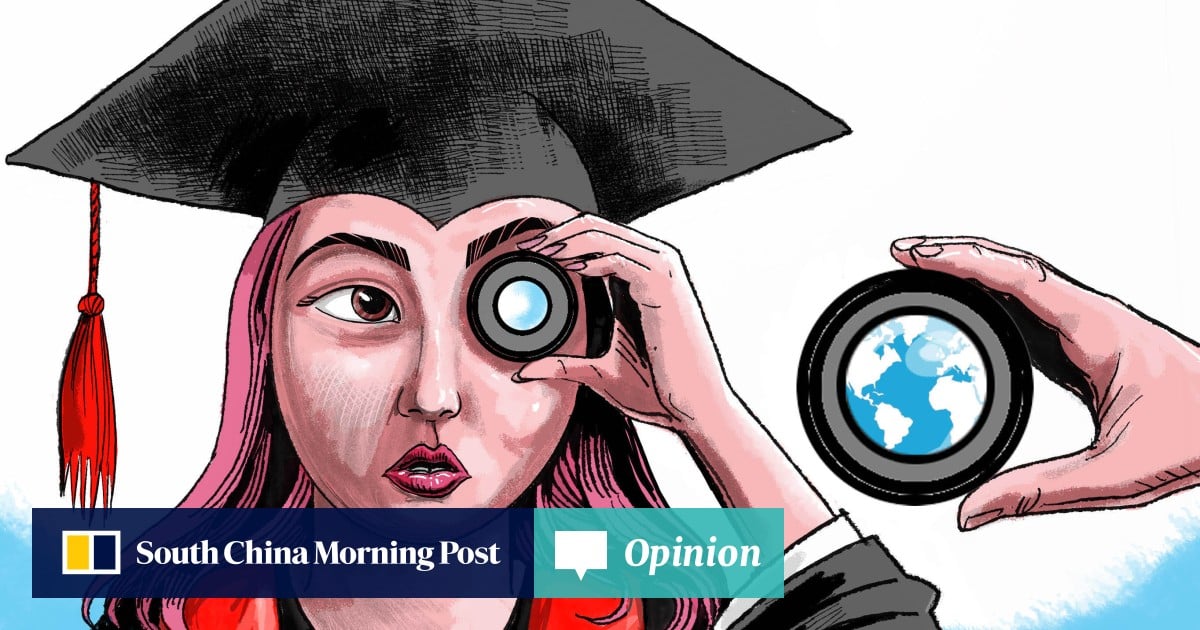
If the sector is to become a robust economic driver for the city, it must look beyond mainland student numbers for growth. Diversification is key
The numbers tell a revealing story. The city’s eight publicly funded universities, once primarily judged by academic output and global rankings, are now generating record income from knowledge transfer. Patents, licensing deals, industry partnerships. These are not side activities. They are becoming core business lines. Universities are no longer just custodians of knowledge. They are active market participants, packaging and monetising it.
On paper, the strategy makes sense. Education exports are a proven economic driver. For Hong Kong, with its limited land and finite industrial base, exporting education seems a logical extension of its service economy. But there is a quiet tension beneath the surface. Who exactly is this “international” strategy built on?
A significant proportion of new enrolments, especially at the postgraduate level, come from mainland China. Hong Kong offers a hybrid experience. It is close enough to home, yet carries an international veneer. Degrees are delivered in English. Campuses feel globally connected.
Source: News - South China Morning Post
