A routine operation at a silver recovery facility in Institute, West Virginia, turned fatal on Wednesday morning, 22 April, when a severe chemical gas leak at the Catalyst Refiners plant left two workers dead and 19 others in urgent need of medical treatment. The incident triggered a large-scale emergency response and prompted officials to order residents within a one‑mile radius to shelter indoors.
Emergency crews converged on the warehouse‑sized facility after a reaction involving nitric acid produced highly toxic hydrogen sulphide gas. Authorities activated an emergency alert system for nearby communities while teams carried out extensive decontamination procedures at the site.
The incident occurred while the team was preparing to close down the industrial site. The crew was going through a routine cleaning process when a chemical reaction occurred without warning.
At the time, workers were handling a combination of nitric acid and a chemical known as M2000A. This mixture led to the rapid creation of hydrogen sulphide, widely recognised as a highly toxic gas.
The reaction caused 'a violent reaction of chemicals, and it instantaneously overreacted,' Commission Emergency Management Director C.W. Sigman said. Highlighting the risks of industrial operations, Sigman later noted that the 'two most dangerous times of a chemical plant's life is start‑up and shut down.'
As first responders arrived at the scene just before 10 a.m., authorities issued a shelter‑in‑place directive for a one‑mile radius surrounding the facility. Nearby schools kept students indoors as a precaution.
Regional traffic was disrupted as officials secured the perimeter to limit public exposure. Route 25 in front of the plant was shut down completely, while nearby Route 60 was briefly closed to allow emergency access.
Residents relied on the automated emergency alert system for updates on the airborne threat. Officials lifted the shelter‑in‑place order about five hours later, once air monitoring indicated conditions were safe.
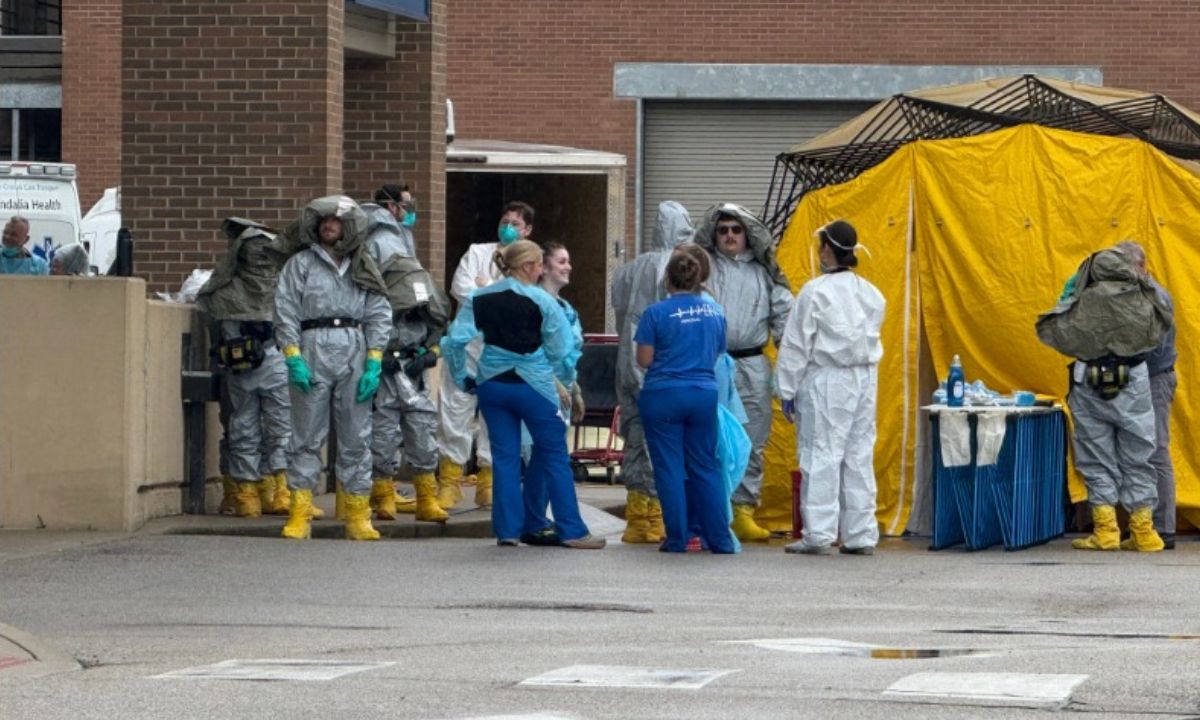
Because of the scale of the emergency, first responders carried out full decontamination on anyone believed to have been exposed to the fumes. The process required affected individuals to remove their clothing and be thoroughly washed down by authorities.
A total of 21 people were taken to hospital, including the two workers who died. The hazardous environment also affected responders, with seven ambulance workers among those injured.
Source: International Business Times UK
