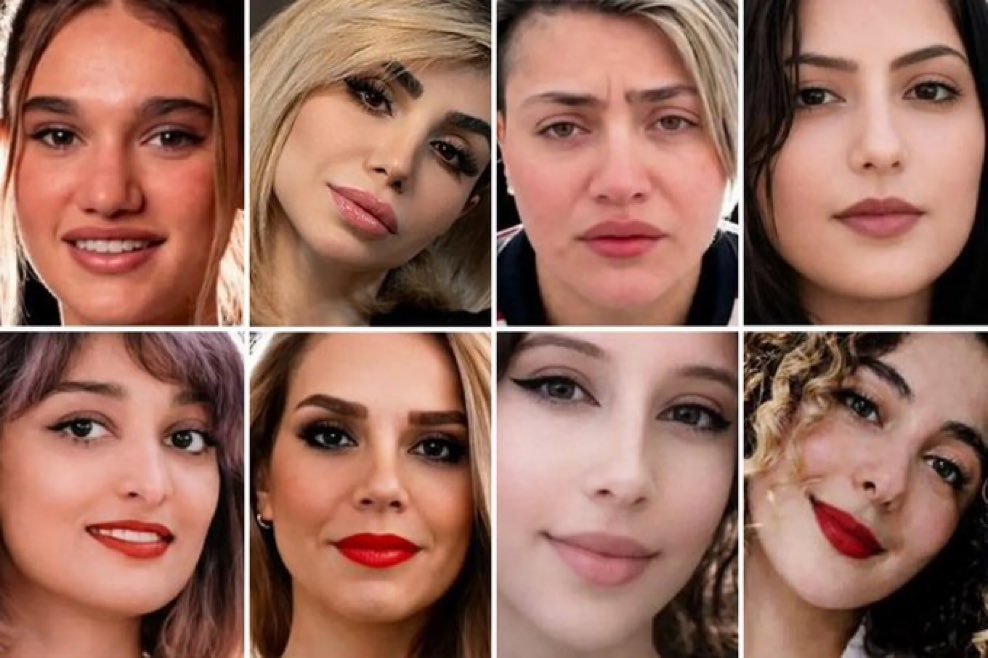
US President Donald Trumphas claimed a breakthrough in a controversial humanitarian appeal involving eight Iranian women, saying they have been 'saved' from execution. The announcement has coincided with new information about the women's identities, drawing global attention to their cases and to a wider crackdown on protesters in Iran.
In a statement this week, Trump said he had been informed that the eight women, who were detained during anti-government protests earlier this year,would no longer face execution. He described the development as a 'great start,' adding that four of the women would be released immediately while the remaining four would receive short prison sentences.
At the centre of the story are theidentities of the womenthemselves, many of whom were previously little known outside activist circles. Human rights groups and advocacy organisations have identified the eight as Bita Hemmati, Diana Taherabadi, Mahboubeh Shabani, Ensieh Nejati, Ghazal Ghalandari, Golnaz Naraghi, Venus Hosseininejad and Panah Movahedi.
Several of their cases have drawn particular concern. Hemmati is believed to have been sentenced to death after being accused of involvement in anti-regime protests, including allegations tied to violence and national security offences. Meanwhile, Taherabadi, who isreportedly just 16 years old, was accused of 'waging war against God,' one of the most serious charges under Iranian law.
🇺🇸🇮🇷 Trump just announced Iran called off the planned execution of 8 women protesters.- 4 will be released immediately- 4 will serve one month in prison- Iran responded directly to Trump's personal request made yesterday ahead of negotiations- Trump says Iran's leaders…https://t.co/I3FmgjwtC9pic.twitter.com/PNEW6FfiSi
Shabani, 33, was reportedly arrested for assisting injured protesters, while Nejati has been described as a Kurdish women's rights activist who had previously faced a death sentence. For others, including Ghalandari and Movahedi, publicly available details remain limited, underscoring the lack of transparency surrounding many protest-related arrests.
Two of the women – Naraghi, a doctor, and Hosseininejad, reportedly a member of the Baha'i faith –had already been released on bail weeks before Trump's intervention, according to rights groups. Their earlier release has complicated claims about the timing and extent of the reported 'rescue'.
Trump's announcement followeda public appealin which he urged Iranian authorities to halt the executions, framing the move as both a humanitarian gesture and a potential step toward easing tensions amidongoing diplomatic negotiations. His statement quickly gained traction, with supporters crediting him for influencing the outcome.
However, officials in Iran have pushed back strongly.The country's judiciary denied that the women were ever scheduled for execution, calling the claims 'fake news' and insisting that some had already been freed. In contrast, others faced lesser charges that would not result in death sentences.
The conflicting narratives have left the situation unclear. While Trump has portrayed the outcome as a successful intervention, human rights organisations sayat least some of the women were indeed at risk, pointing to a broader pattern of harsh punishments tied to the nationwide protests that erupted earlier this year.
Source: International Business Times UK
