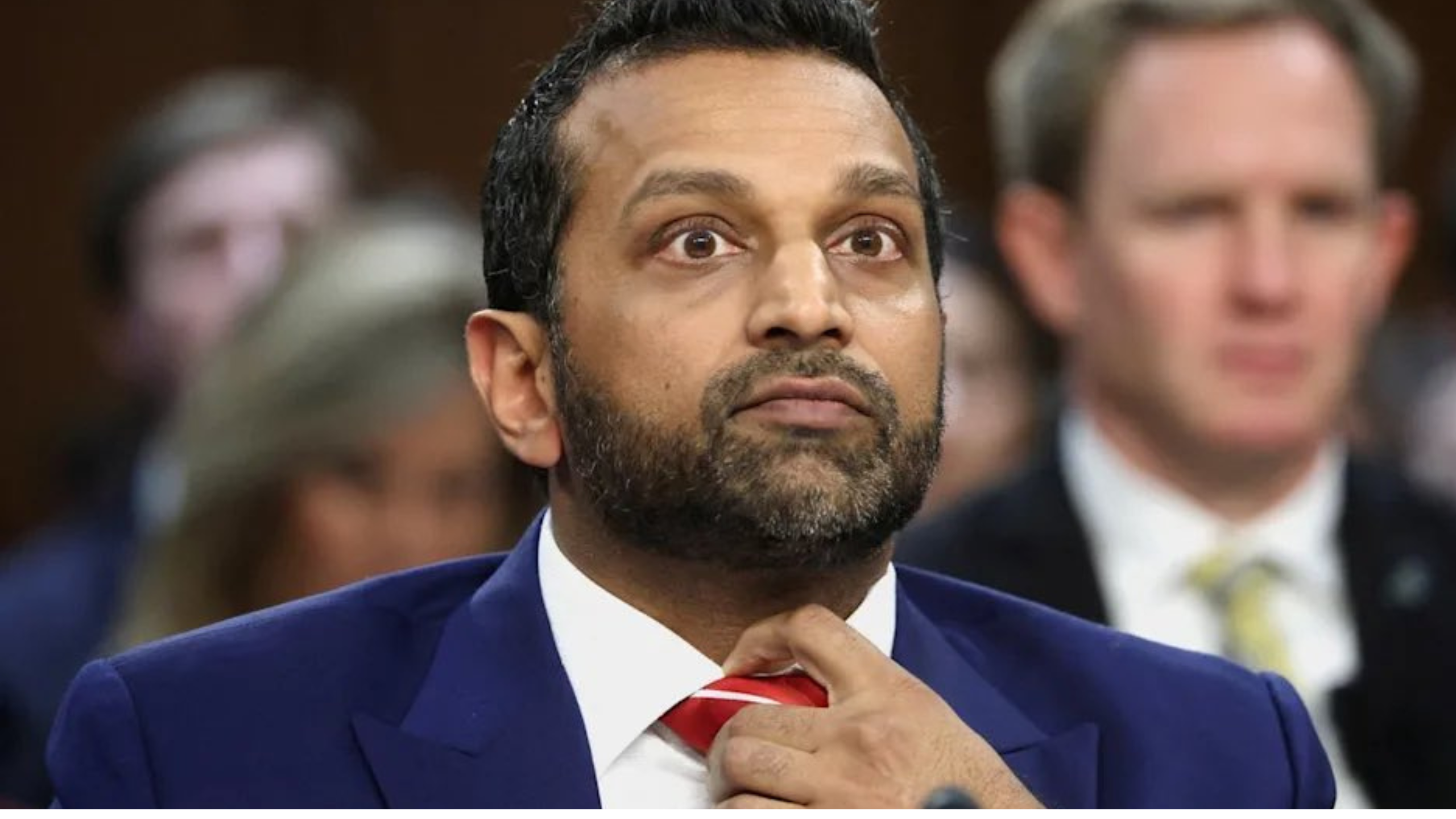
A US federal judge has dismissed Kash Patel's defamation lawsuit, delivering a significant legal setback that halts his attempt to publicly clear his name.
The ruling ends Patel's case against former FBI official Frank Figliuzzi, whom Patel accused of making defamatory claims during a television appearance. The court found that the statements at issue did not meet the legal threshold for defamation, effectively closing the case at an early stage. The decision underscores the high bar public figures must meet when pursuing defamation claims under US law.
The dismissal also carries broader implications for political and media speech, particularly where commentary intersects with opinion and interpretation rather than verifiable fact.
The lawsuit stemmed from comments made by Frank Figliuzzi, a former FBI assistant director, during a broadcast in which he referenced Patel in connection with controversial political narratives. Patel, who has served in senior national security roles and was later appointed FBI Director, alleged that the remarks damaged his reputation and were presented as factual assertions rather than opinion.
According to court filings, Patel argued that the statements were false and defamatory, and that they caused reputational harm. He sought damages and a legal declaration that the claims were untrue. His complaint centred on the assertion that Figliuzzi's remarks implied misconduct or associations that Patel denies.
However, the judge ruled that the statements fell within the bounds of protected speech. In dismissing the case, the court found that the comments were either opinion-based or insufficiently specific to constitute actionable defamation. The ruling emphasised that, under US constitutional standards, speech concerning public figures is afforded wide latitude, particularly when it involves interpretation or commentary on public events.
The case was dismissed at the motion to dismiss stage, meaning the court concluded that, even if Patel's allegations were taken as true, they did not meet the legal standard required to proceed to trial.
Kash Patel's defamation lawsuit against a former FBI official dismissed.Details:https://t.co/lQQLzfT7ijpic.twitter.com/zWRwWi9QRT
The decision reflects longstanding principles established by the US Supreme Court, particularly the requirement that public figures must prove 'actual malice' in defamation cases. This standard, derived fromNew York Times Co. v. Sullivan, requires plaintiffs to demonstrate that the defendant either knew the statement was false or acted with reckless disregard for the truth.
In its analysis, the court determined that Patel had not sufficiently alleged facts demonstrating actual malice. The ruling noted that the contested statements were made in a context that suggested interpretation or speculation, rather than definitive factual claims.
Source: International Business Times UK
