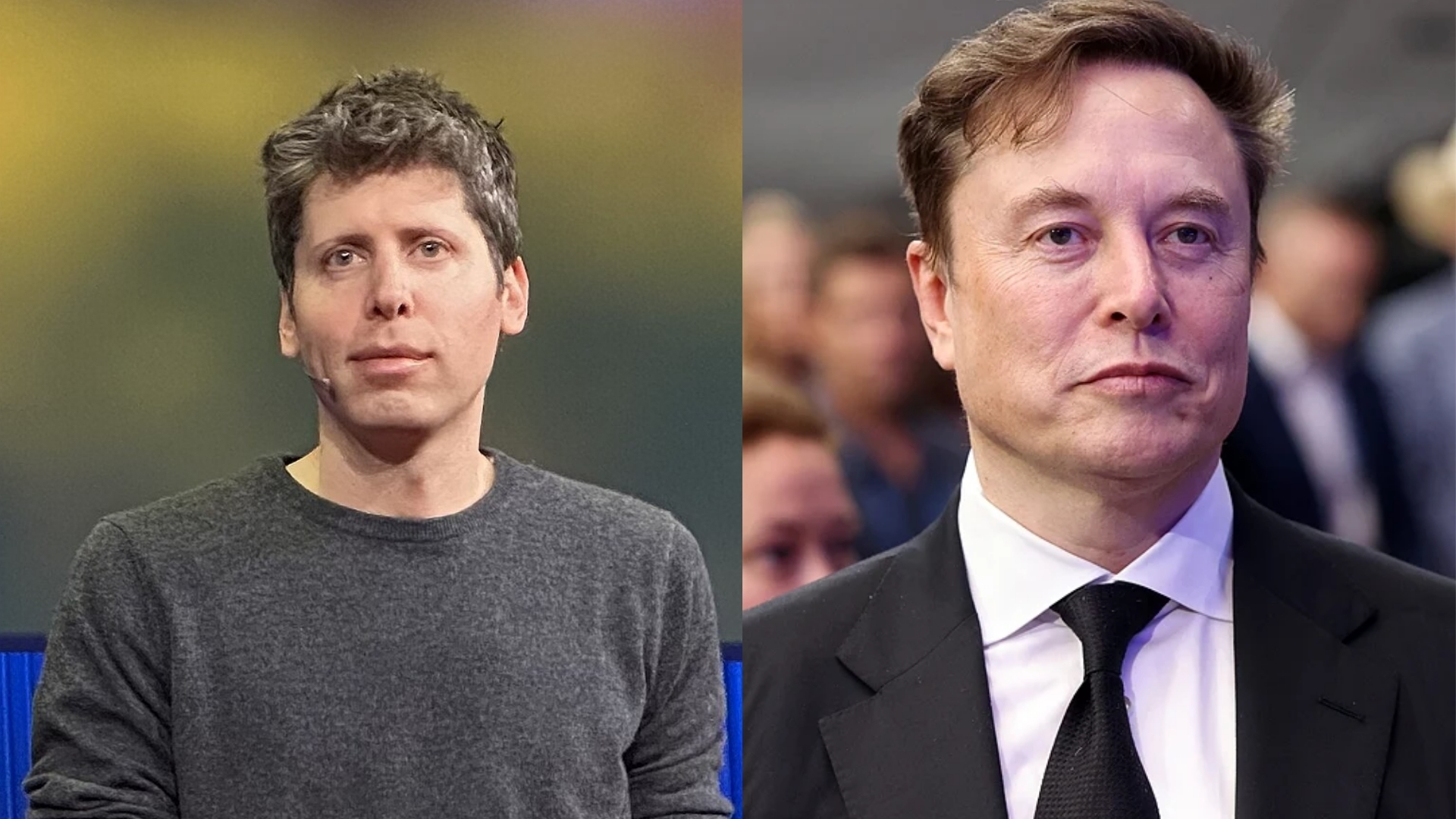
OpenAI CEO Sam Altman said in a podcast calledCore Memorythat he is worriedElon Musk might drop his lawsuit against OpenAIbefore it goes to court. The comment was made during an interview with OpenAI president Greg Brockman, as they discussed the company's history and future. The concern stems from a long-running legal dispute between Musk and OpenAI over its structure and whether it should have remained a non-profit.
Sam Altman said today that he’s concerned@elonmuskwill drop his lawsuit. Sam is cooked and he knows it.The lawsuit raises a foundational point: In America, you cannot convert a non-profit into a for-profit corporation.If a court allowed it, non-profits across the country…pic.twitter.com/Sb3DoxRAjo
The interview marked a rare joint appearance in which bothOpenAI co-foundersreflected on the company's past decade. While most of the conversation focused on AI technology and future plans, discussion briefly turned toMusk's legal caseand its possible outcome.
The lawsuit centres on whether a non-profit organisation can transition into a for-profit company.
Musk argues that OpenAI shifted away from its original mission as set out at its founding. OpenAI, however, has moved towards a structure that allows it to raise substantial funding and develop costly artificial intelligence systems, which is difficult under a strict non-profit model.
In the podcast, Altman said he was worried Musk might 'drop the lawsuit before it gets to court.' No further explanation was given for the remark, but it stood out as the case remains ongoing and could influence how similar organisations are structured in future.
A ruling in Musk's favour could lead to significant changes for non-profits more broadly. Concerns have been raised that organisations could potentially raise funds as charities before later converting into profit-making companies. Supporters of Musk's position argue that such a shift would undermine the purpose of non-profit entities.
If Elon Musk were to win his lawsuit and a court agreed with his interpretation, it would likely tighten rules governing how non-profit organisations in the US can change direction. In simple terms, it would make it harder for a non-profit to raise money under a public-benefit mission and later shift into a for-profit company without facing legal consequences.
Organisations could still evolve, but they would face stricter rules and closer scrutiny if they attempted to restructure in a way that benefits private investors. It could also require companies to separate activities rather than fully converting, for example by maintaining a non-profit arm while spinning off a separate commercial business.
On the positive side, it could reinforce confidence that donations and tax-free funding given to non-profits remain tied to public service rather than later private profit.
Source: International Business Times UK
