European airlines are cutting flights ahead of the busy summer travel season as fuel prices continue to soar as the the question of whether the Strait of Hormuz is open remains in flux.
According to The Guardian,German flag-carrier Lufthansa is slashing flights before the summer.
In a statement, 'In total, 20,000 short-haul flights will be removed from the schedule through October, equivalent to approximately 40,000 metric tonnes of jet fuel, the price of which has doubled since the outbreak of the Iran conflict.'
According to the BBC, 'The biggest impact on ticket prices has been felt on routes between Europe and East Asia, the report says. A flight from London to Melbourne in June now costs 76% more than last year, while the price of a flight from Hong Kong to London has gone up by 72%.'
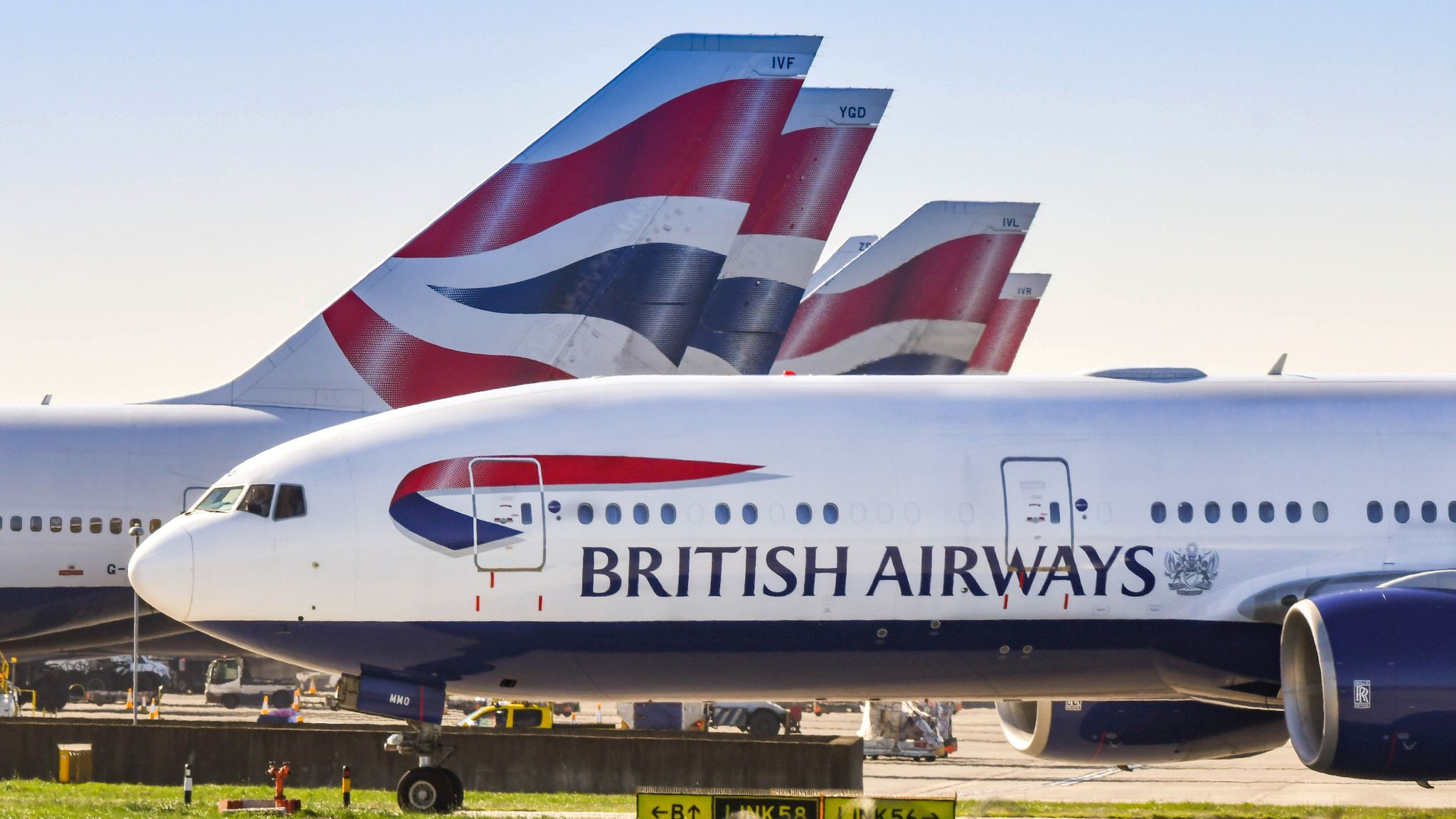
'The full list of demands has emerged in a briefing document, first reported by ITV News, prepared by the trade body Airlines UK on behalf of carriers including British Airways easyJet, Ryanair, Virgin, TUI and Jet2.'
Some of the requests brought on by Airlines Uk are 'restrictions on night flights to be eased and rules on the allocation of take-off and landing slots at busy airports to be relaxed. This would prevent airlines losing valuable slots if they were unable to operate services.'
Jet fuel prices have soared from about $85-$90 per barrel to $150-$200 per barrel since the start of the war at the end of February. Fuel makes up roughly 25% of operating costs for the airlines.
A spokesperson for Airlines UK said, 'Airlines continue to operate normally and are not experiencing issues with jet fuel supply but as you would expect we remain in close contact with the Department for Transport given the current external environment.'
'It is vital that government take the right actions now to ensure the continuation of supply, as well as support the UK aviation industry, which has been impacted by record high jet fuel prices, and that includes providing additional flexibility,' the statement continued.
They added, 'Additional flexibility, should it be needed, would enable airlines to operate most efficiently to minimise any disruption to customers and maintain long-established global networks.'
Source: International Business Times UK
