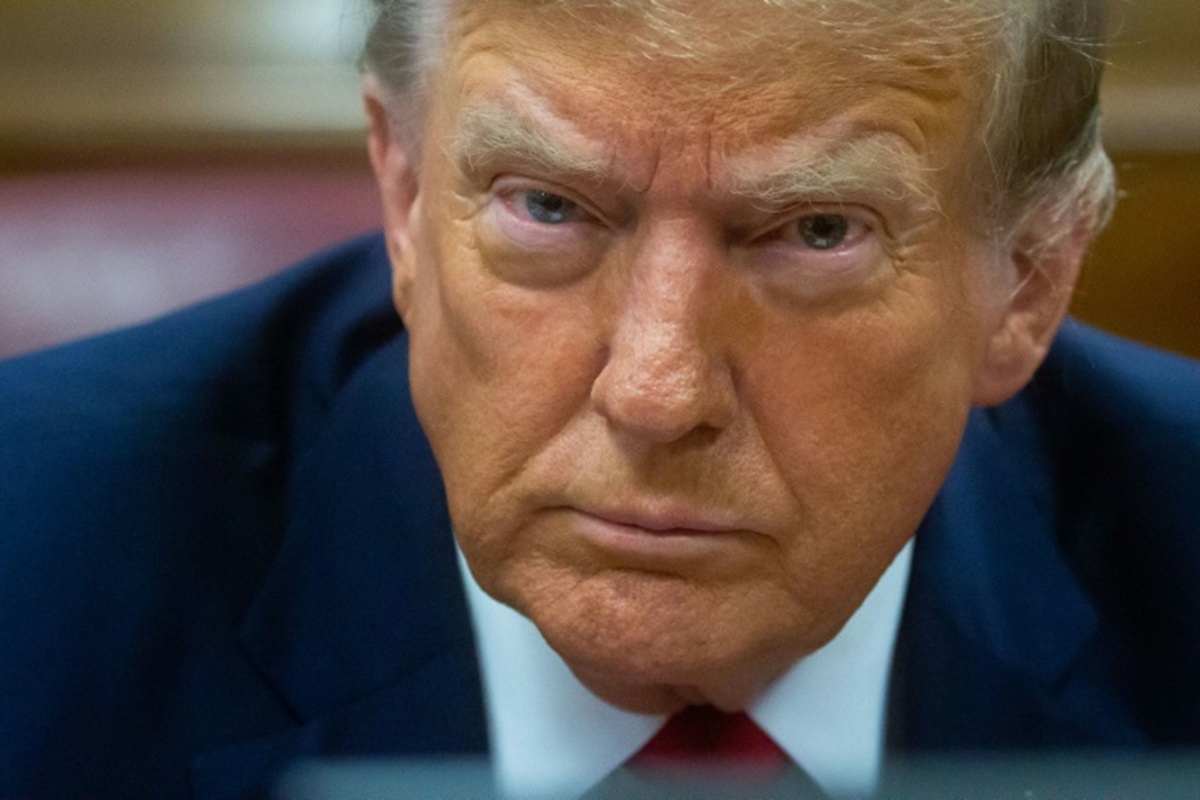
A viral claim thatUS President Donald Trumpattempted to use US nuclear codes during a White House meeting has prompted scrutiny of how nuclear launch decisions are made and what checks exist on presidential authority.
The claim originated from comments byformer CIA officer Larry Johnsonduring an April 2026podcast interview, in which he described an alleged confrontation involving US nuclear authority. It has not been independently verified, and a White House spokesperson toldNewsweekthe claim was false.
No official sources have confirmed that nuclear launch procedures were discussed during recent Iran-related meetings, and lawmakers have expressed scepticism about the account.
Johnson alleged that a meeting on the Iran crisis became confrontational, witha senior military official resisting a presidential directiveinvolving nuclear weapons.
However,Newsweekreported that there isno corroborating evidence. Footage referenced in the podcast does not establish context, and officials have not confirmed that any such exchange took place.
Larry Johnson - a retired CIA analyst - claimed Trump tried to access nuclear codes but was stopped by the chairman of the Joint Chiefs of Staff.https://t.co/SWe0chTcYo
The central assertion, that a military leader could refuse a nuclear order, conflicts with established US protocol.
Under current US policy, the president has sole authority to authorise the use of nuclear weapons.
According to theCongressional Research Service, this authority stems from the president's constitutional role as commander-in-chief. Military advisers may provide input, but their approval is not required.
If a decision is made, the order is transmitted through the nuclear command system using secure communications. The president authenticates the order using personal identification codes, often referred to as the 'biscuit', and communicates it via the 'nuclear football'.
Source: International Business Times UK
