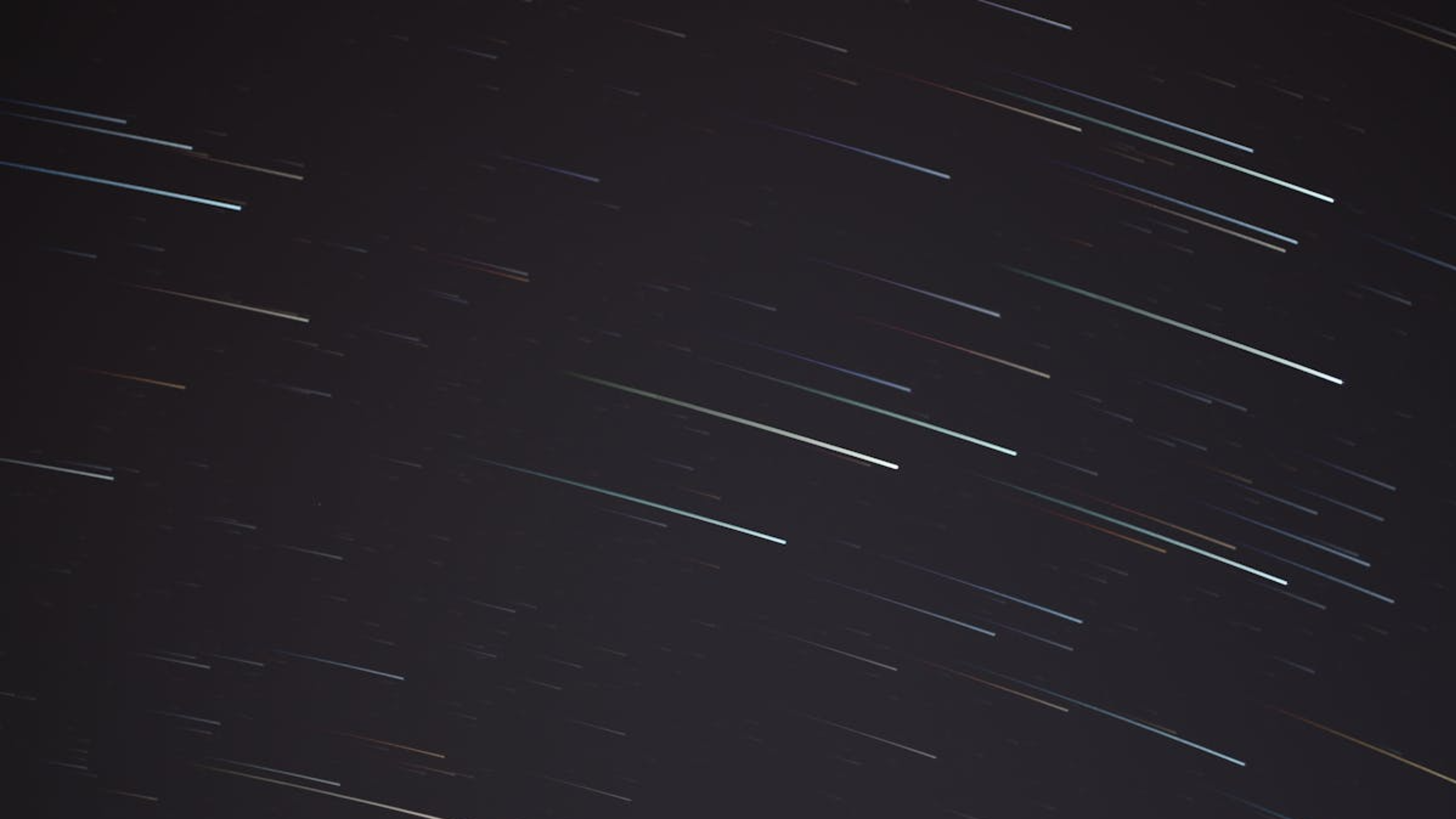
With clear skies over the coming nights, there is a strong chance to witness one of the year's most spectacular celestial events: the Lyrid meteor shower. This annual display, which has been observed for nearly three thousand years, offers a rare opportunity for skywatchers to see shooting stars streak across the night sky. The best time to view it is expected to be the night of 22 April, with peak activity likely to be at its highest.
The Lyrid meteor showerreturns each year between 16 and 25 April, with its dazzling peak usually falling around 22 April. It's caused by Earth drifting through a trail of dusty debris left behind by Comet Thatcher, which takes about 415 years to orbit the Sun. As we pass through this cosmic clutter, tiny particles race into our atmosphere and burn up, creating bright streaks of light across the night sky. The display takes its name from the constellation Lyra, the point from which the meteors seem to appear.
The meteors come in all sorts of brightness and colour, with some flashing vivid shades as tiny bits of dust react with gases high in the atmosphere. Every now and then, you might spot afireball: a brilliantly bright meteor that can outshine even Venus. These dramatic streaks happen when slightly larger fragments, about the size of a grape or acorn, hit the atmosphere and flare brightly, often leaving a glowing trail behind. They don't appear all that often, but when they do, they're easily the highlight of the show.
The forecast for the upcoming nights indicates ideal conditions for observing the Lyrids. With high pressure dominating the weather, there is very little cloud in the forecast across most parts of the United Kingdom. According tothe Royal Museums Greenwich, the peak of the shower will occur on 22 April, two days before theFirst Quarter Moon, which means that moonlight will not significantly interfere with viewing. This is fortunate, as moonlight can often wash out fainter meteors.
On the night of 22 April, most areas will experience clear skies starting from early evening. Temperatures are expected to drop quickly after sunset, making it chilly, so warm clothing is advisable. The best viewing window is after 22:00 BST, once darkness settles in sufficiently.
During the early hours of 23 April, the weather is also favourable with continued clear skies across much of the UK. However, residents in eastern Scotland and eastern England should note that some cloud may move in during the early hours of Friday morning, potentially reducing visibility.
To enhance your viewing experience, find a dark spot away from bright street lighting. It is better to allow your eyes to adjust to the darkness for about 20 minutes. The meteors will appear to radiate from Lyra, but they can be seen across the sky. Patience is key, as the shower can produce between 10 and 15 meteors an hour, with occasional surges that could bring up to 100 meteors in just one hour.
As the shower peaks, the best time to watch is after it gets dark. Look towards the constellation Lyra, but remember that meteors can appear anywhere in the sky. The display should continue into the early hours of 23 April and beyond, with similar favourable conditions expected the following night.
The Lyrid meteor shower has been lighting up the skies for nearly 3,000 years. In fact, Chinese astronomers were already writing about it as far back as 1000 BCE. Despite that long history, the display is tied to Comet Thatcher, which last swept past the Sun in 1986. Its orbit is incredibly long, so it won't be back until 2283, making the Lyrids a rare treat, linked to a comet most people will only ever 'see' through these fleeting streaks of light.
Source: International Business Times UK
