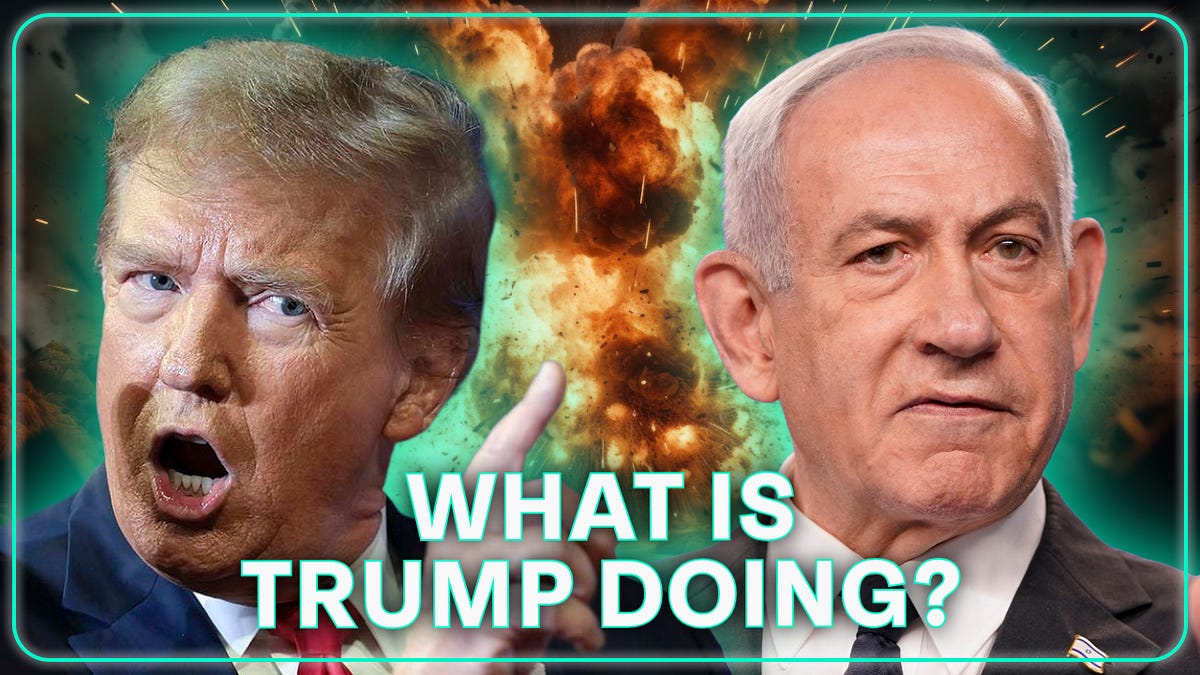
Last Friday, President Trump posteda series of announcements on Truth Social, claiming that Iran had given him everything he wanted in exchange for nothing. The Presidentassertedthat Iran had agreed to hand over what he called their “nuclear dust” (the enriched uranium buried under ground from last June’s American air attack); tostop fundingHezbollah and Hamas; andto openthe Strait of Hormuz and never close it again. Many of Trump’s pro-war supporters declared victory, reveling in their triumphalism.
While that was a feel-good story, there were many obvious problems with it, starting with the fact that Iran never confirmed any of it and would never realistically surrender, given its perception of the massive leverage it continues to possess. Sure enough, Iran later that day denied having agreed to anything beyond opening the Strait during the cease-fire negotiations. But after Israel continued to bomb Lebanon, despite Trump’s announcement that he had “PROHIBITED” Israel from doing so, which he followed by announcing a full military blockade of the Strait to prevent Iran from selling oil, it was clear that a deal to end the war was very far away.
During his flurry of victory claims, Trump set Wednesday — tomorrow — as the deadline for Iran to agree to a comprehensive deal, after which he said he would begin obliterating the country. He announced that he was sending Jared Kushner and Steve Witkoff (with J.D. Vance being added later) to Islamabad to meet with the Iranians. In response, Iran announced that it would refuse to attend any negotiations while the U.S. was blockading the Strait. As a result, Trump’s deadline will come and go tomorrow, presumably without a deal.
As he has done before, Trump’s response to the lapse of his deadline is not to follow through on his threats (thankfully), but instead toannounce an extensionof the deadline. Today, he did exactly that, though notably, his extension came without any new deadline: it is just an indefinite suspension of hostilities pending an agreement. All of this raises a question that has lurked since the start of this: what is the purpose of this war, and how can it end? We examine those questions in the above 30-minute video.
Source: Glenn Greenwald
