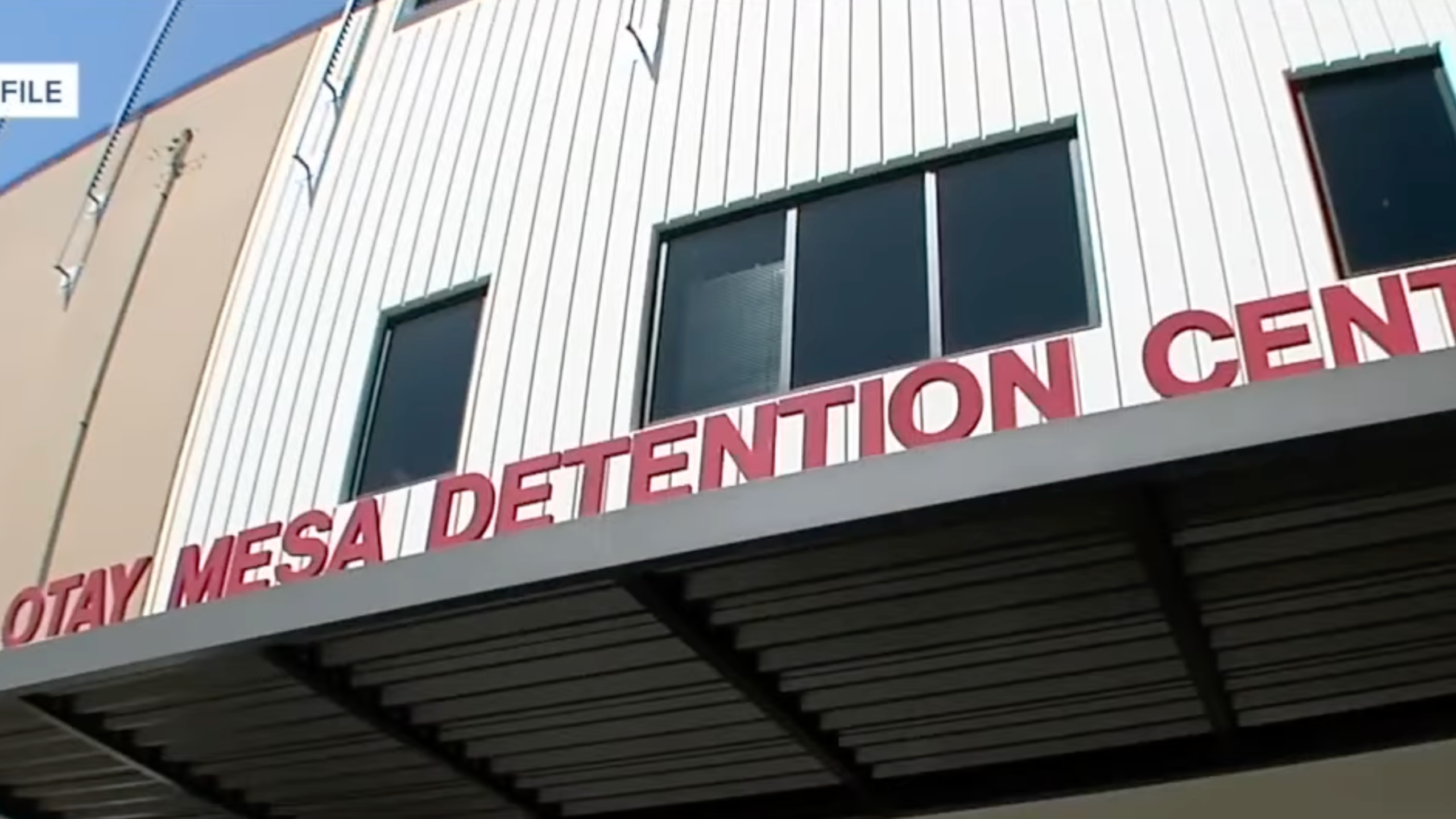
The chain‑link fence was already in place. But this summer, there was something new about the camp on the edge of rural Louisiana: rows of white canvas tents, each tall enough for a grown adult to stand upright, stretched as far as the eye could see.
It wasn't a festival site. It wasn't emergency housing. What was emerging, according to internal Department of Homeland Security (DHS) planning documents, looked like the next generation ofimmigration detentioncentres — built fast, at scale, and with little public scrutiny.
For a nation long divided over how to manage its borders, the idea that such facilities could sprout in warehouses and fields with little legislative oversight has unsettled advocates,human rightslawyers and lawmakers alike. What cannot be ignored is the mechanism at the heart of it all: a £44bn ($55bn) US Navy contract.
According toCommon Dreams, it wasn't meant to be this way.
The Worldwide Expeditionary Multiple Award Contract (WEXMAC) was originally a logistics tool designed to help the Navy move equipment quickly for overseas missions. It was never intended to build domestic holding facilities. Yet DHS has quietly expanded the contract's ceiling from about £8bn ($10bn) to roughly £44bn ($55bn).
That gargantuan shift has turned a military procurement vehicle into a kind of blank‑cheque authorisation. Through WEXMAC's 'task order' process, DHS can now commission construction and conversion of sites without the usual competitive bidding or public visibility. Imagine a spreadsheet where a navy supply contract suddenly doubles, triples and then no one is quite sure who signed off.
According to sources familiar with internal strategy, some detention facilities could accommodate up to 10,000 people at a time. There are plans for a mix of hardened structures and soft‑sidedtent cities in states like Louisiana, Georgia and Pennsylvania. When the outline of such sites was leaked earlier this year, it prompted immediate alarm among rights groups — not just for the scale, but for the secrecy.
There's a long, documented history of mistreatment within existingimmigration detentioncentres in the United States.
A 2025 Human Rights Watch investigation into facilities inFloridadescribed systemic neglect: detainees denied basic hygiene, crowded dormitories where personal space was non‑existent, inadequate medical care and treatment that crossed into degrading behaviour. Previous oversight reports — some court‑mandated — revealed negligent medical practice, racist abuse and inappropriate use of force.
One court ordered supervision at California's largest ICE facility after severe medical neglect came to light. In that case, people with diabetes were reportedly denied insulin and others with serious conditions were left untreated. In the background of all this, habeas corpus petitions are surging, as detainees increasingly challenge the legality of their confinement.
Source: International Business Times UK