Women entrepreneurs across sub-Saharan Africa account for a significant share of business ownership, yet few are able to scale into mid-sized or large enterprises. While the challenge is often framed as a skills gap, evidence increasingly points to a different issue: the absence of leadership and financial infrastructure that connects women founders to capital, corporate networks, and decision-making power.
This structural gap has persisted despite decades of donor-funded training programs. According to multiple development studies, women-led businesses continue to receive a disproportionately small share of investment capital and remain underrepresented in executive leadership across the region.
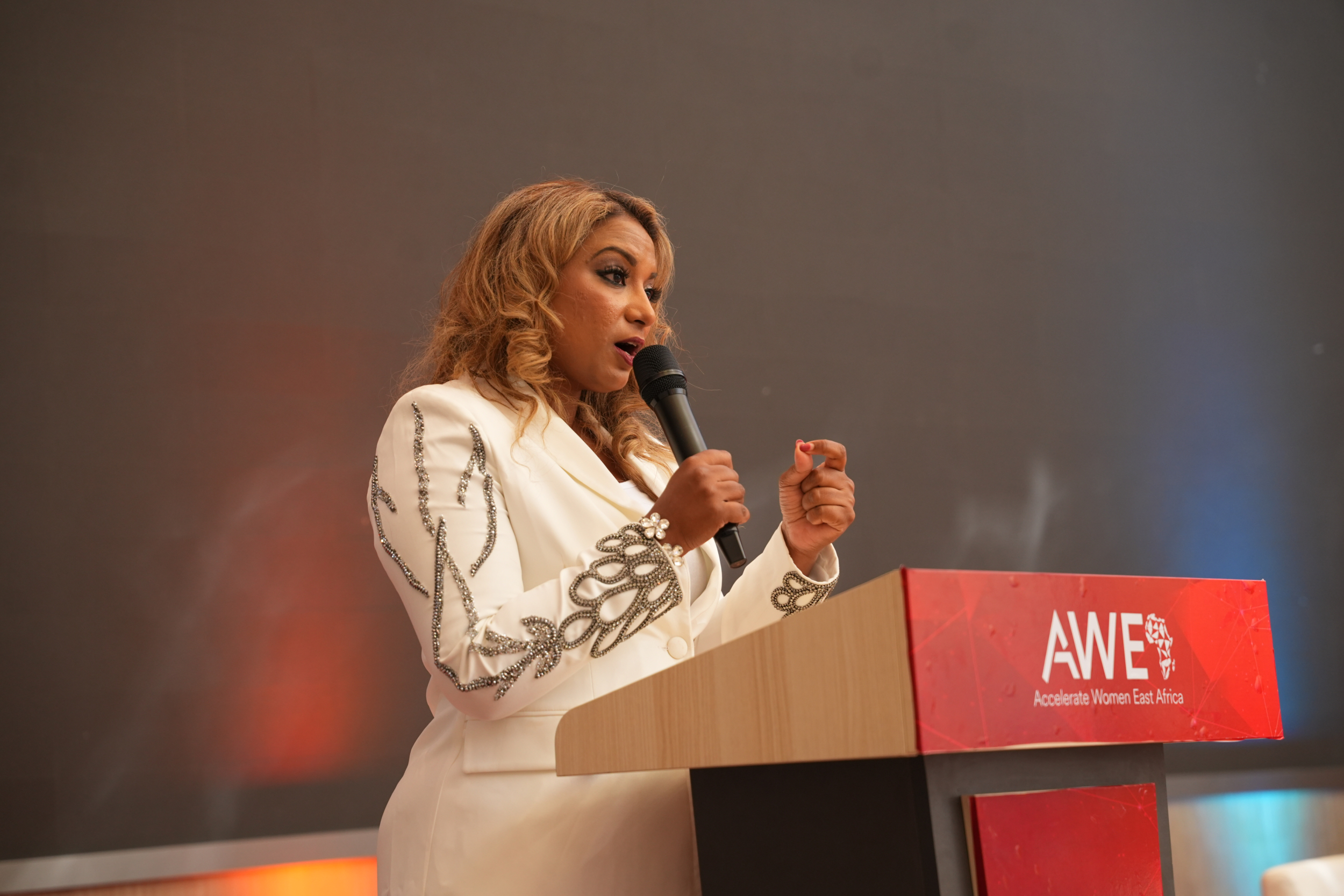
Bernice Fernandes, a Tanzanian management consultant and entrepreneur, is attempting to address this imbalance by building what she describes as ecosystem-level infrastructure rather than isolated interventions.
Fernandes is the founder of Accelerate Women, a leadership and entrepreneurship platform designed to integrate women founders into financial, corporate, and policy ecosystems. Her approach departs from conventional entrepreneurship programs that focus primarily on short-term skills development.
'Training alone does not change outcomes when access remains restricted. The real constraint is exclusion from capital markets, governance systems, and influential networks.'
Fernandes holds three business degrees from U.S. institutions, including an MBA in Entrepreneurship, and began her career at Wells Fargo Bank and PwC. After returning to Tanzania in 2017, she spent several years consulting across East Africa and the United States, where she observed consistent barriers facing women-led enterprises: limited access to finance, weak governance structures, and minimal exposure to investors and corporate partners.
These observations informed the Accelerate Women model.
Women own an estimated58% of businesses in Africa, yet they remain significantly underrepresented in senior leadership and investment pipelines. In East Africa, executive roles continue to be dominated by men. In Kenya, for example, surveys indicate that approximatelytwo-thirds of CEO and managing director positionsare held by men, reinforcing network-based barriers to capital and partnerships.
As a result, women entrepreneurs with viable business models often operate in isolation, relying on personal savings or informal financing while remaining disconnected from institutional capital.
Accelerate Women was designed to address this systemic failure by creating direct pathways between women founders and financial institutions, investors, and policymakers.
Source: International Business Times UK
