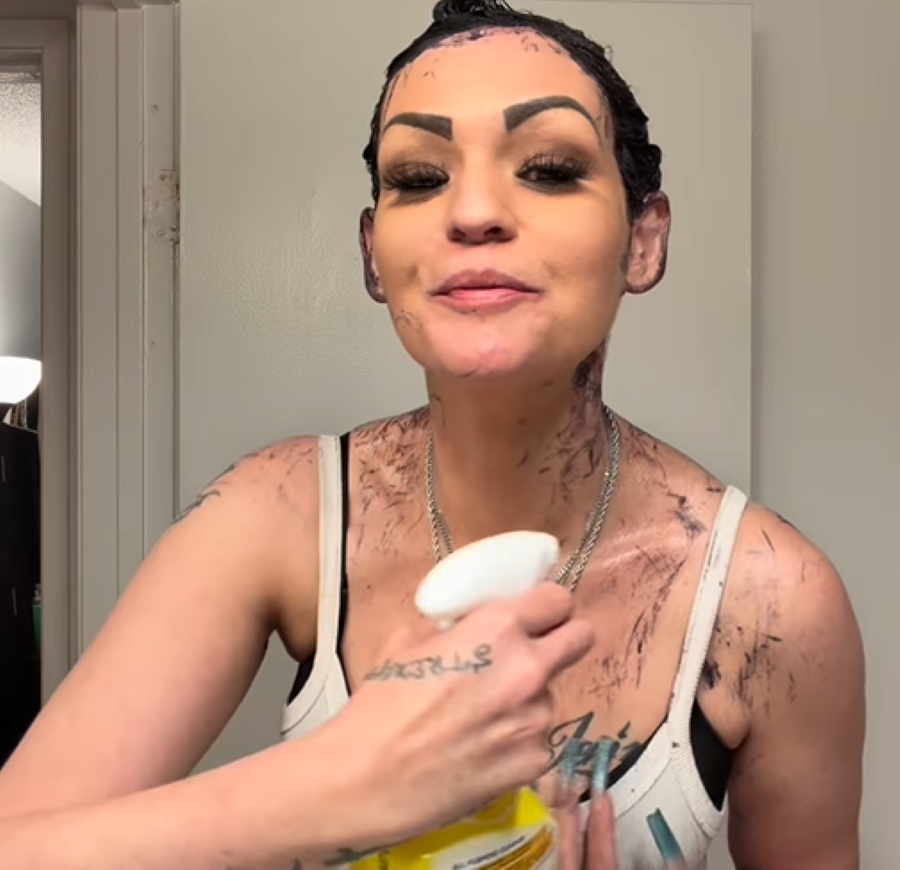
Lysol has issued an urgent safety intervention after a viral video showed a woman applying household cleaning spray directly to her skin. The manufacturer, Reckitt, took the rare step of publicly contacting the content creator following a wave of alarm from health experts and viewers.
The video, shared via Instagram postsincludingthis clipand afollow-up post, shows the user treating a multi-purpose disinfectant as a personal care product, triggeringa wider conversation about the viral Instagram health hazard posed by unregulated social media trends.
While the creator may have intended the clip as satire, the brand was quick to clarify that its products are strictly for use on non-porous surfaces and never for human application.
The controversy began when theKrista Whitney Lysol videostarted circulating across Instagram and other social platforms. In the clip, the creator appears to use the disinfectant spray as part of a personal routine, implying it serves as an all-purpose solution.
The brand's response was swift and direct. Writing from the official Lysol account, the company stated: '... Lysol products should only be used as directed on the label and should not be used on the skin. We'd also like the opportunity to speak with you personally about your usage here.'
This direct engagement highlights the company's concern regarding household chemical misuse on public platforms. Reckitt has a history of proactive communication when its products are used incorrectly, most notably during the 2020 public health crisis. The company maintains that its disinfectants must never be ingested, injected, or applied to the body.
In one widely cited warning, the company said: 'As a global leader in health and hygiene products, we must be clear that under no circumstance should our disinfectant products be administered into the human body (through injection, ingestion or any other route).'
The dangers of such a trend stem from the product'schemical composition. According to the officialsafety sheet for Lysol disinfectant sprays, these sprays are formulated with ethanol and other potent antimicrobial agents. A primary concern for health officials is the safety of quaternary ammonium compounds, which are designed to break down organic matter on hard surfaces. When they come into contact with human tissue, they can cause redness, burning sensations, and dermatitis.
The safety documentation explicitly instructs you to 'avoid contact with eyes, skin, and clothing'. Because these products are volatile, there is also a risk of respiratory irritation if they are sprayed too close to the face. Applying a multi-purpose disinfectant safety protocol means ensuring the area is well-ventilated and that the product only comes into contact with the intended target, such as a countertop or door handle.
This incident is part of a broader, more troubling pattern where entertainment-focused content blurs the line with medical or safety advice. When a cleaning spray viral trend gains traction, it can influence younger or less experienced viewers to mimic the behaviour. Public health experts note that the skin is a semi-permeable organ, and coating it in industrial-grade disinfectants can lead to systemic absorption of harmful ingredients.
Source: International Business Times UK
