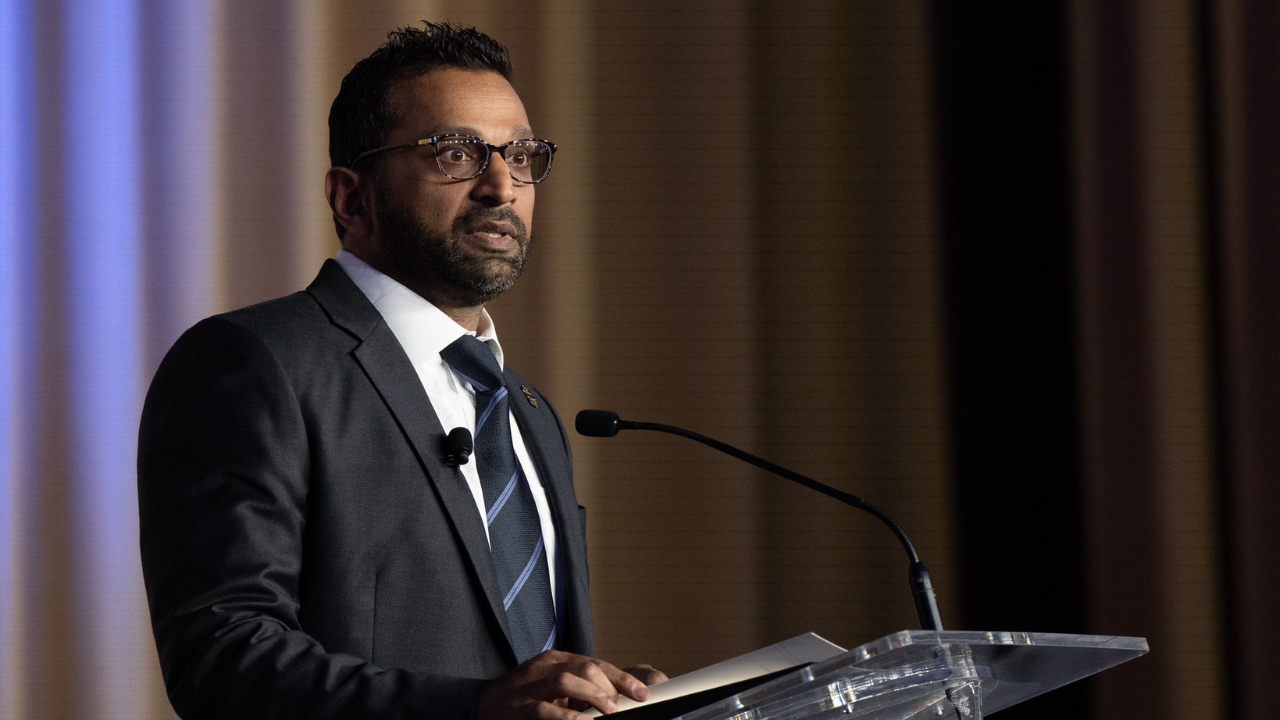
FBI Director Kash Patel has threatened legal action againstThe Atlanticfollowing a report alleging excessive drinking, unexplained absences, and erratic behaviour within the Federal Bureau of Investigation leadership.
Patel rejected the claims in strong terms, calling the reporting 'false' and accusing the publication of publishing 'fake news' as tensions grow around his leadership of the bureau.
Patel responded publicly on X, stating: 'See you and your entire entourage of false reporting in court... But do keep at it with the fake news, actual malice standard is now what some would call a legal lay up.'
see you and your entire entourage of false reporting in court... But do keep at it with the fake news, actual malice standard is now what some would call a legal lay up.https://t.co/MfbHH8OtLvpic.twitter.com/kw5U3LrfMM
The FBI, in a statement attributed to Patel, also denied the allegations, adding: 'Print it, all false, I'll see you in court – bring your checkbook.'
The comments came afterThe Atlanticpublished a detailed report questioning Patel's conduct and leadership, citing multiple unnamed current and former officials.
The article alleges that Patel has been repeatedly linked to episodes of excessive alcohol consumption in private social settings, as well as periods where he was difficult to reach during working hours. It further claims that some officials have raised concerns about his reliability in managing senior FBI responsibilities.
According to the report, Patel has also been absent or delayed in responding to time-sensitive matters on multiple occasions, contributing to internal frustration among some bureau personnel.
These claims have not been independently verified by other media organisations, and the White House has strongly defended Patel's performance.
A key episode highlighted in the report occurred on 10 April, when Patel allegedly experienced an internal systems access issue. Sources cited byThe Atlanticsaid he briefly believed he had been removed from his position and contacted aides in a state of panic.
Source: International Business Times UK
